Muslim Traveler FAQ — Everything You Need to Know About Visiting Korea as a Muslim in 2026
Muslim Traveler FAQ — Every Question Answered About Visiting Korea as a Muslim Traveler in 2026
This is the single most comprehensive list of questions Muslim travelers ask about visiting Korea, answered in one place with direct links to detailed guides for every topic. Whether you are planning your first trip to Seoul, already booked your flight and need to prepare, or are already in Korea and have an urgent question about halal food, prayer spaces, qibla direction, or cultural norms — this master FAQ connects you to the exact answer you need. Each question below is drawn from real search queries that Muslim travelers type into Google, and each answer is linked to a complete in-depth guide on this site that covers the topic with addresses, maps, prices, and practical tips. Bookmark this page — it is your table of contents for everything related to Muslim life in Korea.
Before You Travel — Planning and Preparation Questions
Is South Korea safe for Muslim travelers?
Yes. South Korea is one of the safest countries in the world for all travelers, including Muslims. Crime rates are extremely low, violent crime against tourists is virtually nonexistent, and Korean society is generally tolerant and respectful of religious diversity. There are no anti-Muslim laws, no restrictions on Islamic worship, and no areas in Seoul or other Korean cities where Muslims would feel unwelcome. Korean people may ask curious questions about Islam, halal food, or hijab, but this curiosity comes from genuine interest rather than hostility. The practical challenges of being Muslim in Korea are about finding halal food and prayer spaces — not about safety or discrimination.
Do I need a visa to visit Korea as a Muslim traveler?
Visa requirements depend on your nationality, not your religion. Citizens of many Muslim-majority countries including Indonesia, Malaysia, Turkey, and the UAE can enter South Korea visa-free for stays of 30 to 90 days depending on bilateral agreements. Citizens of Pakistan, Bangladesh, Egypt, and some other Muslim-majority countries require a tourist visa (C-3) obtained in advance from a Korean embassy or consulate. Check the Korean Ministry of Foreign Affairs website for the most current visa requirements for your specific passport.
What is the best time of year to visit Korea as a Muslim traveler?
The best time to visit depends on your priorities. Spring (April to May) and autumn (September to November) offer the most pleasant weather with mild temperatures ideal for exploring Seoul on foot. If you want to experience Ramadan in Korea, check the Islamic calendar — Ramadan 2026 falls approximately from February 18 to March 19, which is late winter in Seoul with moderate fasting hours of 12 to 13 hours per day. Summer (July to August) is hot and humid, while winter (December to February) is cold and dry. The qibla direction from Seoul is approximately 252 degrees southwest year-round.
What apps should I download before arriving in Korea?
Download these essential apps before your flight lands at Incheon Airport:
- Naver Map: Google Maps has very limited functionality in Korea — Naver Map is the primary navigation app with accurate walking directions, real-time transit information, and restaurant location data
- Papago: Naver’s translation app that lets you photograph Korean text (menus, ingredient labels, signs) and instantly translate to English — essential for checking whether food contains pork
- Muslim Pro or Athan: Accurate prayer times, adhan notifications, and qibla compass for Seoul (qibla direction: approximately 252 degrees southwest)
- Wowpass: Prepaid transit and payment card app that works on all Korean public transport and at most shops and restaurants
- Baemin (Woowa Brothers): Korea’s most popular food delivery app — search for halal restaurants near your location for delivery to your hotel
Halal Food Questions — The Most Asked Topic by Muslim Travelers
Is halal food available in Korea?
Yes, but it requires planning. Seoul has a growing number of halal restaurants concentrated around the Seoul Central Mosque in the Itaewon neighborhood. Over a dozen halal restaurants, halal butcher shops, and a halal supermarket operate within a five-minute walking radius of the mosque at 39 Usadan-ro 10-gil, Yongsan-gu. Outside of Itaewon, halal options are more limited but exist in Myeongdong, Gangnam, and Jongno. Korean convenience stores (CU, GS25, 7-Eleven) sell halal-safe items like plain rice bowls, vegetable kimbap, and banana milk — but no halal-certified section exists. For a complete analysis of every food category, see our detailed convenience store halal food guide.
What are the best halal restaurants in Seoul?
The top-rated halal restaurants near Seoul Central Mosque include EID Restaurant (Pakistani and Indian, 67 Usadan-ro 10-gil, 10,000 to 22,000 KRW per person), Makan Restaurant (Malaysian, 52 Usadan-ro 10-gil, 12,000 to 25,000 KRW), Antique Kebab (Turkish, Usadan-ro, 7,000 to 15,000 KRW), and Kampungku (Malaysian, 25 Toegye-ro 20-gil, Myeongdong, 9,000 to 18,000 KRW). For Korean BBQ, Yang Good BBQ in Gangnam (26 Teheran-ro 28-gil, 20,000 to 45,000 KRW) is the only dedicated halal Korean BBQ restaurant in Seoul. For addresses, menus, and pricing comparison tables, see our complete halal restaurant guide.
Can I eat Korean BBQ as a Muslim?
Yes. Yang Good BBQ in Gangnam serves halal-certified lamb and beef Korean BBQ on a dedicated halal grill. At standard Korean BBQ restaurants, you can eat safely by ordering beef only (소고기), requesting a clean grill, verifying the marinade does not contain mirin or soju, and avoiding pork-based side dishes and stews. Order “소갈비” (beef galbi) or “차돌박이” (beef brisket) and use the Korean phrase “돼지고기 빼주세요” (Please remove the pork) when ordering. For the complete ordering strategy, see our halal Korean BBQ guide.
What Korean food can Muslims eat safely?
Several traditional Korean dishes are naturally halal-safe or easily adaptable: haemul-pajeon (seafood pancake), vegetable bibimbap without meat, japchae (glass noodles) when made with vegetables, sundubu-jjigae (soft tofu stew) when made with seafood broth, and vegetable kimbap. Dishes to always avoid include samgyeopsal (pork belly), budae-jjigae (army stew containing spam and sausage), and most instant ramen (pork-based seasoning). The key risk in Korean food is hidden pork and alcohol — always ask about the broth base and check for mirin in sauces.
Is Korean kimchi halal?
Traditional Korean kimchi is made with napa cabbage, chili paste, garlic, ginger, and fish sauce or fermented shrimp paste. The fish sauce and shrimp paste are considered halal by the majority of Islamic scholars as they come from sea creatures. However, some commercial kimchi brands may contain alcohol-based flavor enhancers in their ingredient lists. When eating at a halal restaurant near the Seoul Central Mosque, the kimchi is prepared with halal-compliant ingredients. When purchasing commercial kimchi from a supermarket, check the Korean ingredient label using the Papago translation app for the word “알코올” (alcohol).
▶ Find All Halal Restaurants Near Seoul Central Mosque on Naver Map
Prayer and Worship Questions
Where can I pray in Seoul?
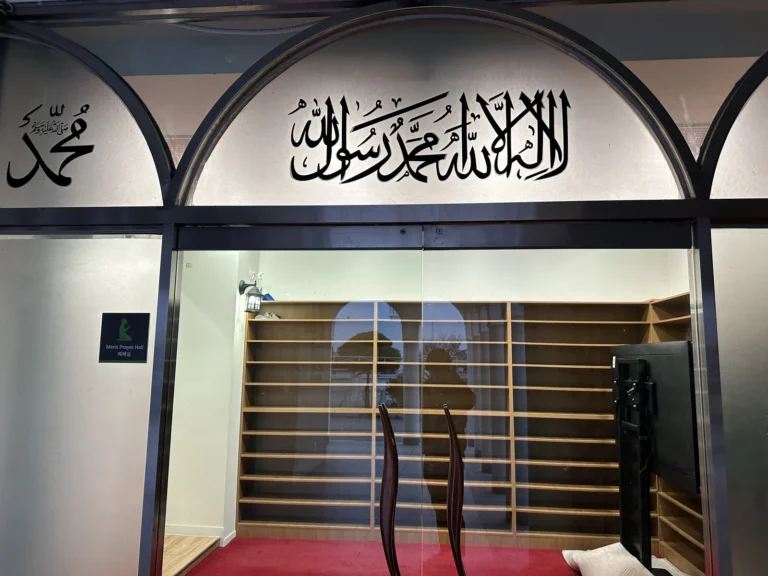
The primary prayer location for Muslims in Seoul is the Seoul Central Mosque at 39 Usadan-ro 10-gil, Yongsan-gu, which holds all five daily prayers and Friday Jumu’ah (approximately 1:00 PM khutbah, 1:30 PM prayer). For prayers outside the mosque area, multi-faith prayer rooms exist at major Korean universities (Korea University, Yonsei, Hanyang, SNU), some modern office buildings in Gangnam and Yeouido, and Incheon Airport (Terminal 1 near Gate 30, Terminal 2 near Gate 250). Hotel rooms can also be used for prayer — determine the qibla direction (approximately 252 degrees from Seoul) using a qibla app and use a clean towel as a prayer surface. For the complete mosque guide with prayer times, directions, and visitor etiquette, see our Seoul Central Mosque visit guide.
What is the qibla direction in Seoul?
The qibla direction from Seoul, South Korea is approximately 252 degrees measured clockwise from true north — which is roughly southwest. This bearing is consistent across the entire Seoul metropolitan area and works for all locations within South Korea (Busan: 253 degrees, Daejeon: 253 degrees). Inside the Seoul Central Mosque, the mihrab (prayer niche) on the qibla wall indicates the precise direction of Mecca. For praying in hotel rooms, offices, or university campuses, use a qibla compass app on your phone — we have tested and compared the most accurate apps in our qibla compass app review guide.
What time is Friday prayer at Seoul Central Mosque?
Friday Jumu’ah prayer at the Seoul Central Mosque begins with the khutbah (sermon) at approximately 1:00 PM, followed by the congregational prayer at approximately 1:30 PM. Arriving by 12:30 PM is recommended to secure a spot inside the main prayer hall, as the mosque draws hundreds of worshippers every Friday. During summer months, overflow attendees pray in the outdoor courtyard. The khutbah is delivered primarily in Arabic with Korean translation. The mosque address is 39 Usadan-ro 10-gil, Yongsan-gu, Seoul — 10-minute walk from Itaewon Station Exit 3.
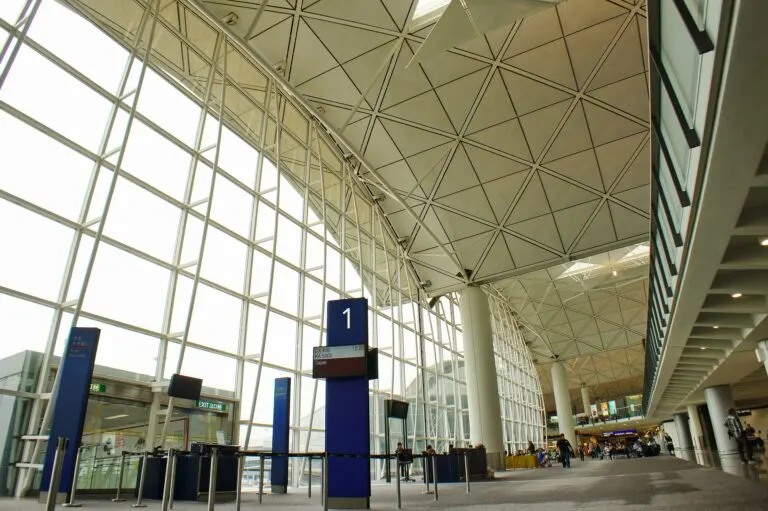
Are there prayer rooms at Incheon Airport?
Yes. Incheon International Airport has 24-hour multi-faith prayer rooms at both terminals. Terminal 1 has a prayer room near Gate 30, and Terminal 2 has one near Gate 250. Both rooms include wudu (ablution) facilities with running water, prayer mats, qibla direction markers, and separate sections for men and women. These rooms are located airside (after immigration and security). If you need to pray before clearing immigration, use a quiet corner of the arrivals hall and determine the qibla direction with your phone app — the qibla from Incheon Airport is approximately 252 degrees southwest, the same as from Seoul.
Can I pray in a Korean hotel room?
Yes, absolutely. Korean hotel rooms are private spaces where prayer is completely normal and will not cause any disturbance. Determine the qibla direction using a qibla app (approximately 252 degrees southwest from Seoul), find a clean section of floor near the qibla wall, and use a clean towel or the hotel prayer mat if available. Most hotels will provide a prayer mat upon request at the front desk, though supply is limited. If you prefer not to be interrupted during prayer, place the do not disturb sign on your door handle. For specific hotel recommendations with Muslim-friendly amenities, see our Muslim-friendly hotels guide.
Transportation and Getting Around Questions
How do I get from Incheon Airport to Seoul?
The most efficient option is the Airport Railroad Express (AREX) from Incheon Airport to Seoul Station (43 minutes, 9,500 KRW). From Seoul Station, transfer to subway Line 4 to Samgakji Station, then Line 6 to Itaewon Station — the total journey to the Seoul Central Mosque area takes approximately 65 to 75 minutes. Airport limousine buses cost 17,000 KRW and take 70 to 90 minutes. Taxis cost 65,000 to 85,000 KRW and take 60 to 90 minutes depending on traffic. For late-night arrivals after the last AREX train at 10:40 PM, take a taxi or stay at the Incheon Airport Transit Hotel (from 80,000 KRW). For step-by-step directions with every transport option, see our complete Incheon Airport transit guide.
How do I get around Seoul using public transport?
Seoul has one of the world’s best public transport systems. Purchase a T-money card at any convenience store in the airport arrivals hall (load 15,000 to 20,000 KRW for your first few days). This single card works on all subway lines (1,250 KRW per ride), all city buses (1,250 KRW), the Airport Railroad all-stop train (4,750 KRW), and can be used for payment at convenience stores. The subway system has signs and announcements in English, making navigation straightforward. Google Maps has very limited functionality in Korea — always use Naver Map for accurate walking directions and real-time transit information.
Do Korean taxi drivers speak English?
Most Korean taxi drivers speak limited English. To communicate your destination, show the driver the Korean address on your phone screen or type it into Naver Map. For reaching the Seoul Central Mosque, show this text: “서울중앙성원 이태원 우사단로10길 39” (Seoul Central Mosque, 39 Usadan-ro 10-gil, Itaewon). For reaching the halal restaurant area, show: “이태원역으로 가주세요” (Please take me to Itaewon Station). Taxis accept cash (KRW), credit cards, and T-money cards. A late-night surcharge of 20 percent applies between midnight and 4:00 AM.
Accommodation Questions
Where should a Muslim traveler stay in Seoul?
The Itaewon and Hannam-dong area is strongly recommended for Muslim travelers because it is within walking distance of the Seoul Central Mosque, the halal restaurant row on Usadan-ro, and halal grocery stores. Top hotel picks include Hamilton Hotel Itaewon (119 Itaewon-ro, from 80,000 KRW per night, 10-minute walk to mosque, prayer mat available on request), IP Boutique Hotel Itaewon (11 Usadan-ro 12-gil, from 90,000 KRW, 7-minute walk to mosque), and for budget travelers, Bunk Guesthouse Itaewon (from 20,000 KRW for dormitory beds). For luxury travelers, the Grand Hyatt Seoul (322 Sowol-ro, from 250,000 KRW) is in the same Yongsan-gu district. For a complete comparison with prices, amenities, and Muslim-specific features, see our Muslim-friendly hotels guide.
Do any Korean hotels offer halal breakfast?
No major hotel in Seoul offers fully halal-certified breakfast as of 2026. However, several hotels serve breakfast buffets with clearly labeled vegetarian, seafood, egg, bread, fruit, and salad options that are halal-safe. The Hamilton Hotel, Hotel28 Myeongdong, and Dormy Inn Garosugil all have breakfast buffets where you can eat safely by avoiding pork-labeled items. You can also request a pork-free plate at any hotel breakfast restaurant. Alternatively, purchase halal bread, cheese, eggs, and fruit from convenience stores the night before and prepare breakfast in your room using the in-room refrigerator and kettle.
Can I request alcohol to be removed from my hotel minibar?
Yes. Every major hotel in Seoul will accommodate a request to remove alcohol from the room minibar. Make this request at check-in by saying “미니바에서 술을 빼주세요” (Please remove the alcohol from the minibar). The housekeeping team will restock the minibar without alcohol items for the duration of your stay. This is a standard request that hotels handle regularly for guests from Muslim-majority countries.
Cultural and Practical Questions
Can I wear hijab in Korea?
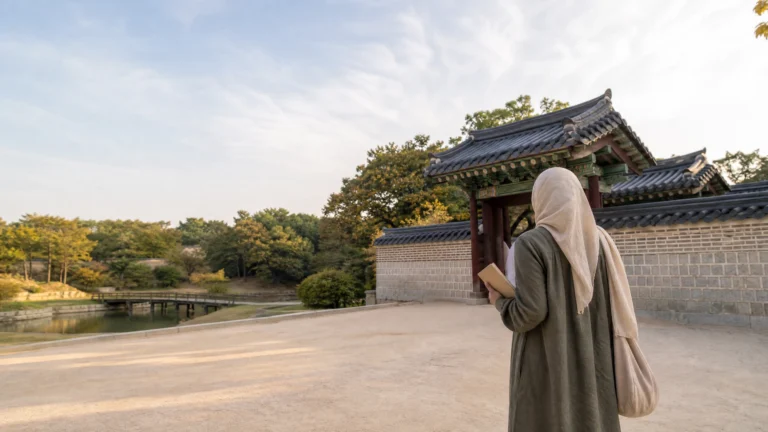
Yes. Wearing hijab is fully legal and unrestricted in all public spaces, restaurants, hotels, universities, and workplaces in South Korea. Korean law protects religious freedom, and there are no laws or regulations that restrict Islamic dress. While you may receive curious looks from some Korean people, especially outside of tourist areas, this curiosity is almost always respectful and friendly rather than hostile. Several hundred Muslim women living in Korea wear hijab daily without any issues. Korean universities with significant Muslim student populations are particularly accustomed to hijab-wearing students and staff.
Is alcohol served everywhere in Korea?
Alcohol is widely available in Korea — soju (a Korean distilled spirit) and beer are deeply embedded in Korean social culture. Most Korean restaurants serve alcohol, and Korean BBQ restaurants in particular expect customers to order soju or beer alongside grilled meat. However, you are never required to order or consume alcohol at any restaurant. Simply order water (“물 주세요” — mul ju-se-yo), soft drinks, or tea instead. Halal restaurants near the Seoul Central Mosque do not serve alcohol at all. Convenience stores sell alcohol but also stock a wide range of non-alcoholic beverages. Korea’s drinking culture is social, not coercive — declining alcohol is always respected.
What Korean phrases should a Muslim traveler know?
The most critical Korean phrases for Muslim travelers are: “저는 돼지고기를 먹지 않습니다” (I do not eat pork), “이 음식에 돼지고기가 들어가나요?” (Does this food contain pork?), “근처에 모스크가 있나요?” (Is there a mosque nearby?), and “메카 방향이 어디인가요?” (Which direction is Mecca?). These four phrases, combined with the ability to identify Korean characters for pork (돼지고기), ham (햄), alcohol (알코올), and gelatin (젤라틴) on food labels, form the essential communication toolkit. For the complete phrasebook with pronunciation guides and phone-showable Korean text, see our Korean phrases guide for Muslim travelers.
Is tap water safe to drink in Korea?
Yes, tap water in Seoul and all major Korean cities is safe to drink and meets international water quality standards. Korean restaurants provide free pitchers of cold water and glasses as soon as you sit down. Bottled water is widely available at convenience stores for 800 to 1,500 KRW per bottle. During Ramadan when hydration between Iftar and Suhoor is critical, drinking at least 1.5 to 2 liters of water between sunset and the pre-dawn meal is recommended, especially during Seoul’s dry winter months.
What should I do if I accidentally eat pork in Korea?
If you realize after tasting that your food contains pork, stop eating immediately. You have not committed a sin if the consumption was unintentional and accidental — Islamic jurisprudence is clear that accidental consumption of haram food does not carry moral or spiritual blame. Politely inform the server using the Korean phrase “죄송합니다, 이 음식에 돼지고기가 들어있어서 못 먹겠습니다” (I am sorry, this food contains pork so I cannot eat it). Most Korean restaurants will prepare an alternative dish. To prevent this situation in the future, always ask about ingredients before ordering and use the Papago app to scan ingredient labels at convenience stores.
Shopping and Daily Life Questions
Where can I buy halal meat in Seoul?
The halal butcher shops on Usadan-ro in Hannam-dong, within a five-minute walk of the Seoul Central Mosque, are the primary source of halal meat in Seoul. These shops sell halal-certified lamb, beef, and chicken imported from verified halal suppliers. Prices: halal chicken from 6,000 KRW per kg, halal beef from 18,000 KRW per kg, halal lamb from 22,000 KRW per kg. The shops are open daily from approximately 9:00 AM to 10:00 PM, with extended hours until midnight during Ramadan. A halal supermarket nearby also carries imported products from Pakistan, Turkey, Malaysia, and Indonesia including rice, lentils, spices, canned goods, and bulk dates for Ramadan.
Can I find halal food at Korean convenience stores?
Korean convenience stores (CU, GS25, 7-Eleven) do not carry halal-certified products, but several individual items are generally safe for Muslim consumption. Safe options include plain steamed rice bowls (흰 쌀밥, approximately 1,500 KRW), vegetable-only samgak-kimbap (야채 삼각김밥, approximately 1,200 KRW — verify no ham or tuna mayo), banana milk, nuts, dried fruit, fresh fruit, and bottled water. The key risk is hidden pork and alcohol in processed foods — always use the Papago app to translate Korean ingredient labels before purchasing. For a detailed analysis of every convenience store food category, see our complete Korean convenience store halal food guide.
What payment methods work in Korea?
Credit and debit cards (Visa, Mastercard) are accepted at virtually all restaurants, shops, and hotels in Seoul. Cash (Korean won) is needed for some halal grocery stores and street food vendors on Usadan-ro. The T-money transit card doubles as a payment method at convenience stores and some restaurants. The Wowpass prepaid card is specifically designed for international visitors and works at most merchants. ATMs that accept international cards are available at every subway station and convenience store. Currency exchange rates at banks in central Seoul (Myeongdong, Itaewon) are better than airport exchange counters by approximately 5 to 10 percent.
Ramadan and Eid Questions
When is Ramadan 2026 in Korea?
Ramadan 2026 (1447 Hijri) is expected to begin approximately Wednesday, February 18, 2026 and end approximately Thursday, March 19, 2026, subject to the official moon sighting announcement by the Korea Muslim Federation. Fasting hours during this period in Seoul are moderate at approximately 12 to 13 hours per day, since Ramadan falls in late winter and early spring. This is significantly shorter than a summer Ramadan in Seoul, which can require fasting for over 16 hours. For the complete daily Suhoor and Iftar timetable, Taraweeh prayer schedule, and halal iftar restaurant recommendations, see our Ramadan 2026 Seoul guide.
Where can I break my fast (Iftar) during Ramadan in Seoul?
The Seoul Central Mosque hosts free communal iftar every evening during Ramadan in the basement cultural center, serving 200 to 300 people immediately after the Maghrib adhan at sunset. The meal typically includes dates, water, rice with chicken or lamb curry, vegetable dishes, and fruit — all funded by community donations. Nearby halal restaurants including EID, Makan, and Antique Kebab extend their hours during Ramadan for iftar dining. Yang Good BBQ in Gangnam also serves iftar meals with advance reservation. For the complete Ramadan dining guide with restaurant hours and pricing, see our Ramadan 2026 guide.
When is Eid al-Fitr 2026 and where is the Eid prayer in Seoul?
Eid al-Fitr 2026 is expected on March 20, 2026 (subject to moon sighting). The Eid congregational prayer is held at the Seoul Central Mosque at 8:00 AM, with thousands of worshippers filling the mosque, courtyard, and surrounding streets. Arriving by 7:00 AM is strongly recommended. Worshippers often wear their national traditional dress — thobe, kurta, baju melayu, or modest Korean-inspired clothing. Zakat al-Fitr (obligatory charity before Eid prayer) of approximately 10,000 to 15,000 KRW per family member is collected at the mosque. Post-prayer celebrations include community greetings, shared sweets and food, and family gatherings at halal restaurants.
Safety and Emergency Questions
What is the emergency phone number in Korea?
For all emergencies in South Korea, dial 112 for police and 119 for fire and ambulance services. Both numbers have English-speaking operators available 24 hours. For medical emergencies, major hospitals in Seoul have international clinics with English-speaking staff. The nearest hospital to the Itaewon halal district is the International Clinic at Yongsan area hospitals. Korea’s national health insurance system covers emergency treatment for registered residents, while tourists should have travel insurance that covers medical expenses.
Is Korea safe for a solo female Muslim traveler wearing hijab?
South Korea is one of the safest countries in Asia for solo female travelers, including Muslim women wearing hijab. Street crime in Seoul is extremely rare, public transport is safe at all hours including late at night, and Korean society is generally respectful of personal space and religious expression. Solo female Muslim travelers regularly visit and live in Seoul without experiencing harassment or discrimination related to their hijab or faith. The most common experience is curiosity — Korean women may ask questions about the hijab or express interest in learning about Islam, which comes from genuine friendliness.
What should I do if I face discrimination in Korea?
Anti-Muslim discrimination in Korea is extremely rare but not impossible. If you experience discriminatory behavior, you can report it to the police by calling 112 or visiting the nearest police station. For non-criminal incidents of discrimination at a workplace or university, contact the Korean National Human Rights Commission (국가인권위원회) at 1331. Korean anti-discrimination norms, while not yet codified in comprehensive legislation, are strongly upheld in practice by Korean institutions and the general public.
Complete Quick Reference — Essential Information at a Glance
| Topic | Key Information |
|---|---|
| Qibla direction from Seoul | Approximately 252 degrees (southwest) |
| Seoul Central Mosque address | 39 Usadan-ro 10-gil, Yongsan-gu, Seoul |
| Nearest subway to mosque | Line 6 Itaewon Station, Exit 3 (10-minute walk) |
| Friday prayer time | Khutbah 1:00 PM, prayer 1:30 PM |
| Halal restaurant area | Usadan-ro 10-gil, Hannam-dong (2 to 5 min walk from mosque) |
| Halal butcher shops | Usadan-ro, Hannam-dong (open 9 AM to 10 PM daily) |
| Incheon Airport prayer room | Terminal 1 near Gate 30, Terminal 2 near Gate 250 (24 hours) |
| Airport to mosque transport | AREX express to Seoul Station (43 min, 9,500 KRW), then subway to Itaewon (15 min, 1,250 KRW) |
| Emergency number | 112 (police), 119 (fire and ambulance) |
| Korean for “no pork please” | 돼지고기 빼주세요 (Dwaeji-gogi bbae-ju-se-yo) |
Master Directory — Every Guide on This Site for Muslim Travelers
The following table links to every detailed guide available on this site, organized by topic. Each guide contains addresses, maps, prices, operating hours, and practical tips that go far beyond the brief answers in this FAQ.
| Guide Title | Topic | Best For |
|---|---|---|
| Halal Restaurants in Korea 2026 | Every halal restaurant with addresses and prices | Finding where to eat |
| Seoul Central Mosque Visit Guide | Mosque directions, prayer times, visitor etiquette | First visit to the mosque |
| Itaewon Islamic Street Walking Tour | 8-stop walking route with maps and cultural stops | Exploring the halal neighborhood |
| Ramadan 2026 in Seoul | Suhoor Iftar times, Taraweeh schedule, Eid guide | Ramadan preparation |
| Muslim-Friendly Hotels in Seoul | Hotel comparison with prayer mat and halal amenities | Booking accommodation |
| Halal Food at Korean Convenience Stores | Safe items at CU, GS25, 7-Eleven with label guide | Quick meals and snacks |
| Incheon Airport to Seoul Central Mosque | Every transport option with step-by-step directions | Airport arrival planning |
| Korean Phrases for Muslim Travelers | Essential Korean expressions with pronunciation | Daily communication |
| Best Qibla Compass Apps 2026 | App comparison with accuracy testing | Finding qibla direction |
| How to Find Qibla Without a Phone | Sun, star, and shadow methods for qibla | When technology fails |
| Muslim Student Life in Korea | University prayer rooms, scholarships, daily routine | Long-term study in Korea |
| Halal Korean BBQ Guide | Where to grill halal meat safely in Seoul | Korean BBQ experience |
| Qibla Direction from Every Major City | 100 plus cities with exact bearing and distance | Quick qibla reference |
▶ Find Seoul Central Mosque on Naver Map — Your Home Base in Seoul
Support This Complete Muslim Traveler Resource for Korea
Every guide on this site is created as a free resource to help Muslim travelers visit, live in, and explore South Korea with confidence. If any of these guides helped you during your trip planning or time in Korea, consider supporting the project so we can continue creating and updating these resources for the Muslim community.
▶ Support Muslim Qibla on Ko-fi — Help Us Maintain the Most Complete Muslim Travel Guide for Korea
This FAQ page is your doorway to everything a Muslim traveler needs in Korea. Every question above leads to a detailed guide with real addresses, tested directions, verified prices, and honest advice from the Muslim community in Seoul. Whether you are asking about the nearest halal butcher shop to your hotel, the exact degree of the qibla from your city, the fastest route from Incheon Airport to the mosque, or the best Korean phrase to use when a waiter cannot understand your dietary restrictions — the answer is here, linked, mapped, and ready for you to use. Korea is more Muslim-friendly than most travelers expect, and with the right preparation, your visit to Seoul can be one of the most rewarding travel experiences of your life. Start with the mosque, explore the halal neighborhood, grill some Korean BBQ, find the qibla in your hotel room, and discover a country where a billion-dollar tech industry and a centuries-old Islamic community exist within a few subway stops of each other.
#MuslimTravelerFAQ #MuslimTravelKorea #VisitingKoreaAsMuslim #KoreaForMuslims #SeoulMuslimGuide #HalalFoodKoreaFAQ #MuslimTravelFAQ #KoreaIslamicTravel #SeoulMosqueFAQ #HalalKoreaFAQ #MuslimTravelTipsKorea #KoreaMuslimPrayer #SeoulHalalFoodFAQ #QiblaDirectionKorea #MuslimFriendlyKoreaFAQ #KoreaTravelForMuslims #SeoulCentralMosqueFAQ #KoreaMuslimCommunity #MuslimTouristKorea #EverythingAboutKoreaMuslim
Explore Korea by topic
Choose a focused next step for Korea travel, halal food, prayer planning, or transport.
Explore more published guides
Keep planning with more published Muslim travel guides. New cards appear as you reach the end, or choose to load the next set.
 Halal talkMMA2 Lagos Airport Mosque & Chapel (LOS): Passenger GuideMMA2 lists a chapel and mosque on the terminal premises. Ask terminal staff for the current location and…Open guide
  Halal talkElazığ Airport Prayer Room (EZS): Official Mescit, Parking & Access GuideElazığ Airport (EZS) officially lists a mescit in its domestic terminal. The airport operator confirms parking is available…Open guide
  Halal talkFreetown Airport Prayer Rooms (FNA): First Floor GuideFreetown Airport has dedicated Christian and Muslim prayer facilities on the first floor, accessible to all passengers and…Open guide
  Halal talkIğdır Airport Prayer Rooms (IGD): 2 Mescits, Parking & Terminal GuideIğdır Şehit Bülent Aydın Airport (IGD) officially lists two prayer rooms in its one-storey domestic terminal. The airport…Open guide
 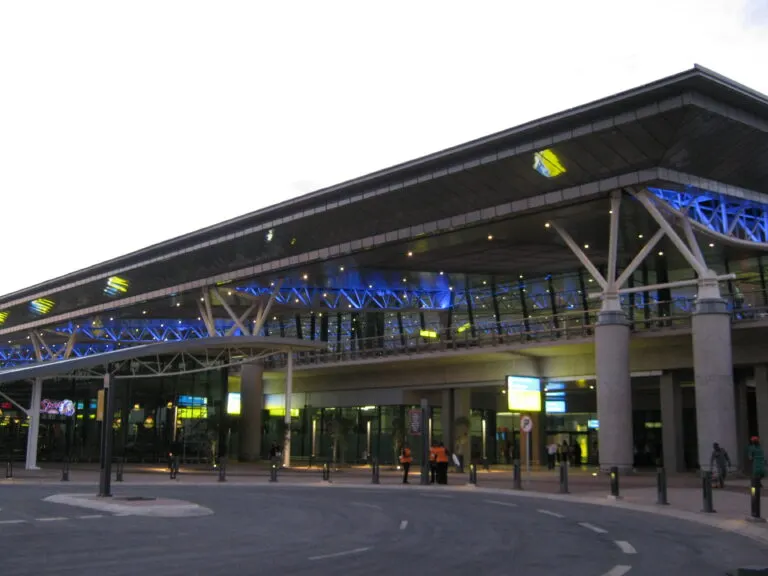 Halal talkKing Shaka Airport Prayer Rooms (DUR): Access GuideKing Shaka Airport has multi-faith prayer rooms for passengers. Ask an airport information desk for the current prayer-room…Open guide
 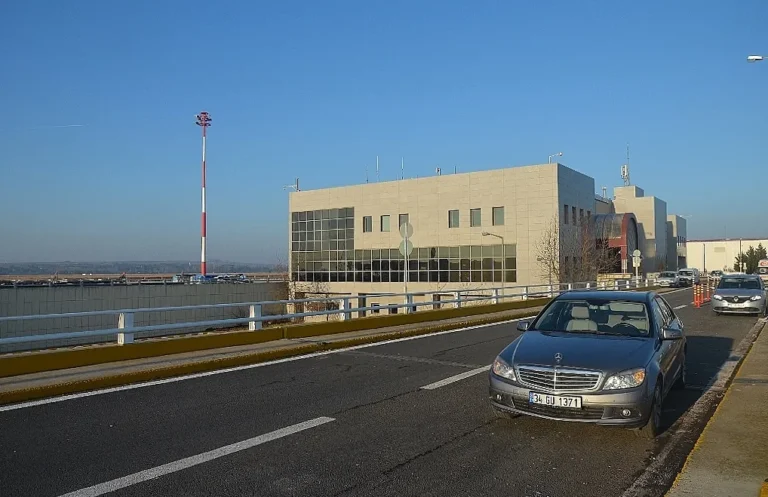 Halal talkÇorlu Atatürk Airport Prayer Rooms (TEQ): Terminal Mescit, Parking & Access GuideTekirdağ Çorlu Atatürk Airport (TEQ) officially confirms that separate women’s and men’s prayer rooms are inside its terminal…Open guide
 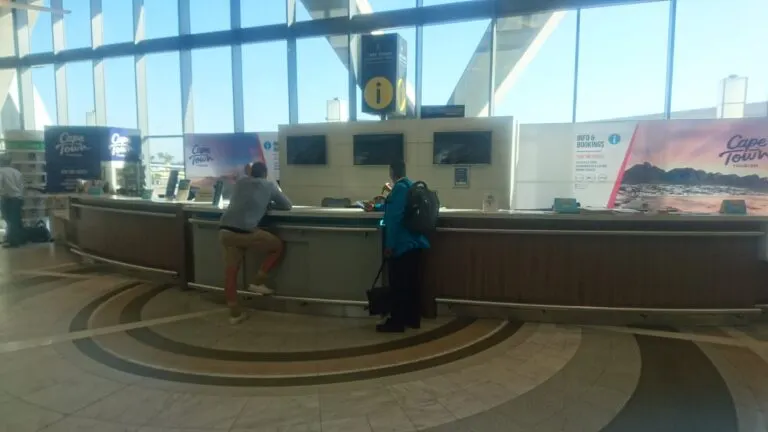 Halal talkCape Town Airport Prayer Room (CPT): Request Access GuideCape Town Airport can accommodate prayer-space requests. Ask any ACSA representative for the current prayer-room location and access…Open guide
 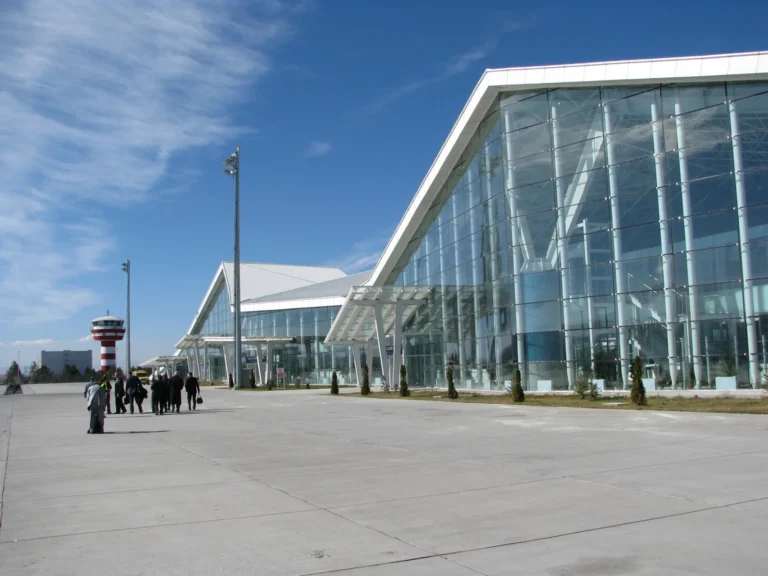 Halal talkKars Harakani Airport Prayer Rooms (KSY): 5 Mescits, Parking & Terminal GuideKars Harakani Airport (KSY) officially lists five prayer rooms: three for men and two for women. Domestic and…Open guide
  Halal talkOR Tambo Muslim Prayer Facility (JNB): 24/7 GuideOR Tambo Muslim prayer facility is open 24/7 in the basement parkade closest to Terminal A arrivals, with…Open guide