T-money in Korea: A Muslim Traveler’s Practical Guide
A T-money card can make the first day of a trip to Korea easier. It is a reloadable transit card used for everyday public transport, helping you spend less time working out fares and more time reaching your hotel, a mosque, a halal restaurant, or your next stop in Seoul.
For Muslim visitors, T-money is not a religious service and it does not verify halal products or prayer facilities. Its value is practical: it helps you move between the places where you plan to pray, eat, rest, and explore. Check the current route, timetable, and venue information before you leave, especially on Fridays, public holidays, or late at night.
What a T-money card is useful for
Tmoney’s official foreigner guide explains that the card can be topped up with Korean won cash at participating Tmoney sales locations. The guide lists convenience-store chains including GS25, CU, 7-Eleven, MINISTOP, Story Way, Emart24, and 365PLUS; it also identifies subway-station top-up machines and information centers as top-up locations.
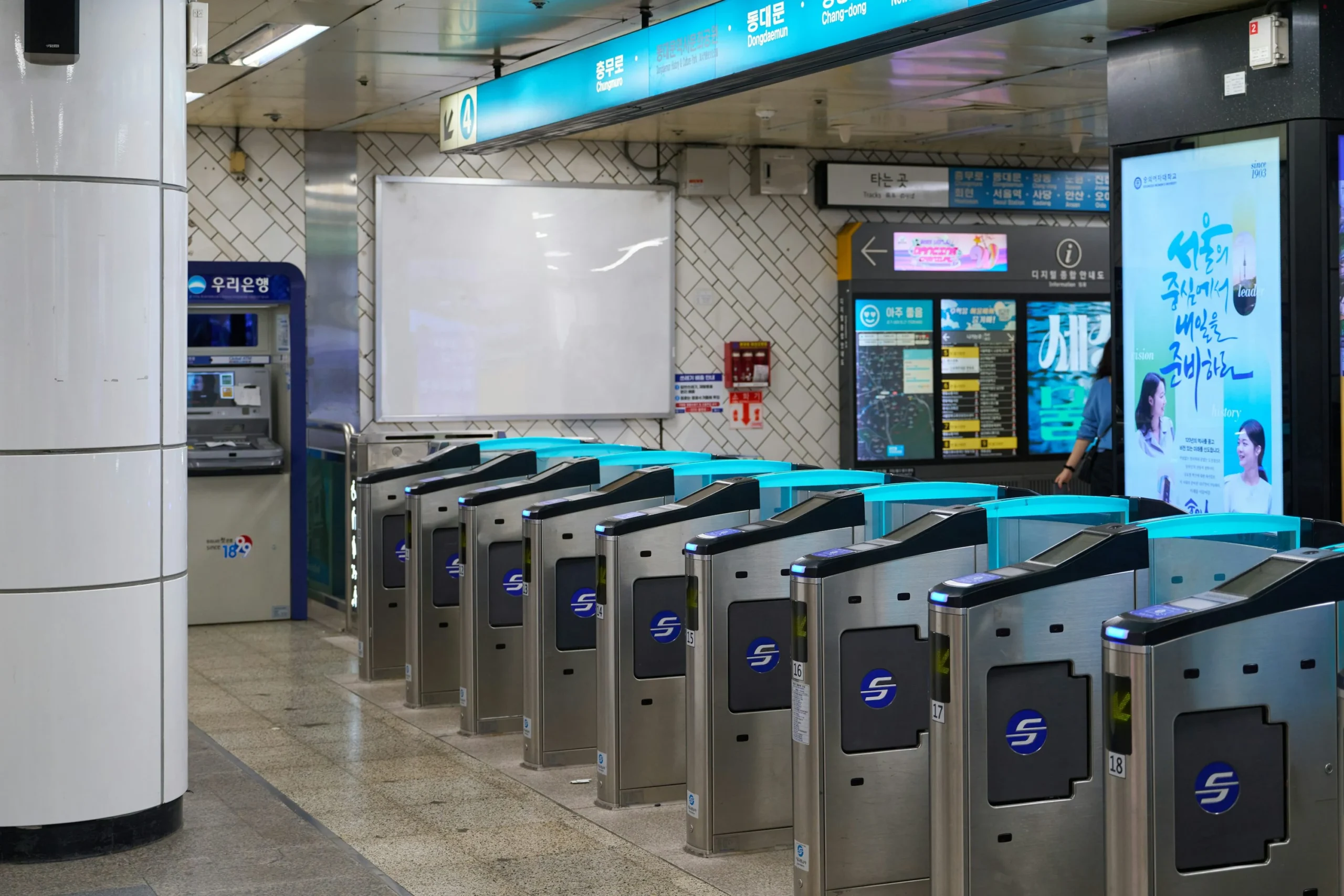
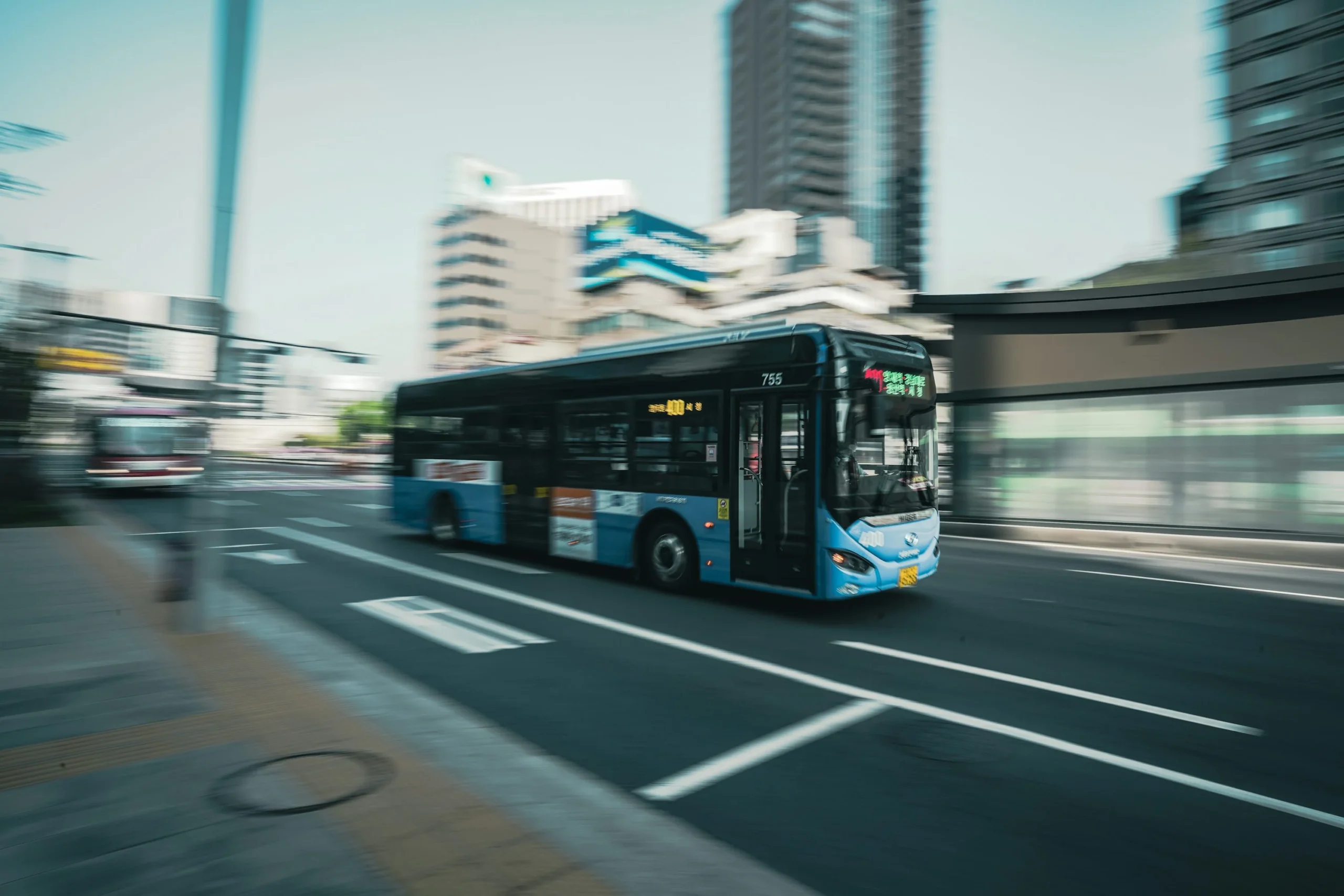
For a visitor, a practical routine is simple: check that a physical card is in stock at the point of sale, keep Korean-won cash available for reloading, tap according to the signs on buses or at subway gates, and check your remaining balance before a longer trip. Card availability, payment methods, and services can differ by branch, so ask staff if you are unsure.
Top up carefully and keep a small cash buffer
According to Tmoney’s official guide, top-ups are made in Korean won cash. The listed top-up unit is ₩1,000; the guide states a top-up range of ₩1,000 to ₩90,000 and says the stored balance cannot exceed ₩500,000. For a short stay, load only an amount you are comfortable using and add more later if necessary.
| Practical step | What to check |
|---|---|
| Buy the card | Ask whether physical cards are in stock and confirm the price before paying. |
| Add value | Prepare Korean-won cash and check the displayed amount before completing a top-up. |
| Start a trip | Follow the local tap-in signs; do not assume every transport product uses the same rules. |
| Change buses or lines | Check current transfer rules and time limits on official transit information, because policies can change. |
| Finish the trip | Check your remaining balance and keep the card if you will travel again. |
Plan a prayer-aware day in Seoul
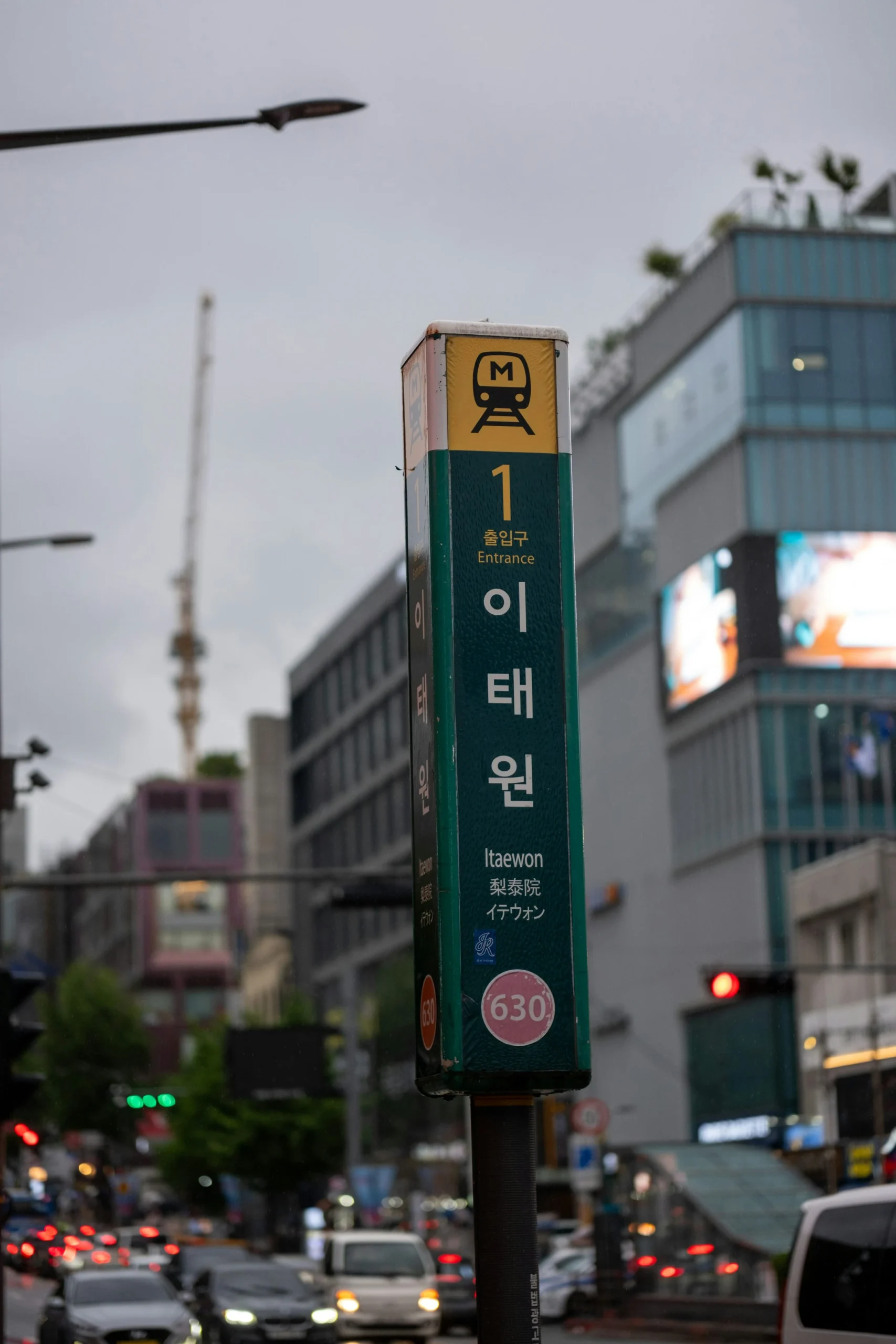
Choose your destination before you choose a route. If you plan to visit a mosque or find a prayer-friendly place, identify the address and the nearest station first. Check the day’s prayer schedule before choosing a meeting time or a long transfer, and leave additional time for Friday traffic or an unfamiliar station.
A reliable day has a few fixed points: the prayer time you will observe, the district you will visit, a verified meal option, and the last return route. T-money connects those stops, but the best plan still leaves room for delays and confirmation of current venue rules.
Traveling outside Seoul
T-money is widely associated with public transport in Korea, but a visitor should not assume every route, ticket type, airport service, or long-distance trip works in exactly the same way. When you travel to Busan or another city, confirm the payment method shown by the operator or at the station before boarding. For airport coaches, rail services, and intercity transport, check the current booking and payment conditions with the operator.
Refunds and remaining balance
Tmoney’s official guide states that refunds are handled at Tmoney sales or top-up locations, are paid in Korean won cash, and do not include the original cost of the card. The guide also states that a ₩500 service fee applies; partial-refund conditions are more limited and described for specified locations and balance ranges. Ask staff what is available at that exact branch before requesting a refund.
Quick checklist
| Before you leave your hotel | Before you enter a mosque or venue |
|---|---|
| Check today’s local prayer time. | Confirm entrance and visitor rules with the operator. |
| Check the map and nearest station. | Keep extra travel time for Friday or peak traffic. |
| Carry a small cash buffer for top-ups. | Verify current opening times and prayer-room availability. |
| Check your T-money balance. | Use the card only for the transport option shown as accepted. |
A T-money card will not solve every travel detail, but it is a useful part of a well-prepared day. Plan your prayer time, verify your destination, leave a margin for transfers, and use the card as the practical link between each stop.
Official source and last review
Last reviewed: 2026-08-28. Transport-card sales, payment, transfer, and refund conditions can change. Confirm current details through the official Tmoney foreigner guide and the relevant transport operator before travel.
Plan your next stop in Seoul
Before you choose a departure time, check today’s Seoul prayer times and allow time for transfers.
Then find mosques and prayer rooms across Korea before you travel.
Explore Korea by topic
Choose a focused next step for Korea travel, halal food, prayer planning, or transport.
Explore more published guides
Keep planning with more published Muslim travel guides. New cards appear as you reach the end, or choose to load the next set.
 Halal talkLangkawi International Airport Prayer Rooms (LGK): Surau, Parking & GuideLangkawi International Airport (LGK) officially provides Muslim Prayer Rooms in the Public Concourse and Domestic Departure Hall. The…Open guide
 Halal talkBrisbane Airport Prayer Rooms: Muslim Traveler GuideRepresentative image: Brisbane Airport Domestic Terminal. It does not show the Prayer Room. Photo by King Eliot, CC0…Open guide
 Halal talkKuching International Airport Prayer Rooms (KCH): Levels 1–3, Parking & GuideKuching International Airport (KCH) officially provides Muslim Prayer Rooms at Level 1 East and West Wing, Level 2…Open guide
 Halal talkNarita Airport Prayer Rooms: Muslim Traveler GuideRepresentative image: Narita International Airport Terminal 2 departure lobby. It does not show a Prayer Room. Photo by…Open guide
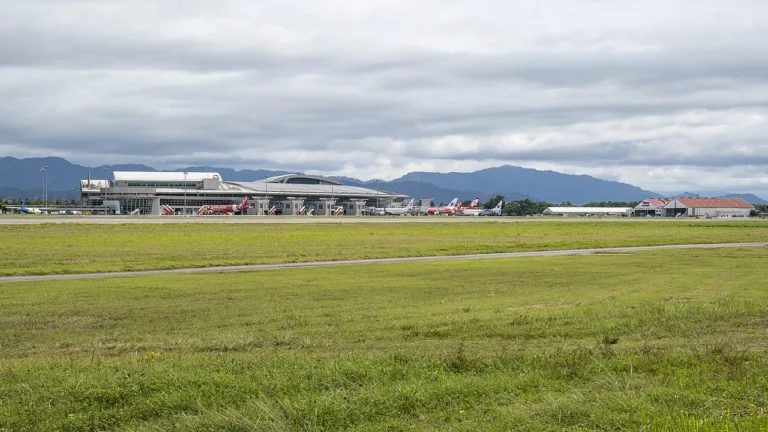 Halal talkKota Kinabalu International Airport Prayer Rooms (BKI): Gates 2 & 9, Parking & GuideKota Kinabalu International Airport (BKI) officially provides Muslim Prayer Rooms at Level 1 Public Concourse, Level 2 Departure…Open guide
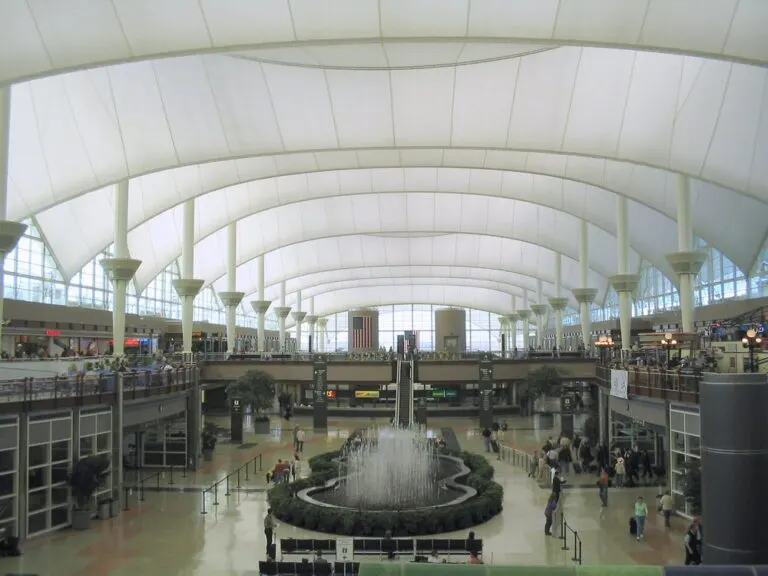 Halal talkDenver Airport Interfaith Chapel and Masjid: Muslim Prayer GuideRepresentative image: Jeppesen Terminal at Denver International Airport. It does not show the Interfaith Chapel or Masjid. Photo…Open guide
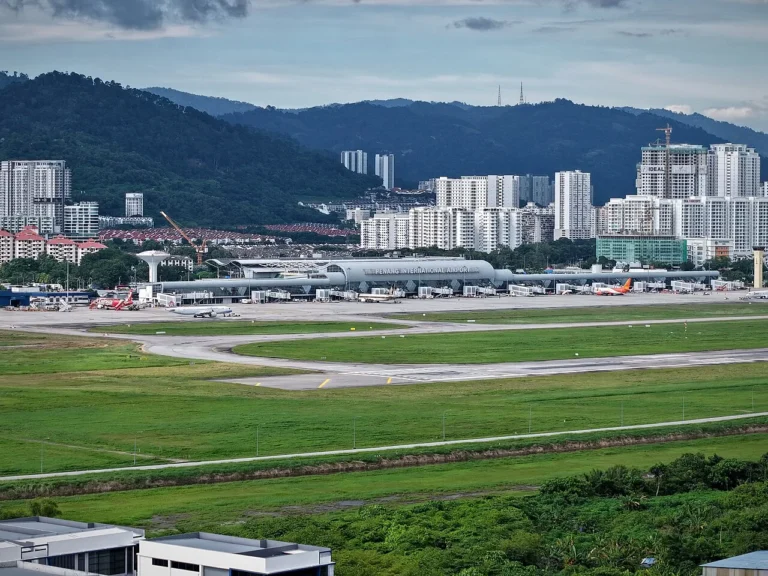 Halal talkPenang International Airport Prayer Rooms (PEN): Surau, Parking & Arrival GuidePenang International Airport (PEN) officially provides Muslim Prayer Rooms in Domestic Departure, International Departure, the VIP Room and…Open guide
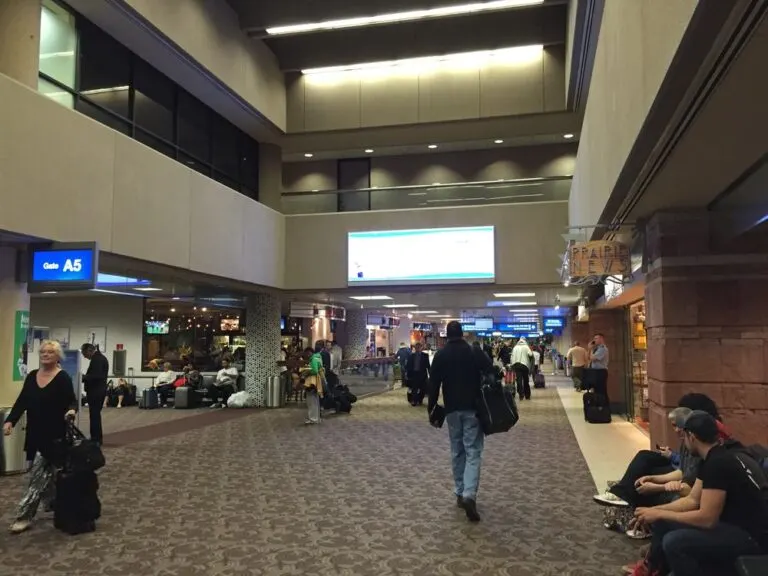 Halal talkPhoenix Sky Harbor Compassion Corner Chapel: Muslim Prayer GuideRepresentative image: Phoenix Sky Harbor International Airport Terminal 4. It does not show the Compassion Corner Chapel. Photo…Open guide
 Halal talkKuala Lumpur International Airport Prayer Rooms (KUL T1): Surau, Parking & Access GuideKLIA Terminal 1 (KUL) officially provides Muslim Prayer Rooms at all levels of the Main Terminal Building and…Open guide