Complete Ramadan in Seoul Guide — Iftar Taraweeh Halal Suhoor Community Events Timings
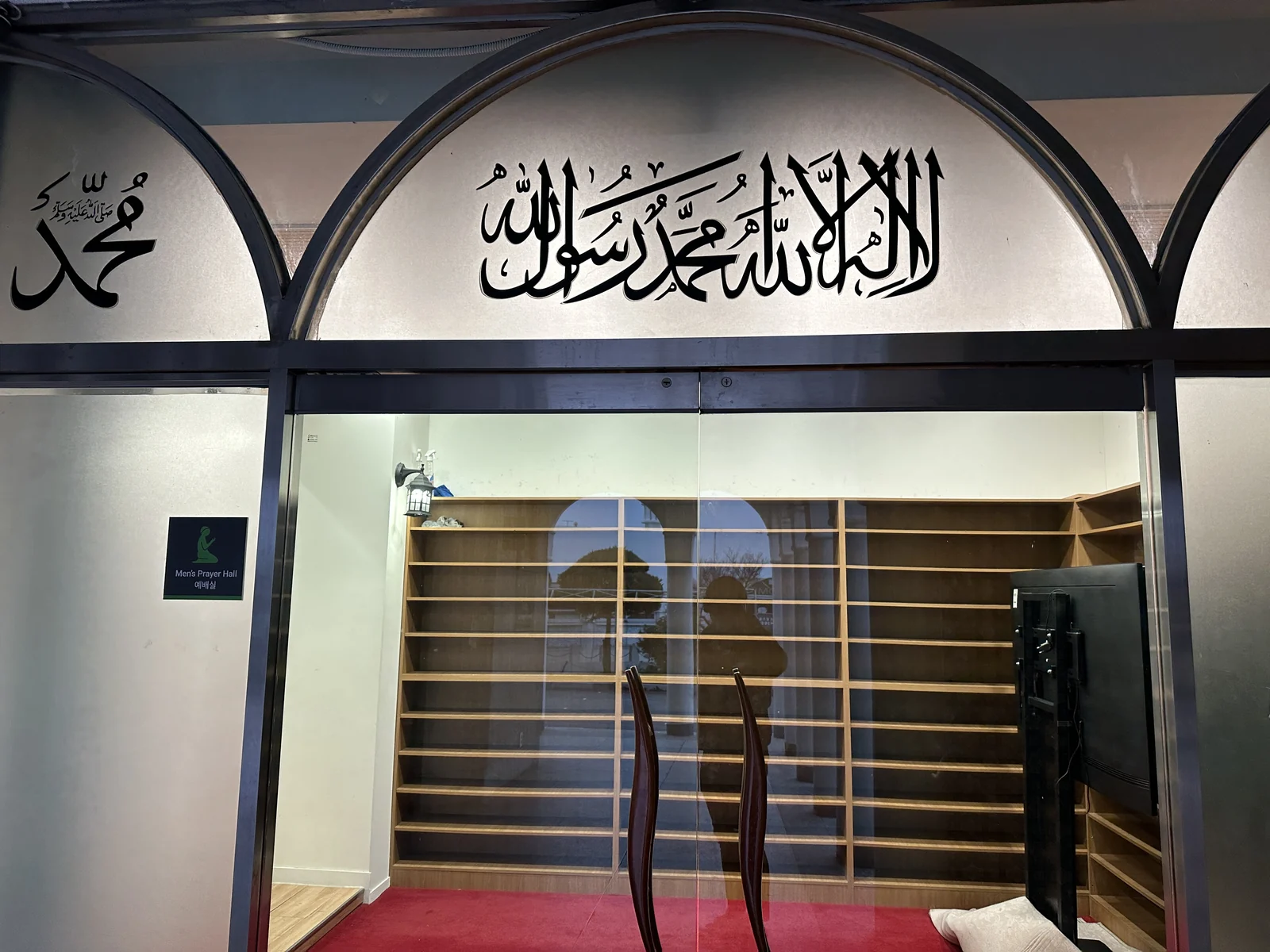
Complete Ramadan in Seoul Guide — Iftar Timings Taraweeh Mosques Halal Suhoor and Community Events
Spending Ramadan in Seoul as a Muslim traveler or resident is a profoundly unique spiritual experience — fasting through Korean hours breaking fast with the Seoul Central Mosque community performing Taraweeh prayers in the crisp Korean night air and experiencing the pre-dawn quiet of a city that sleeps early and wakes gently. Whether you are a tourist whose Korea trip coincides with Ramadan a university student observing the holy month far from home or a long-term resident building your Ramadan routine this complete guide covers everything from exact iftar and suhoor timing to the best halal iftar restaurants to Taraweeh prayer schedules at the Seoul Central Mosque to community events that make spending Ramadan in Korea a deeply communal experience despite being thousands of kilometers from a Muslim-majority country.
Ramadan in Seoul — What Makes It Different
Ramadan in Korea presents distinct challenges and rewards that differ significantly from observing the holy month in Muslim-majority countries. Understanding these differences helps you prepare mentally and practically for a spiritually fulfilling month.
Key Facts About Ramadan in Seoul
| Aspect | Details |
|---|---|
| Fasting Hours | Varies by year — approximately 11.5 hours in winter Ramadan to 16+ hours in summer Ramadan |
| Muslim Community | Approximately 200,000 Muslims in Korea with the largest concentration in Seoul |
| Primary Mosque | Seoul Central Mosque — holds all Ramadan prayers including Taraweeh |
| Community Iftars | Daily community iftar meals organized at the Seoul Central Mosque during Ramadan |
| Halal Food Access | Excellent near the mosque on Usadan-ro — limited in other areas |
| Weather During Ramadan | Varies dramatically depending on when Ramadan falls in the Gregorian calendar |
| Workplace Accommodation | Most Korean employers accommodate Ramadan fasting when informed in advance |
| Community Atmosphere | Smaller but deeply communal — the Korean Muslim community becomes exceptionally close during Ramadan |
Ramadan Fasting Hours in Seoul — Year by Year
Because the Islamic calendar is approximately 11 days shorter than the Gregorian calendar Ramadan moves through all four Korean seasons over a 33-year cycle. The fasting experience in Seoul varies dramatically depending on which season Ramadan falls in.
| Ramadan Period | Season in Seoul | Fajr (Suhoor End) | Maghrib (Iftar) | Fasting Duration | Temperature |
|---|---|---|---|---|---|
| 2024 (March-April) | Early Spring | Approximately 5:00 AM | Approximately 6:40 PM | Approximately 13.5 hours | 5 to 15 degrees Celsius |
| 2025 (Feb-March) | Late Winter to Early Spring | Approximately 5:30 AM | Approximately 6:10 PM | Approximately 12.5 hours | Minus 2 to 10 degrees Celsius |
| 2026 (Feb) | Winter | Approximately 5:45 AM | Approximately 5:50 PM | Approximately 12 hours | Minus 5 to 3 degrees Celsius |
| 2027 (Jan-Feb) | Deep Winter | Approximately 5:55 AM | Approximately 5:40 PM | Approximately 11.5 hours | Minus 10 to 0 degrees Celsius |
| 2030 (Nov-Dec) | Autumn to Winter | Approximately 5:30 AM | Approximately 5:15 PM | Approximately 11.75 hours | 0 to 10 degrees Celsius |
| 2033 (Sep-Oct) | Autumn | Approximately 4:45 AM | Approximately 6:15 PM | Approximately 13.5 hours | 10 to 22 degrees Celsius |
| 2036 (July-Aug) | Summer | Approximately 3:50 AM | Approximately 7:45 PM | Approximately 16 hours | 24 to 35 degrees Celsius |
The shortest Ramadan fasts in Seoul occur during winter months (approximately 11.5 to 12 hours) making Korea one of the most comfortable countries in the world for winter Ramadan fasting. The longest Ramadan fasts occur during summer months (approximately 15 to 16 hours) with the additional challenge of extreme heat and humidity.
Seoul Central Mosque — The Center of Ramadan in Korea
The Seoul Central Mosque in Hannam-dong Yongsan-gu is the spiritual heart of Ramadan for the entire Korean Muslim community. During the holy month the mosque transforms into a hub of worship community gathering and shared meals that draws Muslims from across the peninsula.
Seoul Central Mosque Ramadan Information
| Category | Details |
|---|---|
| Address | 39 Usadan-ro 10-gil Yongsan-gu Seoul |
| Nearest Subway | Line 6 Itaewon Station Exit 3 — 10-minute walk uphill |
| Phone | +82-2-793-6908 |
| Daily Prayers | All five daily prayers held — check exact times at the mosque notice board or Muslim Pro app |
| Taraweeh Prayer | Held every night of Ramadan after Isha prayer — approximately 8 rakaat to 20 rakaat depending on the imam’s schedule |
| Community Iftar | Daily community iftar organized at the mosque during Ramadan — food donated by community members and local businesses |
| Laylat al-Qadr | Special extended prayers during the last 10 nights of Ramadan — itikaf (spiritual retreat) arrangements available for men |
| Eid al-Fitr Prayer | Special Eid prayer held on the morning of the 1st of Shawwal — multiple prayer sessions to accommodate large crowds |
| Facilities | Separate prayer areas for men and women wudu ablution rooms shoe storage Islamic bookstore on the ground floor |
| Parking | Very limited street parking — use public transportation (Line 6 Itaewon Station) |
| Crowd Level | Normal days moderate — Friday Jumu’ah very crowded — Laylat al-Qadr and last 10 nights extremely crowded — arrive early |
▶ Find Seoul Central Mosque on Naver Map for Ramadan Prayers
Taraweeh Prayer Schedule and Experience in Seoul
Taraweeh is the special extended night prayer performed during Ramadan after the Isha prayer. At the Seoul Central Mosque Taraweeh is one of the most spiritually moving experiences available to Muslims in Korea — the entire community gathers in the mosque’s prayer hall filling every row as the imam recites the Quran in long beautiful rak’ahs through the Korean night.
Taraweeh Practical Details
- Start time: Taraweeh begins immediately after the Isha congregation prayer. During spring Ramadan this is approximately 8:30 to 9:00 PM. During winter Ramadan it can begin as early as 7:00 to 7:30 PM.
- Duration: Typically 60 to 90 minutes depending on the imam’s recitation speed and the number of rak’ahs performed. The mosque typically performs 8 rak’ahs of Taraweeh followed by 3 rak’ahs of Witr.
- Women’s section: The women’s prayer area is on the upper floor of the mosque with a separate entrance and wudu facilities. During Ramadan the women’s section fills quickly — arrive at least 15 minutes before Isha to secure a spot.
- What to bring: Your own prayer mat (the mosque provides mats but they fill up during Ramadan), a small Quran or Quran app on your phone for personal reading between prayers, a water bottle, and comfortable clothing for extended sitting.
- Transportation home after Taraweeh: Taraweeh typically ends between 10:00 and 11:00 PM. The last subway from Itaewon Station (Line 6) departs at approximately 11:45 PM, giving you ample time to reach the station after prayer. If Taraweeh runs late, night buses and taxis are available.
Last 10 Nights — Laylat al-Qadr and Itikaf
- Laylat al-Qadr: The Night of Power — believed to fall on one of the odd-numbered nights of the last 10 days of Ramadan. The Seoul Central Mosque holds extended prayers on these nights with the community staying until the early hours of the morning for worship du’a and Quran recitation.
- Itikaf: The mosque accommodates itikaf (spiritual retreat in the mosque) for men during the last 10 nights. Participants remain inside the mosque continuously for worship leaving only for necessities. Contact the mosque administration in advance to register for itikaf.
- Extended Tahajjud: On the odd-numbered nights of the last 10 days the mosque holds extended late-night Tahajjud prayers beginning after midnight and continuing until Suhoor time.
Iftar — Where to Break Fast in Seoul
Breaking fast at iftar is the most anticipated moment of each Ramadan day. In Seoul you have several options ranging from communal mosque iftars to halal restaurant dining to preparing your own iftar at home.
Option 1 — Community Iftar at Seoul Central Mosque
- What it is: A communal iftar meal served at or near the mosque every evening during Ramadan. Food is donated by community members local halal restaurants and Muslim organizations. The meal typically includes dates rice biryani or pilaf meat curry or kebab salad fruit and water or juice.
- Cost: Free — community iftars are funded by donations from the Muslim community.
- Timing: Food is served at Maghrib prayer time — arrive at the mosque at least 15 to 30 minutes before Maghrib to secure a spot and join the communal breaking of fast with dates and water.
- Atmosphere: Deeply communal — Muslims from dozens of nationalities sit together on the floor sharing food and conversation. Korean converts Pakistani workers Indonesian students Turkish businessmen and Arab families all gather together. This is the most authentic Ramadan community experience available in Korea.
- Tip: Bring a donation or food contribution to the mosque if you are able — the community iftar relies entirely on voluntary contributions and every contribution helps feed another fasting person.
Option 2 — Halal Restaurant Iftar on Usadan-ro
The halal restaurants on Usadan-ro near the mosque extend their hours and expand their menus during Ramadan to serve the increased demand for iftar meals. This is the best option for travelers who want a restaurant-style iftar experience with specific dishes.
| Restaurant | Cuisine | Iftar Hours | Price Per Person | Special Ramadan Offerings |
|---|---|---|---|---|
| EID Restaurant | Pakistani Indian | Open until 10:00 PM | 10,000 to 25,000 KRW | Special iftar platters with dates soup biryani and kebab |
| Makan | Malaysian | Open until 9:30 PM | 12,000 to 20,000 KRW | Malaysian iftar dishes nasi goreng satay |
| Kervan | Turkish | Open until 10:00 PM | 15,000 to 30,000 KRW | Turkish iftar spreads pide kebab lentil soup |
| Antique Kebab | Turkish Middle Eastern | Open until 10:00 PM | 12,000 to 25,000 KRW | Kebab platters hummus falafel |
| Halal Kitchen | Korean halal | Open until 9:00 PM | 10,000 to 18,000 KRW | Halal Korean iftar — bibimbap japchae |
Critical Ramadan restaurant tip: During Ramadan the Usadan-ro halal restaurants are extremely busy at iftar time. Order your food at least 1 hour before Maghrib or call ahead to place your order so it is ready when iftar time arrives. Arriving at a restaurant at exactly Maghrib time without a prior order means waiting 30 to 60 minutes for food during the Ramadan rush.
▶ Find All Halal Restaurants on Usadan-ro for Ramadan Iftar on Naver Map
Option 3 — Self-Prepared Iftar at Home or Hotel
Preparing your own iftar gives you complete control over timing ingredients and portion sizes. This is the preferred option for long-term residents and budget-conscious travelers.
Iftar Shopping List for Ramadan in Seoul
- Dates: Available at Usadan-ro halal shops — imported from Saudi Arabia Pakistan and Iran. Prices: 10,000 to 30,000 KRW per box depending on quality. Ajwa dates are the most prized. Buy enough for the entire month at the beginning of Ramadan.
- Rice: Korean short-grain rice from any supermarket — 10kg bag costs approximately 25,000 to 35,000 KRW and lasts one person approximately one month.
- Halal meat: Purchase from Usadan-ro halal butcher shops. Buy in bulk and freeze individual portions. Lamb chicken and beef all available.
- Fruits: Korean seasonal fruits — tangerines apples pears strawberries (spring) watermelon (summer). Purchase from supermarkets or traditional markets for the best prices.
- Yogurt and laban: Korean yogurt drinks are halal and excellent for breaking fast gently. Available at any convenience store for approximately 1,500 to 2,500 KRW.
- Hydration supplies: Electrolyte drinks water bottles and fruit juices — essential for rehydrating after long fasting hours especially during summer Ramadan.
Suhoor — Pre-Dawn Meal Strategies in Seoul
Suhoor the pre-dawn meal before the fast begins is critically important in Seoul where fasting hours can range from 11.5 to 16 hours depending on the season. A well-planned suhoor provides sustained energy and hydration throughout the day.
Suhoor Timing in Seoul
- Suhoor end time: Suhoor must be completed before Fajr (dawn) prayer time. In Seoul Fajr time ranges from approximately 3:50 AM (summer) to 5:55 AM (winter). Check the Muslim Pro app or the Seoul Central Mosque notice board for exact daily Fajr times during Ramadan.
- Last eating recommendation: Stop eating and drinking at least 10 minutes before Fajr time to be safe. Many Muslims in Seoul stop at the Fajr adhan call.
- Alarm setup: Set multiple alarms for suhoor — the early hour makes it easy to oversleep. Use the Muslim Pro app’s suhoor alarm feature which calculates the optimal wake-up time based on your location.
Suhoor Food Strategy for Long Fasting Hours
- Complex carbohydrates: Korean rice (bap) sweet potatoes (goguma) and whole grain bread provide slow-release energy throughout the day. A bowl of Korean rice with side dishes is an excellent suhoor base.
- Protein: Eggs (gyeran) are the easiest halal protein source for suhoor in Korea — hard-boiled scrambled or as Korean steamed egg (gyeranjjim). Halal chicken and beef from Usadan-ro can be prepared the night before.
- Hydration foods: Cucumber watermelon and lettuce have high water content and help maintain hydration during the fast. Korean watermelon (subak) is available at supermarkets during summer Ramadan.
- Healthy fats: Avocado sesame oil (chamgireum) and nuts provide sustained energy. Korean sesame oil drizzled over rice is a traditional energy booster.
- Avoid: Salty foods (Korean ramyeon chips) that increase thirst. Spicy foods that cause stomach discomfort. Sugary foods that cause energy crashes mid-morning.
24-Hour Food Sources for Late-Night Suhoor Shopping
- CU and GS25 convenience stores: Open 24 hours — sell rice balls banana milk eggs (some locations have microwaves for heating) fruit cups bread and instant rice. Build a quick suhoor meal for 5,000 to 8,000 KRW.
- Noryangjin Fish Market: Open 24 hours — purchase fresh fish and seafood for suhoor and have it prepared at adjacent restaurants. A reliable option when halal restaurants are closed.
- Prepare suhoor the night before: The most practical approach for working Muslims. Cook a large pot of rice and prepare halal meat and vegetables after iftar and refrigerate for suhoor. Reheat in the morning using the microwave available in most Korean apartments and officetels.
Ramadan Daily Schedule for Muslims in Seoul
The following sample schedule integrates fasting worship work or sightseeing and community activities into a balanced Ramadan day in Seoul.
| Time | Activity | Location |
|---|---|---|
| 4:00 AM (approx) | Suhoor meal | Home or hotel — prepared from previous night |
| 4:30 AM (approx) | Stop eating — prepare for Fajr | Home |
| 5:00 AM (approx) | Fajr prayer | Home or Seoul Central Mosque |
| 5:30 to 7:30 AM | Sleep or rest | Home |
| 8:00 AM to 12:00 PM | Work or sightseeing | Office university or tourist attractions |
| 12:30 PM (approx) | Dhuhr prayer | Office quiet room or mosque |
| 1:00 to 4:00 PM | Continue work or sightseeing | Various |
| 3:30 PM (approx) | Asr prayer | Office quiet room or hotel |
| 4:00 to 5:30 PM | Rest light activity or Quran reading | Home or quiet cafe |
| 5:45 PM (approx) | Prepare for iftar — head to mosque or restaurant | Seoul Central Mosque or Usadan-ro restaurant |
| 6:10 to 6:40 PM (approx) | Maghrib prayer and iftar | Mosque or restaurant |
| 7:00 PM | Rest digest socialize | Mosque area or home |
| 8:00 PM (approx) | Isha prayer followed by Taraweeh | Seoul Central Mosque |
| 10:00 PM (approx) | Taraweeh ends — return home | Subway Line 6 Itaewon Station before last train |
| 10:30 PM | Quran recitation personal worship | Home |
| 11:30 PM | Sleep | Home |
Note: Prayer times listed are approximate for spring Ramadan. Check the Muslim Pro app or Seoul Central Mosque notice board for exact daily times. Winter Ramadan has significantly earlier Maghrib and Isha times meaning the entire evening schedule shifts 1 to 2 hours earlier.
Managing Ramadan at Work and University in Seoul
For Muslims working or studying in Korea during Ramadan managing the fast alongside Korean work and academic culture requires advance planning and clear communication.
Workplace Ramadan Strategies
- Inform your employer early: Notify your employer or HR department about Ramadan at least 2 weeks before it begins. Explain that you will be fasting from dawn to sunset and may need a brief break for prayer during working hours. Most Korean employers are understanding when given advance notice.
- Friday Jumu’ah accommodation: Request an extended lunch break on Fridays to attend the Jumu’ah prayer at the Seoul Central Mosque. Most employers accommodate this when requested politely in advance.
- Hoesik (work dinner) avoidance: Korean workplace culture includes after-work drinking dinners. During Ramadan you have a natural and universally respected reason to decline — you are fasting. Simply say “라마단 기간이라 금식 중입니다” (I am fasting during Ramadan) and Korean colleagues will immediately understand and respect your situation.
- Energy management: If your work requires significant physical activity adjust your suhoor to include more complex carbohydrates and protein. If your work is desk-based you can maintain normal productivity with a well-planned suhoor.
- Break room access: If you need a brief rest during the fasting hours due to fatigue use the office break room or meeting room for a 10 to 15 minute rest. Korean office culture generally allows brief personal breaks.
University Ramadan Strategies
- Inform professors: Email your professors at the beginning of Ramadan explaining that you are fasting and may need brief breaks during long lectures. Most Korean university professors are accommodating.
- University prayer room: Use the university prayer room for Dhuhr and Asr prayers between classes. Contact the international student office for prayer room locations and Muslim student group contacts.
- Exam preparation: If exams fall during Ramadan plan your study schedule around your energy levels — study during mornings when energy is highest after suhoor and rest during the afternoon energy dip.
- Muslim student association events: Join your university’s Muslim student association Ramadan events including group iftars Taraweeh gatherings and study circles. These groups provide essential social support during the holy month.
Ramadan Weather and Fasting Comfort in Seoul
The Korean weather during Ramadan significantly impacts the fasting experience. Here is how to manage fasting in each possible season.
Winter Ramadan (December to February)
- Advantages: Shortest fasting hours in the world — approximately 11.5 to 12.5 hours. Cold temperatures reduce thirst. Early sunset means iftar comes sooner.
- Challenges: Bitter cold during Fajr prayer — performing wudu with cold water is uncomfortable. Getting up for suhoor in sub-zero temperatures requires strong motivation. Wear warm layers for mosque visits.
- Tips: Use warm water for wudu at home. Wear thermal layers under your modest clothing. Eat warming suhoor foods — hot rice porridge with halal meat and warm milk.
Spring Ramadan (March to May)
- Advantages: Comfortable temperatures (5 to 22 degrees Celsius). Moderate fasting hours (12.5 to 14 hours). Cherry blossoms during Ramadan create a beautiful atmosphere for walking to the mosque.
- Challenges: Variable weather — a warm morning can turn into a cold evening. Yellow dust storms in March and April can affect air quality.
- Tips: Layer your clothing for temperature swings. Check air quality forecasts on hwangsa days and consider indoor prayer if air quality is poor.
Summer Ramadan (June to August)
- Advantages: Long daylight hours mean the entire community is united in the extended fast — a shared spiritual experience. Beautiful sunset iftars. Lively post-Taraweeh community gatherings.
- Challenges: The most difficult Ramadan season — 15 to 16 hours of fasting in extreme heat (30 to 38 degrees) and high humidity (80 percent). Dehydration risk is significant. Monsoon rain in late June and July can disrupt outdoor activities.
- Tips: Drink at least 2 liters of water during suhoor. Include electrolyte drinks in your iftar. Avoid outdoor physical activity during peak heat hours (12:00 to 4:00 PM). Wear loose moisture-wicking clothing. If you feel dizzy or dehydrated break your fast — health preservation is an Islamic priority.
Autumn Ramadan (September to November)
- Advantages: Beautiful fall foliage weather (5 to 25 degrees Celsius). Moderate fasting hours (12.5 to 14 hours). The most comfortable weather for outdoor mosque walks.
- Challenges: Rapidly cooling temperatures as the month progresses — early Ramadan may be warm while late Ramadan is cold.
- Tips: Prepare for temperature changes throughout the month. Enjoy outdoor iftar picnics at Han River parks during the early autumn Ramadan weeks.
Ramadan Community Events in Seoul
The Korean Muslim community organizes special events during Ramadan that bring Muslims together for worship education socializing and celebration.
- Daily community iftar at Seoul Central Mosque: Every evening during Ramadan the mosque hosts a communal iftar meal funded by community donations. This is the largest regular gathering of Muslims in Korea and the best opportunity to meet fellow Muslims from diverse nationalities.
- Ramadan lectures and study circles: The Islamic Center adjacent to the mosque organizes nightly lectures and Quran study circles between Maghrib and Isha during Ramadan. Topics include Quran tafsir Islamic jurisprudence and spiritual self-improvement. Lectures are conducted in Korean Arabic and English on different nights.
- Weekend family iftars: On weekends the Muslim community organizes larger family-oriented iftar events with activities for children. Contact the Korea Muslim Federation for current schedules.
- National community iftars: The Pakistani Indonesian Malaysian Turkish Bangladeshi and Arab communities in Seoul each organize their own national iftar gatherings during Ramadan. Ask fellow community members at the mosque for details about your national community’s events.
- Interfaith iftar: Some years the Seoul Central Mosque hosts interfaith iftar events inviting Korean non-Muslim leaders and community members to share the iftar experience. These events promote understanding and cultural exchange.
- Ramadan charity drives: The Korean Muslim community organizes charity collections during Ramadan for both local Korean causes and international Muslim relief. Contributing to these drives is a meaningful way to fulfill the Ramadan spirit of generosity while in Korea.
Eid al-Fitr in Seoul — Celebrating the End of Ramadan
Eid al-Fitr the celebration marking the end of Ramadan is one of the most joyful days in the Korean Muslim calendar. The Seoul Central Mosque becomes the center of a vibrant celebration that draws Muslims from across the country.
Eid Prayer Details
- Date: The morning of the 1st of Shawwal — the day after the last day of Ramadan. The exact date is confirmed by moon sighting announcements from the Korea Muslim Federation typically 1 to 2 days before Eid.
- Time: Eid prayer is held in the morning typically between 7:00 AM and 9:00 AM. The mosque usually holds multiple sessions to accommodate the large crowd. Arrive at least 45 minutes early for the first session.
- Location: Seoul Central Mosque — 39 Usadan-ro 10-gil Yongsan-gu Seoul. On Eid day the prayer spills out onto the streets surrounding the mosque as the indoor space cannot contain all worshippers.
- Crowd: Eid prayer at the Seoul Central Mosque draws the largest gathering of Muslims in Korea — several thousand worshippers fill the mosque the courtyard and the surrounding streets. The atmosphere is electric with joy greetings and celebration.
- What to wear: Wear your best modest clothing. Many Muslim men wear traditional thobes or shalwar kameez and many Muslim women wear their finest abayas or modest dresses with colorful hijab. Wearing new or special clothing for Eid is a recommended Sunnah.
Eid Day Activities
- Post-prayer socializing: After Eid prayer the community gathers outside the mosque greeting each other with “Eid Mubarak” and “Taqabbal Allahu minna wa minkum.” Children receive small gifts and sweets. This social gathering is one of the warmest moments of the Korean Muslim experience.
- Eid breakfast and lunch: The halal restaurants on Usadan-ro serve special Eid menus. Many community members host private Eid meals at their homes. If you are visiting Seoul during Eid approach fellow worshippers at the mosque — many will invite you to join their family Eid celebrations.
- Eid shopping: Use Eid day to visit the Usadan-ro shops for last-minute gifts and treats. Many shops offer Eid discounts. The shops also sell special Eid sweets and Pakistani Turkish and Arab confectionery.
- Eid in the parks: Korean weather during Eid varies by year but if the weather is pleasant the Han River parks provide beautiful spaces for family Eid picnics with halal food from Itaewon shops.
Preparing for Ramadan in Seoul — Checklist
Two Weeks Before Ramadan
- Stock up on dates: Purchase enough dates for the entire month from Usadan-ro halal shops. Ajwa Medjool and Sukari dates are popular choices. Prices increase as Ramadan approaches — buy early.
- Freeze halal meat: Buy halal meat in bulk from Usadan-ro butcher shops and freeze in individual iftar-sized portions. This saves time and money throughout the month.
- Prepare suhoor supplies: Stock up on rice oats eggs bread and non-perishable suhoor items. Plan suhoor menus for the first week to establish a routine.
- Notify your employer or university: Send formal notification about Ramadan fasting schedule and any needed accommodations.
- Set up prayer time app: Download and configure Muslim Pro for Seoul location. Enable all prayer time notifications and the suhoor alarm feature.
- Plan your Ramadan goals: Set targets for Quran completion daily dhikr charitable giving and spiritual self-improvement during the month.
First Day of Ramadan
- Attend the first Taraweeh: The first Taraweeh prayer of Ramadan at the Seoul Central Mosque sets the spiritual tone for the entire month. Arrive early for Isha and experience the community’s excitement and energy as the blessed month begins.
- Establish your routine: The first 3 days of Ramadan are about establishing your daily rhythm — suhoor timing Fajr prayer rest periods work schedule iftar location Taraweeh prayer and sleep schedule. Once this routine is set the rest of the month flows naturally.
- Connect with the community: Introduce yourself to fellow worshippers at the mosque. Exchange phone numbers and join WhatsApp or KakaoTalk groups for the local Muslim community. These connections make Ramadan in Korea a shared rather than solitary experience.
Frequently Asked Questions About Ramadan in Seoul
How long is the fast during Ramadan in Seoul?
The fasting duration in Seoul varies significantly depending on when Ramadan falls in the Gregorian calendar because Seoul experiences all four seasons at their full intensity. Winter Ramadan (January to February) has the shortest fasts at approximately 11.5 to 12.5 hours making Seoul one of the most comfortable cities in the world for winter Ramadan. Summer Ramadan (June to August) has the longest fasts at approximately 15 to 16 hours in extreme heat and humidity making it one of the most challenging. Spring and autumn Ramadans offer moderate fasting hours of approximately 12.5 to 14 hours in comfortable temperatures. The exact timing changes slightly each day as sunrise and sunset shift — use the Muslim Pro app for precise daily times.
Can I find iftar food easily in Seoul?
Yes if you are near the Seoul Central Mosque area. The Usadan-ro halal restaurants near the mosque serve iftar meals every evening during Ramadan with special Ramadan menus and extended hours. The community iftar at the mosque itself is free and available every night. However if you are in other areas of Seoul planning ahead is essential — most halal restaurants outside the mosque area close by 9:00 to 10:00 PM and may not specifically cater to iftar timing. The best strategy is to either return to the Itaewon area for iftar or prepare your own iftar at home using halal ingredients purchased from Usadan-ro shops.
Is Taraweeh prayer held every night at Seoul Central Mosque?
Yes. Taraweeh prayer is held every night of Ramadan at the Seoul Central Mosque after the Isha congregation prayer. The prayer typically lasts 60 to 90 minutes and consists of 8 rak’ahs of Taraweeh followed by 3 rak’ahs of Witr. The imam’s Quran recitation aims to complete the entire Quran over the course of Ramadan. The women’s section on the upper floor accommodates female worshippers for Taraweeh. On the last 10 nights of Ramadan extended prayers continue into the late hours of the night for Laylat al-Qadr worship.
Can I do itikaf at the Seoul Central Mosque?
Yes. The mosque accommodates itikaf for men during the last 10 days of Ramadan. Participants must register with the mosque administration in advance. During itikaf you remain inside the mosque continuously for worship eating sleeping and performing all prayers within the mosque premises. The mosque provides basic sleeping arrangements but bringing your own sleeping bag pillow and personal supplies is recommended. Itikaf participants typically break their fast and eat suhoor at the mosque using food provided by the community or brought by family members.
How do Korean people react to Ramadan fasting?
Korean people are generally respectful and curious about Ramadan fasting. Most Koreans have heard of Ramadan through news coverage and understand the basic concept of fasting from dawn to sunset. When you explain that you are fasting during Ramadan Korean colleagues and acquaintances typically respond with respect and sometimes admiration for the discipline involved. The most common reaction is concern about your health — Korean colleagues may gently ask if you are eating enough or suggest you drink water. This comes from genuine care rather than disrespect. Simply explaining that millions of Muslims worldwide fast during Ramadan and that you are accustomed to it usually satisfies their concern.
What if I accidentally eat or drink during fasting hours?
If you accidentally eat or drink during fasting hours — which is easy to do when surrounded by non-fasting colleagues and the culture of constantly offering food and drinks in Korean social settings — stop immediately upon remembering and continue your fast. Accidental consumption does not invalidate the fast in Islamic jurisprudence. The fast is only invalidated by deliberate eating or drinking with full awareness. To prevent accidental consumption set clear reminders on your phone and inform Korean colleagues at the beginning of Ramadan that you are fasting so they do not offer you food or drinks during the day.
Where can I buy Ramadan-specific supplies in Seoul?
The Usadan-ro halal shops near Seoul Central Mosque stock all Ramadan-specific supplies including imported dates from Saudi Arabia and Pakistan prayer mats tasbih (prayer beads) Islamic books for Ramadan reading halal meat in bulk quantities spices for iftar cooking and Ramadan decorations. The shops also carry Eid gifts sweets and clothing that arrive before the end of Ramadan. For items not available locally order through Coupang which carries halal products with next-day delivery throughout Korea.
How is Eid al-Fitr celebrated in Seoul?
Eid al-Fitr is celebrated with a large congregational prayer at the Seoul Central Mosque on the morning of the 1st of Shawwal. Multiple prayer sessions are held to accommodate the thousands of worshippers who attend. After the prayer the community gathers for socializing gift-giving and celebration. The halal restaurants on Usadan-ro serve special Eid meals. Some Muslim families organize private Eid parties at their homes. The Korea Muslim Federation announces the Eid date based on moon sighting 1 to 2 days before Eid. The atmosphere at the Seoul Central Mosque on Eid morning is one of the most joyful and communal experiences available to Muslims in Korea.
Ramadan in Seoul is not a lesser experience than Ramadan in a Muslim-majority country — it is a different one shaped by the unique rhythms of Korean life the tight-knit warmth of the Korean Muslim community and the spiritual clarity that comes from practicing your faith with intentionality in a land where Islam is a minority. The iftar meals shared on the floor of the Seoul Central Mosque with Muslims from thirty different countries the Taraweeh prayers that echo off the mosque walls into the quiet Hannam-dong night the suhoor alarms that wake you in the dark of a Korean apartment the cold wudu water that sharpens your awareness of the sacred — these are the textures of a Ramadan experience that you will remember for a lifetime. Whether you are here for one Ramadan or many the Seoul Muslim community will welcome you feed you pray alongside you and celebrate with you from the first sighting of the Ramadan moon to the joyful Eid prayer that marks its conclusion. Ramadan Mubarak from Seoul.
#RamadanSeoul #RamadanInKorea #IftarSeoul #TaraweehSeoul #SeoulCentralMosqueRamadan #HalalSuhoorSeoul #RamadanFastingKorea #SeoulIftarLocation #MuslimRamadanSeoul #TaraweehPrayerKorea #EidAlFitrSeoul #SeoulRamadanGuide #RamadanCommunitySeoul #HalalIftarKorea #SeoulMosqueRamadan #RamadanKoreaGuide #SuhoorSeoul #RamadanEventsSeoul #SeoulMuslimRamadan #CompleteRamadanSeoulGuide
—
썸네일 이미지 제작 가이드 — Ramadan in Seoul 글용:
- 도구: Canva.com 무료 템플릿
- 사이즈: 1200 x 630 픽셀
- 배경: 서울 중앙성원 야경 사진 또는 모스크 미나렛과 서울 스카이라인 합성 (Unsplash에서 “Seoul mosque night” 검색 또는 Canva 요소 활용)
- 오버레이: 하단에 반투명 짙은 남색 바
- 제목: “RAMADAN IN SEOUL” (Bebas Neue 폰트 금색 #FFD54F)
- 서브텍스트: “Complete Guide to Iftar Taraweeh Suhoor and Community Events” (DM Mono 흰색)
- 포인트 컬러: 라마단 골드 (#FFD54F)과 짙은 남색 (#1A237E) 테두리
- 아이콘: 초승달 + 모스크 미나렛 + 한국 전등 일러스트 나란히 배치
다음 글 추천 순서 계속:
| 순서 | 추천 글 제목 | 유입 키워드 전략 |
|---|---|---|
| 추천 26 | South Korea Travel Insurance Guide for Muslims — Health Coverage Emergency Services Hospital Navigation | 여행 보험 키워드 건강 응급 병원 무슬림 |
| 추천 27 | Korea SIM Card and Internet Guide for Muslim Travelers — Staying Connected for Prayer Apps and Qibla | SIM 카드 인터넷 키워드 기도 앱 연결 |
| 추천 28 | Jeju Island Muslim Travel Guide — Halal Food Prayer Solutions and Must-See Attractions | 제주도 무슬림 여행 키워드 할랄 기도 관광 |
추천 26번 (한국 여행 보험 무슬림 가이드) 작성을 원하시면 말씀해 주세요.
Explore Korea by topic
Choose a focused next step for Korea travel, halal food, prayer planning, or transport.
Explore more published guides
Keep planning with more published Muslim travel guides. New cards appear as you reach the end, or choose to load the next set.
 Halal talkMMA2 Lagos Airport Mosque & Chapel (LOS): Passenger GuideMMA2 lists a chapel and mosque on the terminal premises. Ask terminal staff for the current location and…Open guide
  Halal talkElazığ Airport Prayer Room (EZS): Official Mescit, Parking & Access GuideElazığ Airport (EZS) officially lists a mescit in its domestic terminal. The airport operator confirms parking is available…Open guide
  Halal talkFreetown Airport Prayer Rooms (FNA): First Floor GuideFreetown Airport has dedicated Christian and Muslim prayer facilities on the first floor, accessible to all passengers and…Open guide
  Halal talkIğdır Airport Prayer Rooms (IGD): 2 Mescits, Parking & Terminal GuideIğdır Şehit Bülent Aydın Airport (IGD) officially lists two prayer rooms in its one-storey domestic terminal. The airport…Open guide
  Halal talkKing Shaka Airport Prayer Rooms (DUR): Access GuideKing Shaka Airport has multi-faith prayer rooms for passengers. Ask an airport information desk for the current prayer-room…Open guide
  Halal talkÇorlu Atatürk Airport Prayer Rooms (TEQ): Terminal Mescit, Parking & Access GuideTekirdağ Çorlu Atatürk Airport (TEQ) officially confirms that separate women’s and men’s prayer rooms are inside its terminal…Open guide
  Halal talkCape Town Airport Prayer Room (CPT): Request Access GuideCape Town Airport can accommodate prayer-space requests. Ask any ACSA representative for the current prayer-room location and access…Open guide
 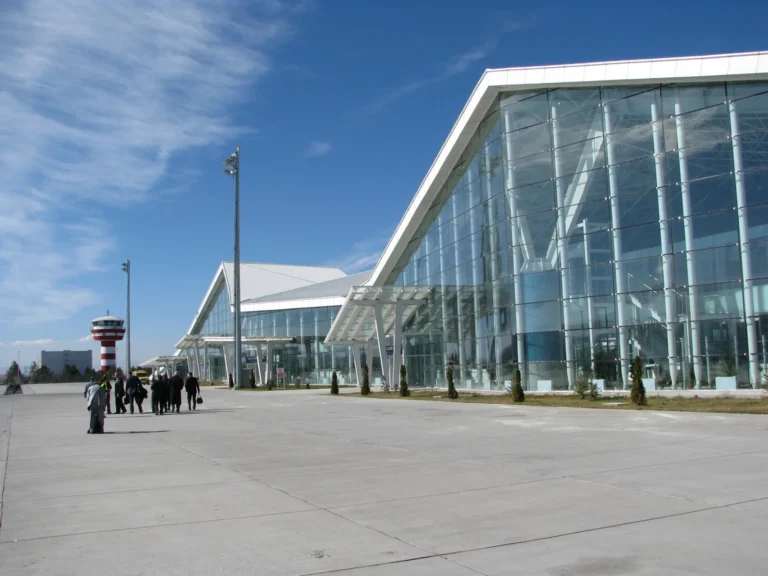 Halal talkKars Harakani Airport Prayer Rooms (KSY): 5 Mescits, Parking & Terminal GuideKars Harakani Airport (KSY) officially lists five prayer rooms: three for men and two for women. Domestic and…Open guide
 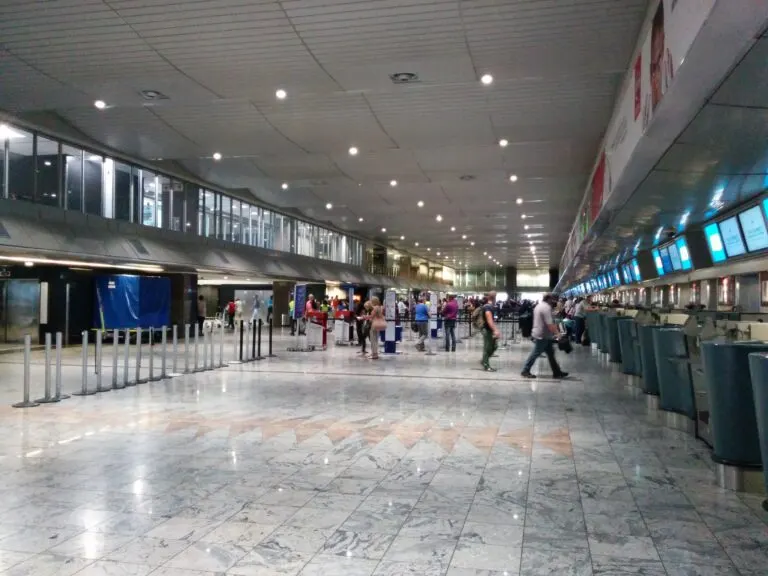 Halal talkOR Tambo Muslim Prayer Facility (JNB): 24/7 GuideOR Tambo Muslim prayer facility is open 24/7 in the basement parkade closest to Terminal A arrivals, with…Open guide