South Korea Travel Insurance Muslims — Health Coverage Emergency Hospital Navigation Guide
South Korea Travel Insurance Guide for Muslims — Health Coverage Emergency Services and Hospital Navigation
Preparing travel insurance and healthcare knowledge before visiting South Korea is essential for every Muslim traveler — because a medical emergency in a foreign country where you do not speak the language and where hospital food may contain pork and medications may contain gelatin requires a different level of preparation than a standard travel insurance checklist. South Korea has one of the most advanced healthcare systems in the world with world-class hospitals cutting-edge medical technology and relatively affordable treatment costs compared to Western countries. But for Muslim travelers navigating the Korean healthcare system means understanding how to request gelatin-free medications how to communicate dietary restrictions in hospitals and how to find halal-friendly healthcare facilities — practical concerns that no standard travel insurance policy addresses. This comprehensive guide covers everything from choosing the right insurance plan to emergency room procedures to hospital food accommodations for Muslim patients.
Understanding Korean Healthcare — What Muslim Travelers Need to Know
South Korea’s healthcare system is ranked among the best in the world with universal coverage for residents and excellent facilities available for international visitors. Understanding how the system works for foreign visitors prevents confusion and ensures you receive proper care when needed.
Korean Healthcare Quick Reference
| Category | Details |
|---|---|
| Healthcare Quality | World-class — Korean hospitals rank among the top globally in technology and medical expertise |
| Emergency Number | 119 (Ambulance and Fire) — available 24 hours |
| Police Emergency | 112 — available 24 hours |
| Tourist Helpline | 1330 — multilingual tourism and emergency assistance 24 hours |
| Hospital Cost for Tourists | No universal coverage — tourists pay full price or use travel insurance |
| Typical ER Visit Cost | 50,000 to 300,000 KRW depending on treatment |
| Typical Hospital Stay | 200,000 to 1,000,000 KRW per day depending on ward and treatment |
| English-Speaking Doctors | Available at major hospitals especially international clinics |
| Prescription Medications | Available at pharmacies (yakguk) with a doctor’s prescription |
| Pharmacy Hours | Typically 9:00 AM to 7:00 PM weekdays shorter on weekends. Some 24-hour pharmacies exist. |
Travel Insurance — Choosing the Right Plan for Korea
Travel insurance is not mandatory for entering South Korea but it is strongly recommended for every Muslim traveler. Korean medical costs for uninsured visitors can be substantial and a single hospital visit without insurance can cost hundreds of thousands of Korean Won.
What Travel Insurance Should Cover for Korea
- Emergency medical treatment: Minimum coverage of 100,000 USD recommended. Korean hospital stays can be expensive — an appendectomy costs approximately 5,000,000 to 10,000,000 KRW (3,700 to 7,400 USD) without insurance.
- Emergency evacuation: Coverage for medical evacuation to your home country if required. Critical for travelers with pre-existing conditions.
- Prescription medications: Coverage for medications prescribed during your trip including antibiotics pain medication and other treatments.
- Dental emergency: Coverage for emergency dental treatment. Dental clinics in Seoul are high quality and affordable by Western standards but still costly without insurance.
- Trip cancellation: Coverage if you need to cancel your Korea trip due to illness or family emergency before departure.
- Lost luggage and documents: Coverage for lost or stolen luggage and the cost of replacing travel documents.
- COVID-19 coverage: Verify that your policy covers COVID-19 related treatment and quarantine costs in Korea.
Insurance Options for Different Muslim Traveler Types
| Traveler Type | Recommended Coverage | Estimated Cost | Key Considerations |
|---|---|---|---|
| Short-term tourist (1 to 14 days) | Basic travel medical insurance | 15 to 50 USD | Covers emergency treatment only — not routine care |
| Student (1 semester to 1 year) | Korean National Health Insurance or private international student insurance | 50,000 to 130,000 KRW per month | Mandatory after 6 months on ARC — covers most medical expenses |
| Worker (long-term employment) | Korean National Health Insurance through employer | Employer shared — approximately 50 percent employer 50 percent employee | Mandatory — employer enrolls you automatically |
| Umrah/Hajj transit through Korea | Saudi Umrah visa includes health insurance | Included in visa fee | Covers medical emergencies during the Saudi portion of your trip only — separate coverage needed for Korea transit |
| Family visit (1 to 3 months) | Comprehensive visitor insurance | 50 to 150 USD per month | Ensure family members including children are individually covered |
National Health Insurance for Long-Term Residents
For Muslim students workers and long-term residents in Korea the National Health Insurance (NHI) system provides comprehensive coverage. Understanding how it works is essential for managing healthcare costs during your stay.
- Eligibility: All foreign nationals holding an Alien Registration Card (ARC) who stay in Korea for more than 6 months are automatically enrolled in the National Health Insurance system. This includes international students foreign workers and long-term residents.
- Monthly premium: Approximately 50,000 to 130,000 KRW per month depending on income level. Students typically pay the minimum rate.
- Coverage: NHI covers approximately 60 to 70 percent of most medical expenses including hospital visits prescription medications dental care and traditional Korean medicine. The remaining 30 to 40 percent is paid out-of-pocket by the patient.
- How to use: Present your ARC card at any hospital or clinic. The system automatically applies the insurance discount. Pay only your co-payment (30 to 40 percent of the total bill) at the hospital cashier.
- Enrollment: Automatic upon ARC issuance — the National Health Insurance Service (NHIS) sends you a notification letter. Visit the NHIS office with your ARC to complete enrollment if you do not receive automatic notification.
Finding Hospitals and Doctors in Seoul
Seoul has hundreds of hospitals clinics and medical facilities. For Muslim travelers the key is knowing which hospitals have English-speaking staff international patient services and facilities that can accommodate religious dietary and medication needs.
Major Hospitals with International Patient Services
| Hospital | Address | Nearest Subway | International Services | Phone |
|---|---|---|---|---|
| Severance Hospital (Yonsei) | 50-1 Yonsei-ro Seodaemun-gu | Line 2 Sinchon Stn | International clinic English-speaking doctors foreigner-friendly billing | +82-2-2228-5800 |
| Samsung Medical Center | 81 Irwon-ro Gangnam-gu | Line 2 Irwon Stn | International patient center dedicated foreigner department | +82-2-3410-2114 |
| Seoul National University Hospital | 101 Daehak-ro Jongno-gu | Line 4 Hyehwa Stn | International clinic translation services | +82-2-2072-2114 |
| Asan Medical Center | 88 Olympic-ro 43-gil Songpa-gu | Line 2 Ogeum Stn | International patient center 24-hour ER | +82-2-3010-5001 |
| Gangnam Severance Hospital | 211 Eonju-ro Gangnam-gu | Line 2 Yeoksam Stn | International clinic English-speaking staff | +82-2-2019-3114 |
▶ Find Severance Hospital International Clinic on Naver Map
▶ Find Samsung Medical Center on Naver Map
How to See a Doctor in Korea — Step by Step
- Choose a hospital or clinic: For emergencies go directly to the nearest hospital ER. For non-emergency issues choose a clinic or hospital based on your location and language needs. International clinics at major hospitals are the easiest option for English-speaking visitors.
- Register at reception: Present your passport at the hospital registration desk. If you have Korean health insurance present your ARC card. Staff will create a patient record in the hospital system.
- Pay the consultation fee: Korean hospitals require upfront payment before seeing the doctor. The initial consultation fee ranges from 10,000 to 50,000 KRW depending on the hospital and department. Insurance holders pay only the co-payment.
- See the doctor: Wait for your number to be called. Consultation times in Korea are typically shorter than Western countries — 5 to 15 minutes per visit. Be concise and direct about your symptoms.
- Receive prescription: If medication is needed the doctor writes a prescription. Take the prescription to the hospital pharmacy or any external pharmacy (yakguk) to have it filled.
- Pay at pharmacy: Medications are paid separately at the pharmacy. Costs range from 3,000 to 30,000 KRW depending on the medication.
Muslim-Specific Healthcare Concerns in Korea
Muslim travelers face unique healthcare challenges in Korea that go beyond the standard medical concerns of any tourist. These issues require specific knowledge and preparation.
Medication Gelatin Concerns
One of the most common healthcare issues for Muslims in Korea is the widespread use of gelatin in pharmaceutical capsules. Gelatin is a protein derived from animal collagen — most commonly from pigs — and is used as the primary material for hard and soft gelatin capsules throughout the Korean pharmaceutical industry.
- Which medications contain gelatin: Many common Korean medications including antibiotics pain relievers cold medicine digestive aids and vitamin supplements are packaged in gelatin capsules. The capsule shell itself is the concern — the active medication inside is typically synthetic and halal-safe.
- How to request gelatin-free alternatives: Tell your Korean doctor or pharmacist: “젤라틴이 들어가지 않은 약으로 주세요” (Please give me medicine without gelatin). Most common medications have gelatin-free alternatives available in tablet form (정 — jeong) rather than capsule form (캅셀 — kabseu-el). Tablets are pressed powder that does not require a gelatin shell.
- Tablet vs capsule: Korean pharmacists understand this distinction well. Request “정” (tablet) form rather than “캅셀” (capsule) form and the pharmacist can usually provide a gelatin-free version of the same medication.
- Injectable medications: Injections (주사 — jusa) bypass the gelatin issue entirely as they contain no capsule material. If no tablet alternative exists ask your doctor if an injectable form is available.
- Powder medications: Some Korean medications come in powder form (가루 — garu) mixed with water before consumption. Powder medications contain no gelatin and are halal-safe.
Hospital Food — Dietary Accommodations for Muslim Patients
If you are hospitalized in Korea the hospital will provide meals as part of your stay. Korean hospital meals are nutritionally balanced but typically include pork-based side dishes and may contain alcohol-based seasonings. Accommodating halal dietary needs requires proactive communication.
- Inform the nursing staff immediately: Upon hospital admission tell the nurse assigned to your care that you have dietary restrictions. The key phrase: “저는 돼지고기와 술이 들어간 음식을 먹을 수 없습니다” (I cannot eat food containing pork or alcohol).
- Alternative meal options: Korean hospital kitchens can provide alternative meals including plain rice steamed fish vegetable dishes and fruit. The meal will not be halal-certified but the kitchen can exclude pork and alcohol-based ingredients from your tray.
- Bring your own food: The most reliable solution is to have halal food delivered or brought to the hospital by friends family or community members. The Usadan-ro halal restaurants near Seoul Central Mosque can prepare takeaway meals for hospital delivery. Order by phone and have someone collect or deliver the food to your hospital room.
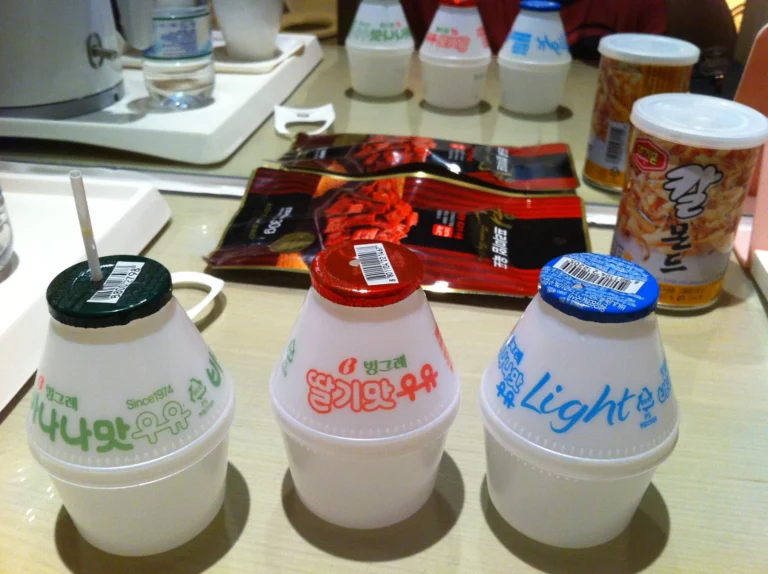
- Convenience store supplements: The hospital convenience store or nearby CU and GS25 stores sell halal-friendly items including banana milk plain rice balls fruit cups and yogurt that can supplement hospital meals.
- Specific items to avoid on hospital trays: Korean hospital meals typically include kimchi (contains fermented seafood) seasoned vegetables (may contain alcohol-based seasoning) soup (may be pork-broth based) and processed meat items. Ask the nurse to identify each dish on your tray and remove any that contain pork or alcohol.
Finding Halal-Friendly Pharmacies Near Key Locations
- Itaewon area pharmacies: Several pharmacies operate near Itaewon Station and the Seoul Central Mosque area. The pharmacists in this area are familiar with Muslim customers and can assist with gelatin-free medication requests. The pharmacy near Itaewon Station Exit 3 is the most commonly used by the local Muslim community.
- Hospital pharmacies: All major hospitals have attached pharmacies where prescriptions can be filled immediately. Hospital pharmacists can provide gelatin-free alternatives when available.
- Chain pharmacies: Korean pharmacy chains including Olive Young Pharmacy and W Pharmacy have locations throughout Seoul. Staff at tourist-area locations may speak English and can assist with medication inquiries.
▶ Find Pharmacies Near Itaewon on Naver Map
Emergency Situations — What to Do
Medical Emergency Protocol
- Call 119: The Korean emergency number for ambulance and fire services. Operators speak Korean but can connect to English interpretation services. State your location address and the nature of the emergency clearly. The operator will dispatch an ambulance to your location.
- Alternative: Call 1330: The tourist helpline provides multilingual assistance including English Arabic and other languages. They can coordinate emergency services on your behalf if you are struggling to communicate with the 119 operator.
- Go directly to the ER: If the situation is urgent but you can travel take a taxi to the nearest hospital emergency room. Korean taxi drivers understand the word “병원” (byeongwon — hospital) and “응급실” (eunggeupsil — emergency room). Say “병원으로 가주세요” (Please go to the hospital) or “응급실로 가주세요” (Please go to the emergency room).
- At the emergency room: Korean ERs operate 24 hours. Present your passport and insurance information at the registration desk. Emergency treatment is provided regardless of ability to pay — you will be treated first and billed later. The ER doctor will assess your condition and recommend treatment.
- Contact your embassy: For serious medical emergencies contact your country’s embassy or consulate in Seoul. Embassy staff can assist with medical referrals translation services and contacting family members.
Hospital Emergency Room Information for Key Areas
| Area | Nearest ER | Address | Phone | ER Hours |
|---|---|---|---|---|
| Itaewon / Hannam | Soonchunhyang University Hospital Seoul | 59 Daesagwan-ro Yongsan-gu | +82-2-709-9114 | 24 hours |
| Myeongdong / Jung-gu | Severance Hospital | 50-1 Yonsei-ro Seodaemun-gu | +82-2-2228-5800 | 24 hours |
| Gangnam | Samsung Medical Center | 81 Irwon-ro Gangnam-gu | +82-2-3410-2114 | 24 hours |
| Jamsil / Songpa | Asan Medical Center | 88 Olympic-ro 43-gil Songpa-gu | +82-2-3010-5001 | 24 hours |
| Hongdae / Mapo | Ewha Womans University Medical Center | 1071 Anyangcheon-ro Yangcheon-gu | +82-2-2650-5114 | 24 hours |
▶ Find Soonchunhyang Hospital Near Itaewon on Naver Map
Common Health Issues for Muslim Travelers in Korea
Food-Related Health Issues
- Accidental pork consumption: The most common health concern for Muslim travelers in Korea. If you accidentally consume pork the physical health impact is usually minimal for healthy adults. However the spiritual distress can be significant. Drink plenty of water rest and if symptoms of food poisoning develop (vomiting diarrhea fever) seek medical attention. Use this as a learning experience to identify which dish contained the hidden ingredient and be more vigilant at future meals.
- Korean food spiciness: Korean food is significantly spicier than most Middle Eastern South Asian and Southeast Asian cuisines. The capsaicin in Korean red pepper can cause stomach discomfort for travelers not accustomed to it. Gradually increase your spice tolerance rather than ordering the spiciest dishes on your first day.
- Water safety: Korean tap water is technically safe to drink but most Koreans prefer filtered or bottled water. Bottled water is widely available at convenience stores for 500 to 1,500 KRW. Carry a reusable water bottle and refill at filtered water dispensers available in many public buildings.
Weather-Related Health Issues
- Heat exhaustion during summer Ramadan: Muslim travelers fasting during Korean summer (July to August) face extreme heat and humidity. Symptoms include dizziness headache excessive sweating and nausea. If you experience these symptoms find air-conditioned shelter immediately. If symptoms are severe break your fast — preserving health is an Islamic priority. Korean convenience stores sell electrolyte drinks that rapidly restore hydration.
- Cold weather exposure during winter: Korean winters can cause frostbite on exposed skin especially ears fingers and toes. Muslim women wearing hijab should ensure the hijab covers the ears completely. Wear insulated waterproof boots and touchscreen-compatible gloves. Symptoms of frostbite include numbness and white or grayish-yellow skin on affected areas — seek warm shelter immediately.
- Yellow dust (hwangsa) respiratory issues: During March and April fine sand particles from China’s deserts can cause respiratory irritation especially for those with asthma or allergies. Check air quality forecasts daily and wear a face mask (available at any Korean convenience store for 1,000 to 2,000 KRW) on high-pollution days.
Over-the-Counter Medications Available in Korea
Korean pharmacies sell a wide range of over-the-counter medications for common ailments. The following table lists common conditions and available Korean medications that are gelatin-free in tablet form.
| Condition | Korean OTC Medication | Form | Gelatin-Free | Price Range |
|---|---|---|---|---|
| Headache/Fever | Tylenol (타이레놀) | Tablet | Yes — tablets are gelatin-free | 3,000 to 5,000 KRW |
| Cold symptoms | Contac (콘택) | Tablet | Check — some versions may have gelatin coating | 4,000 to 7,000 KRW |
| Stomach/digestion | Buscopan (부스코판) | Tablet | Yes — tablet form | 4,000 to 6,000 KRW |
| Diarrhea | Imodium (이모디움) | Capsule | No — gelatin capsule. Request tablet form alternative. | 5,000 to 8,000 KRW |
| Sore throat | Strepsils (스트렙실) | Lozenge | Yes — no gelatin in lozenges | 3,000 to 5,000 KRW |
| Allergy | Clarityne (클라리틴) | Tablet | Yes — tablet form | 5,000 to 8,000 KRW |
| Muscle pain | Voltafen (볼타펜) gel | Topical gel | Yes — topical application no gelatin | 5,000 to 10,000 KRW |
| Sunburn/Skin irritation | Panthenol (판테놀) cream | Topical cream | Yes — topical | 5,000 to 12,000 KRW |
Insurance Claim Process — How to Get Reimbursed
If you pay for medical treatment out-of-pocket in Korea and need to claim reimbursement from your travel insurance provider follow these steps to ensure smooth processing.
Documents Needed for Insurance Claims
- Medical receipt (진료비 영수증): The hospital provides an itemized receipt showing all charges. Request this from the hospital cashier after each visit. International clinics can provide receipts in English.
- Doctor’s diagnosis (진단서): Request a written diagnosis from the treating doctor. International clinics provide this in English. For Korean-only hospitals the tourist helpline (1330) can assist with translation.
- Prescription copy (처방전): Keep a copy of any prescriptions issued by the doctor. Pharmacies keep the original but can provide a photocopy upon request.
- Payment proof: Credit card statement or bank transfer receipt showing the payment amount.
- Passport copy: A copy of your passport information page to verify your identity.
- Insurance policy number: Have your policy number readily accessible. Store it in your phone notes and email.
Claim Submission Tips
- File claims immediately: Most insurance providers require claims to be filed within 24 to 72 hours of treatment. Contact your insurance company’s emergency hotline as soon as possible after receiving treatment.
- Keep all original documents: Do not discard any receipts or medical documents until your claim is fully processed. Korean hospitals can reissue documents but this requires a return visit and additional fees.
- Request English documents: At international clinics always request English versions of receipts and diagnoses. This eliminates translation delays in the claims process.
- Photograph everything: Take photos of all medical documents receipts and prescriptions as a backup. If original documents are lost during travel the photographs may be accepted by some insurance providers.
Mental Health and Spiritual Wellbeing While in Korea
Traveling or living abroad as a Muslim in a non-Muslim country can create feelings of isolation homesickness and spiritual fatigue — especially during extended stays. Korean healthcare includes mental health services that can support your wellbeing.
- Counseling services: Several English-speaking counselors and psychologists practice in Seoul. The International Clinic at Severance Hospital and the Seoul Global Center provide referrals to English-speaking mental health professionals.
- Community support: The Muslim community at the Seoul Central Mosque is the most important support network for Muslims in Korea. Regular attendance at Friday prayers and community events provides social connection spiritual nourishment and practical support from fellow Muslims who understand the challenges of living in Korea.
- Nature therapy: Korea’s mountains parks and rivers provide excellent natural spaces for spiritual reflection and mental restoration. Bukhansan National Park Namsan Mountain and the Han River parks are all accessible by public transportation from central Seoul and offer beautiful environments for quiet contemplation and du’a.
- Halal comfort food: When feeling homesick a meal at one of the Usadan-ro halal restaurants can provide emotional as well as physical nourishment. The familiar flavors of Pakistani Malaysian or Turkish cuisine offer a taste of home in the heart of Seoul.
Pre-Departure Health Checklist for Muslim Travelers to Korea
- Purchase travel insurance: Buy a policy with minimum 100,000 USD medical coverage before departure. Save the policy number and emergency hotline in your phone.
- Pack a medication kit: Bring a supply of your regular medications in original packaging with prescriptions. Include gelatin-free versions if available. Bring basic OTC medications for common ailments.
- Get required vaccinations: If traveling for Hajj or Umrah after Korea ensure your meningitis vaccination is current. Check COVID-19 vaccination requirements for Korean entry.
- Copy important documents: Photocopy your passport insurance policy and medical prescriptions. Store copies separately from originals and email digital copies to yourself.
- Download emergency apps: Install the 119 Korea Emergency app and save the tourist helpline number 1330 in your phone contacts.
- Know your blood type: In case of emergency transfusion knowing your blood type speeds up hospital treatment. If you do not know your blood type have it tested before traveling.
- Inform your insurance about pre-existing conditions: Declare any pre-existing medical conditions to your insurance provider before departure. Failure to declare conditions can void your coverage.
Frequently Asked Questions About Healthcare in Korea for Muslims
Do I need travel insurance to visit South Korea?
Travel insurance is not legally required for entry into South Korea but it is strongly recommended. Korean medical treatment for uninsured visitors can be expensive — a single emergency room visit can cost 50,000 to 300,000 KRW and a hospital stay can exceed 1,000,000 KRW per day. The cost of a travel insurance policy (15 to 150 USD depending on trip length) is minimal compared to the potential cost of uninsured medical treatment. Additionally some travel insurance policies cover trip cancellation lost luggage and emergency evacuation which provide additional peace of mind beyond medical coverage.
Can I find halal medication in Korea?
Korea does not have a halal pharmaceutical certification system so no medications in Korea are officially halal-certified. However the active ingredients in most medications are synthetically produced and are halal-compatible. The primary concern is the gelatin capsule shell used for many capsule-form medications. The solution is to request tablet-form (정) medications instead of capsule-form (캅셀) medications from your pharmacist. Tablets are pressed powder and contain no animal-derived ingredients. Korean pharmacists are accustomed to this request from Muslim customers and can usually provide tablet alternatives for most common medications.
What happens if I go to the hospital without insurance in Korea?
You will receive full medical treatment regardless of insurance status. Korean hospitals treat all emergency patients first and handle billing afterward. However you will be responsible for the full cost of treatment at the hospital cashier before discharge. If you cannot pay immediately the hospital may hold your passport as security (this is rare but possible) or arrange a payment plan. The best approach is to have travel insurance and present your insurance information at the registration desk — many hospitals can bill the insurance company directly for covered treatments.
Are there Muslim-friendly hospitals in Seoul?
While no hospital in Seoul is specifically designated as Muslim-friendly the international clinics at major hospitals (Severance Samsung Medical Center Seoul National University Hospital) are accustomed to serving patients from diverse religious and cultural backgrounds. The international clinic staff can accommodate halal dietary requests provide gelatin-free medication alternatives and arrange for a translator if needed. For Muslim travelers near the Itaewon area the Soonchunhyang University Hospital Seoul in Yongsan-gu is the closest major hospital with a 24-hour emergency room and is familiar with serving the local Muslim community.
How do I call an ambulance in Korea?
Call 119 for ambulance services. The operator speaks Korean but can connect to English interpretation. State your location clearly — if you are in a well-known area mention the nearest landmark subway station or hotel name. If you cannot communicate in Korean call the tourist helpline at 1330 and they will coordinate the ambulance dispatch on your behalf. Ambulance response time in Seoul is typically 5 to 15 minutes. Ambulance transport to the hospital is free of charge in Korea — you only pay for the medical treatment received at the hospital.
Can I bring my own medication into Korea?
Yes. You can bring personal medications into Korea for personal use. Carry medications in their original packaging with pharmacy labels intact. Bring a doctor’s prescription or letter confirming the medications are for your personal medical use. Korean customs allows up to 3 months supply of most medications. Certain controlled substances may require prior approval from the Korean Ministry of Food and Drug Safety — check before traveling if you take any controlled medications such as strong painkillers or psychiatric medications.
Is Korean dental care affordable for tourists?
Korean dental care is high quality and significantly more affordable than in Western countries even without insurance. A basic dental checkup costs approximately 20,000 to 40,000 KRW. A dental cleaning costs approximately 50,000 to 80,000 KRW. A simple filling costs approximately 50,000 to 100,000 KRW. Many dental clinics in tourist areas like Gangnam Myeongdong and Itaewon have English-speaking dentists who regularly treat foreign patients. For dental emergencies during your trip visit any dental clinic (치과 — chigwa) without an appointment — most accept walk-in emergency patients.
What should I do if I accidentally eat non-halal food and feel sick?
If you experience physical symptoms after accidentally consuming non-halal food — such as nausea vomiting diarrhea or stomach cramps — drink plenty of water and rest. If symptoms persist for more than 24 hours or are severe (high fever bloody stool persistent vomiting) seek medical attention at the nearest hospital emergency room. The physical reaction is typically a food sensitivity response rather than a halal-specific issue. For the spiritual aspect perform istighfar (seeking forgiveness from Allah) and remember that accidental consumption does not carry sin in Islam. Use the experience to reinforce your food verification practices for future meals.
Your health is an amanah — a trust from Allah — and protecting it during your time in Korea is both a practical necessity and a religious responsibility. South Korea’s world-class healthcare system ensures that excellent medical care is always accessible whether you need a pharmacy for a headache medication or an emergency room for a serious condition. The Muslim-specific considerations — gelatin-free capsules halal dietary accommodation hospital food alternatives and finding healthcare providers who understand your religious needs — are manageable challenges once you know the system. Carry your travel insurance documents download the emergency numbers pack your personal medication supply and step into Korea with the confidence that your health is protected by one of the world’s finest healthcare systems combined with the knowledge to navigate it in a halal-conscious way. Bismillah — travel safely.
#KoreaTravelInsurance #MuslimHealthcareKorea #SeoulHospitalGuide #KoreaHealthInsurance #TravelInsuranceKorea #MuslimMedicalKorea #SeoulEmergencyServices #HalalMedicationKorea #KoreaHealthcareMuslim #SeoulHospitalInternational #GelatinFreeMedicine #MuslimEmergencyKorea #KoreanHealthcareGuide #SeoulDoctorsEnglish #KoreaMedicalTourism #MuslimPatientKorea #TravelHealthSeoul #KoreaInsuranceGuide #SeoulERGuide #KoreaMedicalGuideMuslims
Explore Korea by topic
Choose a focused next step for Korea travel, halal food, prayer planning, or transport.
Explore more published guides
Keep planning with more published Muslim travel guides. New cards appear as you reach the end, or choose to load the next set.
 Halal talkAlbany Airport Interfaith Prayer Room: Muslim Traveler GuideRepresentative image: Interior of Albany International Airport terminal. It does not show the Interfaith Prayer Room. Photo by…Open guide
 Halal talkLangkawi International Airport Prayer Rooms (LGK): Surau, Parking & GuideLangkawi International Airport (LGK) officially provides Muslim Prayer Rooms in the Public Concourse and Domestic Departure Hall. The…Open guide
 Halal talkBrisbane Airport Prayer Rooms: Muslim Traveler GuideRepresentative image: Brisbane Airport Domestic Terminal. It does not show the Prayer Room. Photo by King Eliot, CC0…Open guide
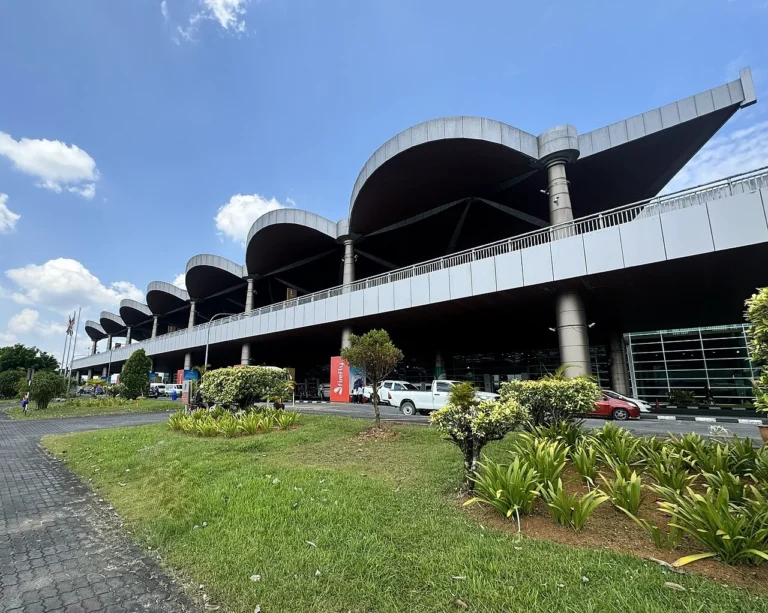 Halal talkKuching International Airport Prayer Rooms (KCH): Levels 1–3, Parking & GuideKuching International Airport (KCH) officially provides Muslim Prayer Rooms at Level 1 East and West Wing, Level 2…Open guide
 Halal talkNarita Airport Prayer Rooms: Muslim Traveler GuideRepresentative image: Narita International Airport Terminal 2 departure lobby. It does not show a Prayer Room. Photo by…Open guide
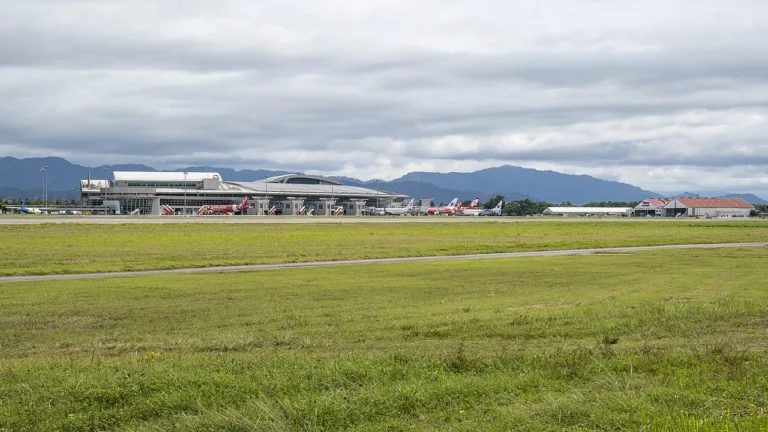 Halal talkKota Kinabalu International Airport Prayer Rooms (BKI): Gates 2 & 9, Parking & GuideKota Kinabalu International Airport (BKI) officially provides Muslim Prayer Rooms at Level 1 Public Concourse, Level 2 Departure…Open guide
 Halal talkDenver Airport Interfaith Chapel and Masjid: Muslim Prayer GuideRepresentative image: Jeppesen Terminal at Denver International Airport. It does not show the Interfaith Chapel or Masjid. Photo…Open guide
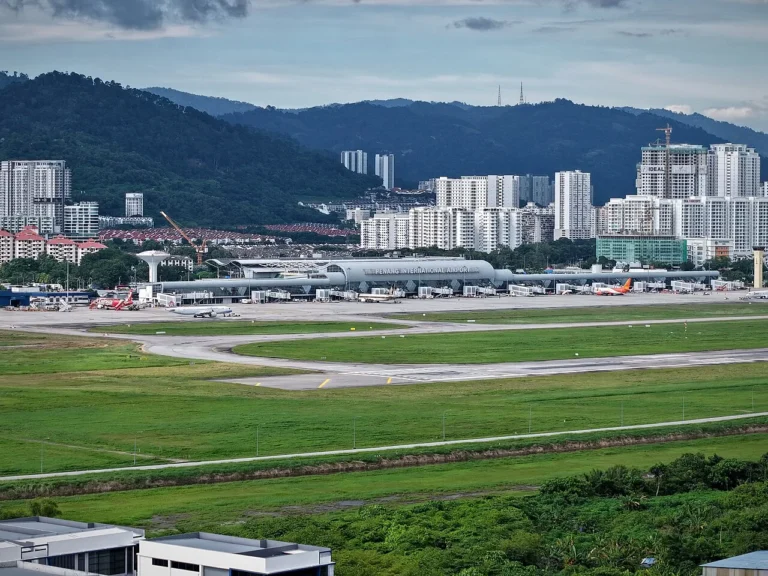 Halal talkPenang International Airport Prayer Rooms (PEN): Surau, Parking & Arrival GuidePenang International Airport (PEN) officially provides Muslim Prayer Rooms in Domestic Departure, International Departure, the VIP Room and…Open guide
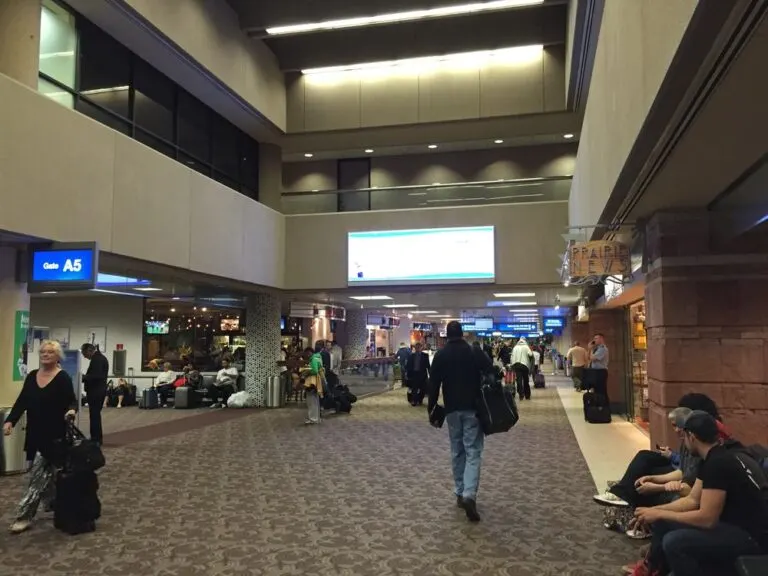 Halal talkPhoenix Sky Harbor Compassion Corner Chapel: Muslim Prayer GuideRepresentative image: Phoenix Sky Harbor International Airport Terminal 4. It does not show the Compassion Corner Chapel. Photo…Open guide