Korean Weather Guide for Muslim Travelers — What to Wear Each Season Modest Clothing Tips
Korean Weather Guide for Muslim Travelers — What to Wear Each Season and Stay Comfortable in Modest Clothing
Understanding Korean weather before your trip is one of the most overlooked yet critically important aspects of travel preparation for Muslim visitors. South Korea experiences four dramatically distinct seasons — from sub-zero winters where temperatures plunge to minus 15 degrees Celsius to sweltering summers that exceed 38 degrees with oppressive humidity. For Muslim travelers committed to modest dressing each season presents unique challenges: how to layer hijab-friendly outfits in bitter cold how to stay covered without overheating in tropical humidity and how to prepare for Korea’s unpredictable spring and autumn transitional weather that can shift 15 degrees in a single day. This complete seasonal guide covers monthly temperature ranges rainfall patterns packing recommendations and modest clothing strategies so you arrive in Seoul dressed appropriately for whatever weather awaits.
Seoul Climate Overview — Four Seasons Explained
Seoul’s continental climate is defined by extreme seasonal swings that surprise travelers from tropical equatorial or Mediterranean climates. The Korean Peninsula sits at a latitude similar to southern France or northern California but its position between the Siberian landmass and the Pacific Ocean creates temperature extremes far beyond what those Western locations experience. Understanding the basic rhythm of Korean seasons helps you pack and plan with confidence.
| Season | Months | Temperature Range | Rainfall | Key Weather Characteristic |
|---|---|---|---|---|
| Spring | March to May | 5 to 22 degrees Celsius | Low to moderate | Cherry blossoms in April rapid warming dry winds occasional yellow dust from China |
| Summer | June to August | 22 to 38 degrees Celsius | Very high (monsoon) | Extreme humidity heavy rain in late June and July tropical nights in August |
| Autumn | September to November | 5 to 25 degrees Celsius | Low | Crisp air brilliant fall foliage clear skies — best season for outdoor sightseeing |
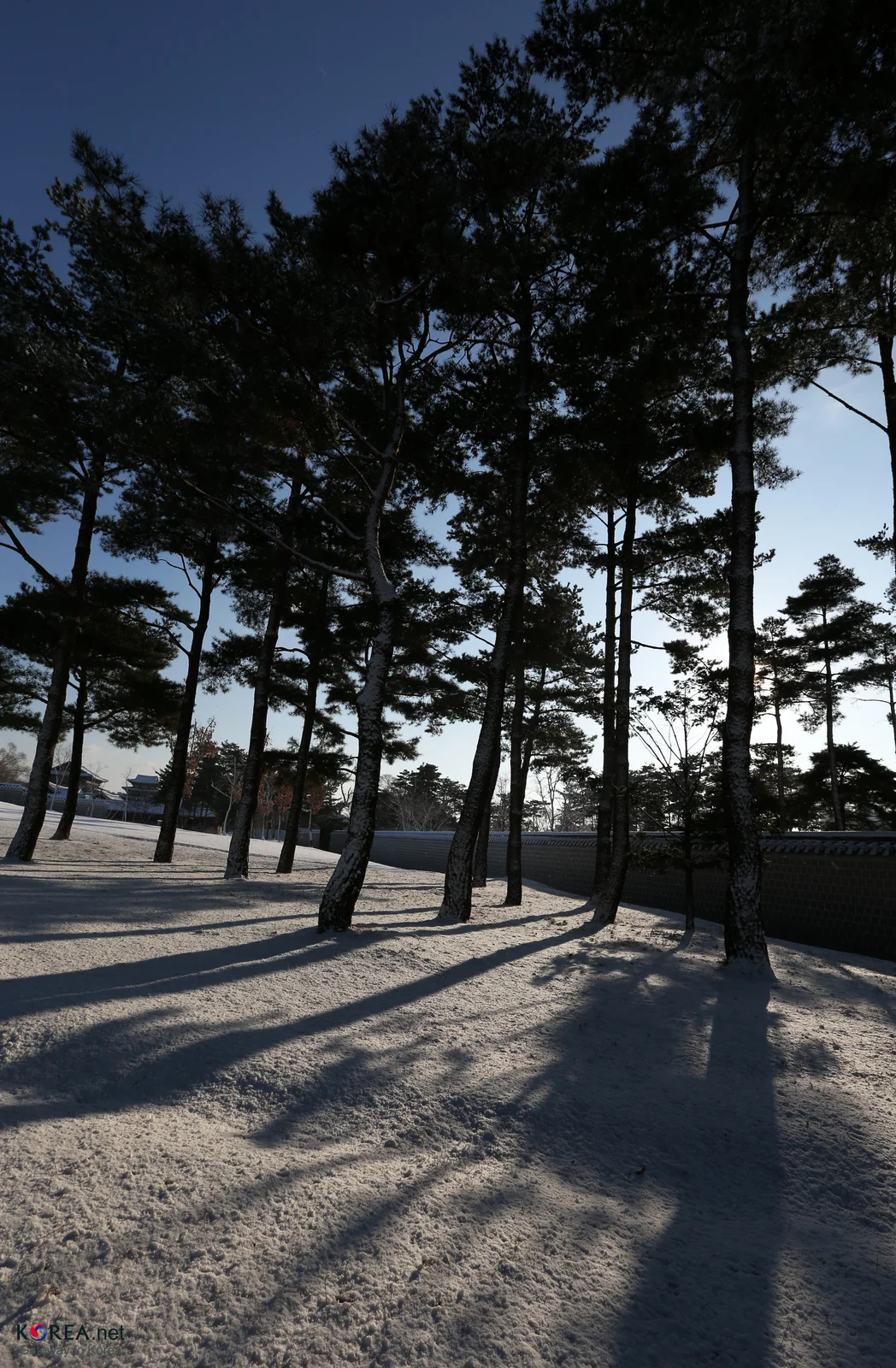
| Winter | December to February | Minus 15 to 5 degrees Celsius | Low (occasional snow) | Biting Siberian winds dry air occasional heavy snowfall strong indoor heating |
Spring in Korea (March to May) — Layers Are Everything
Spring is one of the most popular seasons for Muslim travelers visiting Korea thanks to cherry blossom season in April and comfortable temperatures that make outdoor sightseeing enjoyable. However Korean spring weather is notoriously unpredictable — a warm sunny morning can turn into a chilly rainy afternoon within hours.
Monthly Spring Breakdown
| Month | Average High | Average Low | Conditions | Hijab and Clothing Notes |
|---|---|---|---|---|
| March | 10 degrees | 0 degrees | Cold mornings mild afternoons occasional snow | Warm coat wool hijab thermal undergarments still necessary |
| April | 17 degrees | 6 degrees | Cherry blossoms mild days cool evenings | Light jacket cardigan cotton hijab comfortable walking weather |
| May | 22 degrees | 12 degrees | Warm days pleasant evenings occasional rain | Light layers long-sleeve tops without heavy coat chiffon hijab |
Modest Spring Clothing Recommendations
- Layering system: The key to Korean spring dressing is removable layers. Start with a base layer (long-sleeve cotton top) add a mid-layer (cardigan or light sweater) and finish with an outer layer (windproof jacket). Remove layers as the day warms up and add them back as evening temperatures drop.
- Hijab fabric: Cotton and jersey hijabs work best in spring — they stay in place during Korea’s breezy spring winds without requiring excessive pinning. Avoid silk hijabs in spring as they slip off easily in wind.
- Bottom garments: Long trousers with tights underneath for March. Wide-leg pants or maxi skirts for April and May. Dark colors hide dust stains from Korea’s occasional yellow dust (hwangsa) storms that blow in from China’s Gobi Desert in March and April.
- Footwear: Closed-toe comfortable walking shoes are essential for March and April. Breathable sneakers or walking sandals work for late May. Waterproof shoes are recommended for April showers.
- Essential accessory: A compact umbrella is a must — spring rain in Korea arrives suddenly and can last for hours. Buy one at any convenience store for approximately 3,000 to 5,000 KRW if you forget yours.
Yellow Dust (Hwangsa) Advisory
During March and April Korea occasionally experiences yellow dust storms — fine sand particles carried by wind from China’s deserts that create hazy skies and reduce air quality. Muslim travelers who pray outdoors or walk to the mosque should check air quality forecasts on days when hwangsa warnings are issued and consider wearing a face mask during outdoor walks. The Korean Meteorological Administration issues yellow dust advisories through weather apps and news broadcasts.
Summer in Korea (June to August) — Surviving Heat and Humidity in Modest Clothing
Korean summer is the most challenging season for modestly dressed Muslim travelers. Temperatures exceeding 35 degrees Celsius combined with humidity levels above 80 percent create a tropical heat that makes wearing long sleeves and full-length garments genuinely difficult. However with the right fabric choices and strategic planning modest dressing in Korean summer is entirely achievable.
Monthly Summer Breakdown
| Month | Average High | Average Low | Conditions | Hijab and Clothing Notes |
|---|---|---|---|---|
| June | 27 degrees | 18 degrees | Warm and humid monsoon rains begin late June | Light breathable fabrics rain gear essential |
| July | 29 degrees | 22 degrees | Peak monsoon season — heavy rain for 2 to 3 weeks | Waterproof layers moisture-wicking everything |
| August | 30 degrees | 23 degrees | Post-monsoon extreme heat tropical nights above 25 degrees | Lightest possible modest clothing linen and cotton only |
Modest Summer Clothing Recommendations
- Fabric is critical: In Korean summer the fabric of your clothing matters more than the style. Linen cotton and bamboo-derived fabrics breathe and absorb sweat. Synthetic polyester traps heat and creates discomfort. Prioritize natural fiber garments even if they wrinkle more easily.
- Loose-fitting silhouettes: Tight clothing in Korean summer heat creates a greenhouse effect on the body. Loose maxi dresses wide-leg palazzo pants and oversized long-sleeve tops allow air circulation between fabric and skin. This modest approach actually keeps you cooler than tight-fitting clothing.
- Light colors: White cream beige light blue and pastel colors reflect sunlight and absorb less heat than black navy or dark brown. Summer is the one season where shifting your modest wardrobe toward lighter colors has a measurable impact on comfort.
- Hijab strategy: Lightweight chiffon and cotton voile hijabs are the summer standard. Under-scarf caps should be breathable mesh or bamboo fabric rather than tight cotton. Consider turban-style wrapping that exposes the neck area for maximum airflow while maintaining hair coverage.
- Sleeve solutions: If full-length sleeves feel unbearable in extreme heat wear a loose three-quarter sleeve top — this covers the elbow which satisfies most interpretations of Islamic modesty requirements while allowing some airflow to the forearms.
- Indoor air conditioning: Korean buildings shopping malls and subway trains are aggressively air-conditioned during summer. Carry a lightweight cardigan or kimono to throw over your shoulders when entering freezing indoor spaces from the hot outdoors. The temperature difference between outside (35 degrees) and inside (22 degrees) can be jarring.
Korean Monsoon Season (Jangma)
The Korean monsoon season called jangma typically arrives in late June and lasts through mid to late July bringing heavy persistent rainfall that can last for days. During jangma streets flood sidewalks become rivers and outdoor sightseeing becomes extremely challenging. Muslim travelers visiting during this period must prepare waterproof outerwear waterproof bags for protecting prayer mats and electronics and indoor backup plans for days when outdoor activities are impossible.
- Rain gear essentials: A waterproof jacket with a hood (not just an umbrella) waterproof shoes or rubber sandals and a waterproof bag cover for your daypack. Korean convenience stores sell disposable raincoats for approximately 2,000 to 3,000 KRW.
- Prayer mat protection: Keep your prayer mat in a waterproof pouch or zip-lock bag during monsoon season to prevent it from getting soaked during transit.
- Indoor alternatives: On heavy rain days visit indoor attractions like the National Museum of Korea COEX Aquarium Lotte World Indoor Park or Korean jjimjilbang (spa) — all accessible by subway without walking outdoors.
Autumn in Korea (September to November) — The Best Season for Muslim Travelers
Autumn is widely considered the best season to visit Korea and this assessment holds especially true for modestly dressed Muslim travelers. The weather is dry temperatures are comfortable and the spectacular fall foliage creates a beautiful backdrop for sightseeing. Autumn also coincides with several Islamic calendar events making it a spiritually meaningful time to visit.
Monthly Autumn Breakdown
| Month | Average High | Average Low | Conditions | Hijab and Clothing Notes |
|---|---|---|---|---|
| September | 26 degrees | 17 degrees | Warm early autumn residual humidity fading | Similar to late spring — light layers cotton hijab |
| October | 19 degrees | 9 degrees | Cool crisp air peak fall foliage | Cardigan light jacket wool-blend hijab comfortable walking weather |
| November | 11 degrees | 2 degrees | Cold mornings and evenings dry air early winter feel | Warm coat scarf gloves for evening — layered daytime outfit |
Modest Autumn Clothing Recommendations
- September layers: Long-sleeve tops with a light cardigan for air-conditioned indoor spaces and a light outer layer for cooler evenings. Cotton hijabs in autumn colors (burgundy olive mustard) match the seasonal aesthetic.
- October essentials: The most comfortable month for modest dressing — long sleeves and full-length trousers are pleasant without any heat discomfort. A medium-weight jacket for mornings and evenings. Wool-blend or jersey hijabs that provide warmth without bulk.
- November layers: Transitioning into winter mode — thermal undergarments become necessary. A warm coat gloves and a thicker scarf that can double as hijab on the coldest days. Closed-toe boots replace sneakers.
- Fall foliage photography: If you plan to photograph the spectacular autumn leaves at parks like Namsan Mountain Bukhansan National Park or Changdeokgung Palace garden wear modest outfits in colors that complement the red orange and gold foliage — cream navy and burgundy photograph beautifully against autumn leaves.
Best Autumn Outdoor Locations for Muslim Travelers
- Namsan Mountain and N Seoul Tower: Spectacular 360-degree views of Seoul surrounded by autumn colors. Accessible by cable car from Myeongdong or by walking trail from Itaewon area. Prayer can be performed at the base station before or after the cable car ride.
- Changdeokgung Palace Secret Garden: The most beautiful autumn foliage site in Seoul. Guided tours available. Located near Anguk Station Line 3. Halal Kitchen restaurant is a 7-minute walk from the palace for a post-visit halal meal.
- Bukhansan National Park: Seoul’s premier hiking destination with stunning autumn mountain views. Multiple trail difficulties available. Pack prayer mat for performing Asr prayer at the mountain summit — one of the most memorable prayer locations in Seoul.
- Seoul Forest: A large public park in Seongsu-dong with walking trails gardens and autumn foliage. Free admission. Excellent for a modest family outing.
▶ Find Changdeokgung Palace on Naver Map for Autumn Foliage Visit
Winter in Korea (December to February) — Staying Warm While Maintaining Modesty
Korean winter is the most physically demanding season for Muslim travelers. Siberian winds sweep across the peninsula bringing bone-chilling temperatures that regularly drop below minus 10 degrees Celsius. Wind chill factors can make it feel like minus 20 or colder. For Muslim women wearing hijab and modest clothing winter requires careful preparation to maintain both warmth and religious covering.
Monthly Winter Breakdown
| Month | Average High | Average Low | Conditions | Hijab and Clothing Notes |
|---|---|---|---|---|
| December | 3 degrees | Minus 5 degrees | Cold dry occasional snow Christmas atmosphere | Heavy coat wool hijab thermal layers warm boots |
| January | 1 degree | Minus 7 degrees | Coldest month heavy snow possible wind chill severe | Maximum winter gear — down coat scarf gloves ear protection |
| February | 4 degrees | Minus 4 degrees | Cold but slowly warming late month cherry blossom buds appear | Same as January with lighter layers by late February |
Modest Winter Clothing Recommendations
- Long down coat: The single most important winter purchase for modest Muslim women in Korea. A full-length down coat that reaches below the knee provides both extreme warmth and modest body coverage. Korean brands like Uniqlo and The North Face sell long down coats at their Seoul stores. Budget approximately 100,000 to 300,000 KRW.
- Thermal base layers: Uniqlo Heattech innerwear is the gold standard for Korean winter base layers. The ultra-warm edition provides significant insulation while being thin enough to wear invisibly under modest clothing. Purchase at any Uniqlo store in Seoul for approximately 15,000 to 25,000 KRW per piece.
- Wool hijab: Replace lightweight summer chiffon hijabs with wool cashmere or heavy jersey hijabs that provide warmth around the head neck and ears. Wrap the hijab to cover the ears completely — exposed ears in Korean winter wind can become painfully cold within minutes.
- Scarf and hijab combination: For the coldest days wear a thick wool scarf around the neck first then wrap your hijab over the scarf for double-layered neck and head warmth. This combination eliminates the gap between coat collar and hijab where cold air enters.
- Warm socks and boots: Korean winters require insulated waterproof boots with thick wool or thermal socks. Ankle boots are insufficient — choose mid-calf or knee-high boots that cover the ankle and lower leg completely. Korean shoe stores like ABC Mart and Shoemarker sell winter boots at all price points.
- Gloves: Touchscreen-compatible gloves allow you to use your phone for navigation prayer apps and translation without removing gloves in freezing temperatures. Available at Daiso and convenience stores for 5,000 to 15,000 KRW.
- Ear protection: If your hijab does not fully cover your ears add a thin fleece ear band underneath your hijab for additional protection against wind chill.
Indoor Heating — The Korean Winter Advantage
Korean buildings are heated aggressively during winter. The indoor temperature in most Korean buildings restaurants shops and subway trains is maintained at approximately 22 to 25 degrees Celsius even when it is minus 10 outside. This extreme indoor-outdoor temperature difference has practical implications for Muslim travelers. You will need to shed heavy winter layers quickly upon entering buildings and put them back on when leaving. The layering system becomes essential — thermal base layer plus sweater plus removable heavy coat rather than a single massive garment that you cannot adjust.
Wudu (Ablution) in Korean Winter
Performing wudu with cold water in Korean winter is one of the most common complaints among Muslim residents and visitors. The water from cold taps during January can be near freezing temperature making the ritual washing of hands face and feet genuinely painful. Solutions include:
- Use warm water: Most Korean bathrooms have a single faucet that mixes hot and cold water. Adjust the tap to warm temperature before performing wudu.
- Seoul Central Mosque wudu facilities: The mosque provides heated water in the ablution rooms during winter months. If you are near the mosque this is the most comfortable option.
- Hotel wudu: Adjust the hotel bathroom tap to warm water temperature before performing wudu. The hotel room provides the most comfortable private wudu environment during winter.
- Tayammum (dry ablution): If water is genuinely too cold and you have health concerns about cold water exposure tayammum using clean earth or a clean surface is an acceptable alternative under Islamic jurisprudence for specific conditions.
Month-by-Month Weather and Clothing Quick Reference
| Month | Temp Range | Key Event | Modest Clothing Summary | Hijab Fabric |
|---|---|---|---|---|
| January | Minus 7 to 1 | Coldest month | Full winter gear thermal layers down coat boots gloves | Wool cashmere heavy jersey |
| February | Minus 4 to 4 | Lunar New Year | Same as January lighter by month end | Wool jersey |
| March | 0 to 10 | Spring begins yellow dust | Winter to spring transition layers warm jacket | Wool blend cotton |
| April | 6 to 17 | Cherry blossoms | Light jacket cardigan comfortable walking clothes | Cotton jersey |
| May | 12 to 22 | Warm spring | Light layers no heavy coat needed | Cotton chiffon |
| June | 18 to 27 | Monsoon begins late month | Light breathable rain gear on standby | Cotton voile chiffon |
| July | 22 to 29 | Peak monsoon extreme rain | Waterproof everything moisture-wicking fabrics | Lightweight chiffon mesh |
| August | 23 to 30 | Hottest month tropical nights | Lightest modest clothing linen cotton loose fits | Ultra-light chiffon bamboo |
| September | 17 to 26 | Autumn begins | Light layers similar to May | Cotton chiffon |
| October | 9 to 19 | Peak fall foliage | Cardigan light jacket long sleeves | Jersey wool blend |
| November | 2 to 11 | Late autumn cold begins | Warm coat layers transition to winter | Wool jersey |
| December | Minus 5 to 3 | Winter begins Christmas | Heavy coat thermal layers boots gloves | Wool cashmere |
Where to Buy Modest Winter Clothing in Seoul
If you arrive in Seoul unprepared for the cold or need to upgrade your modest wardrobe the following stores offer clothing that works well for Muslim women seeking warmth with modesty.
- Uniqlo: Multiple locations throughout Seoul. The Heattech innerwear line provides invisible warmth under any outfit. Long down coats loose-fit trousers and turtleneck base layers are modest-friendly. Prices: Heattech tops 15,000 to 25,000 KRW. Down coats 100,000 to 200,000 KRW.
- Dongdaemun Market: Seoul’s massive wholesale fashion market sells affordable winter coats scarves thermal clothing and modest-friendly garments at wholesale prices. Open late into the night. Prices: Winter coats 30,000 to 100,000 KRW. Scarves 5,000 to 15,000 KRW.
- Namdaemun Market: Traditional market near Myeongdong selling affordable winter accessories gloves hats scarves and thermal socks. Prices: Gloves 5,000 to 15,000 KRW. Thermal socks 3,000 to 8,000 KRW.
- Itaewon Usadan-ro shops: Some shops near Seoul Central Mosque carry modest clothing imported from Muslim-majority countries including abayas long dresses and hijab-friendly winter garments.
- Daiso: Korea’s 1,000 to 5,000 KRW variety store chain. Sells compact umbrellas thermal scarves ear bands touchscreen gloves and other winter accessories at extremely low prices.
▶ Find Dongdaemun Market on Naver Map for Affordable Winter Clothing
Prayer-Specific Weather Tips
Praying Outdoors in Different Seasons
- Spring outdoor prayer: Comfortable temperatures make spring ideal for outdoor prayers at parks or scenic locations. Watch for yellow dust days when air quality is poor — pray indoors on these days.
- Summer outdoor prayer: Avoid prolonged outdoor prayer during midday heat (12:00 to 3:00 PM). Perform Dhuhr and Asr prayers in air-conditioned indoor spaces. If praying outdoors seek shaded areas and limit prayer to 2 to 3 minutes.
- Autumn outdoor prayer: The best season for outdoor prayers. Comfortable temperatures clear skies and beautiful scenery make autumn outdoor prayer a spiritually uplifting experience. Morning Fajr prayers outdoors during October are particularly beautiful as the sun rises over golden autumn foliage.
- Winter outdoor prayer: Avoid outdoor prayer in winter when temperatures drop below zero. Perform all prayers indoors at mosques hotels or heated public spaces. If outdoor prayer is unavoidable use the thickest prayer mat available and wear all winter gear including gloves (hand placement on the ground with bare hands in sub-zero temperatures is dangerous for skin).
Prayer Mat Considerations by Season
- Summer: Thin lightweight travel prayer mats are ideal — thick mats trap heat and become uncomfortable on hot surfaces.
- Winter: Thicker padded prayer mats provide insulation between your body and cold floors. If using a thin travel mat double it over for extra insulation.
- Rainy season: Keep your prayer mat in a waterproof bag to prevent moisture damage. Moisture trapped in prayer mats can develop mold within 24 hours in Korean summer humidity.
Footwear Guide for Muslim Travelers by Season
Footwear is especially important for Muslim travelers because shoes must be removed frequently at mosques traditional restaurants and some cultural sites. Easy on-and-off shoes save significant time and frustration throughout the day.
| Season | Recommended Footwear | Key Considerations |
|---|---|---|
| Spring | Slip-on sneakers comfortable walking shoes | Waterproof options for April rain. Easy to remove at mosques. |
| Summer | Breathable sandals open-toe slip-ons | Quick-drying materials for monsoon rain. Sandals are easiest for mosque shoe removal. |
| Autumn | Ankle boots comfortable sneakers | Non-slip soles for wet fallen leaves on paths. Comfortable for hiking at Namsan and Bukhansan. |
| Winter | Insulated waterproof boots with warm socks | Mid-calf height for snow protection. Must still be easy to remove at mosques — choose zip or slip-on styles over lace-up boots. |
Frequently Asked Questions About Korean Weather for Muslim Travelers
What is the best season to visit Korea as a Muslim traveler?
October is widely considered the single best month for Muslim travelers visiting Korea. The weather is comfortable (9 to 19 degrees Celsius) the air is dry and clear fall foliage is at its peak and long sleeves with a light jacket create the ideal modest outfit without any heat or cold discomfort. April is the second-best month with cherry blossoms and mild temperatures though the weather is less predictable and yellow dust can occasionally affect air quality.
How do I stay cool wearing hijab in Korean summer heat?
Switch to ultra-lightweight chiffon or bamboo-fabric hijabs that allow maximum airflow. Use a breathable mesh under-cap instead of tight cotton. Wrap the hijab loosely rather than tightly around the face and neck. Choose light colors that reflect heat. Stay hydrated by carrying a water bottle at all times and take breaks in air-conditioned spaces (Korean convenience stores cafes and shopping malls) every 30 to 45 minutes during outdoor sightseeing in July and August.
Do I need winter boots in Seoul or can I manage with regular shoes?
If you visit Seoul between December and February winter boots are strongly recommended. Korean sidewalks and streets can be icy and slippery especially after snowfall. Regular shoes lack the insulation and traction needed for safe comfortable walking in Korean winter conditions. If you arrive without winter boots purchase a pair at ABC Mart (approximately 50,000 to 100,000 KRW) or Dongdaemun Market (approximately 30,000 to 60,000 KRW) upon arrival.
Is the monsoon season a bad time to visit Korea?
The monsoon season (late June through July) is the least comfortable time to visit Korea for outdoor activities due to persistent heavy rain and extreme humidity. However indoor activities shopping museums and restaurant dining are unaffected by rain. If you can only visit during monsoon season pack excellent rain gear plan indoor-heavy itineraries and embrace the experience — Korea’s rainy season has its own atmospheric beauty with misty mountains lush green landscapes and fewer tourist crowds at indoor attractions.
What should I do about prayer clothing in extreme heat?
Islamic jurisprudence provides flexibility in extreme conditions. In Korean summer heat exceeding 35 degrees Celsius with high humidity scholars generally agree that maintaining modesty in spirit is more important than suffering heat exhaustion through overly restrictive clothing. Wear the loosest lightest most breathable garments that still cover the body appropriately. A loose linen long-sleeve top and wide-leg cotton pants provide full modest coverage while allowing airflow. If you feel dizzy or overheated seek air-conditioned shelter immediately — health preservation is an Islamic priority.
Can I buy hijab-friendly clothing in Korean stores?
Mainstream Korean fashion stores tend toward shorter tighter styles but some options work for modest dressing. Uniqlo carries turtlenecks long-sleeve basics Heattech thermal layers and loose-fit pants that serve as excellent modest wardrobe foundations. MUJI offers similar basics with a more relaxed Japanese aesthetic. Dongdaemun Market and Namdaemun Market sell long skirts maxi dresses and oversized blouses at affordable prices. For purpose-built modest clothing including abayas and hijab-friendly dresses shop online before your trip or visit the Usadan-ro shops near Seoul Central Mosque which carry imported modest garments.
How do I protect my skin from sun damage while wearing hijab?
The hijab actually provides excellent sun protection for the covered areas of your body. Focus sunscreen application on your face hands and any exposed skin at the wrists and ankles. Korean pharmacies (yakguk) and beauty stores like Olive Young stock a wide variety of sunscreens. Choose alcohol-free formulations if you prefer — several Korean sunscreens use physical mineral blockers rather than alcohol-based chemical filters. Reapply sunscreen every 2 hours during extended outdoor sightseeing especially in summer when UV radiation is intense.
Korean weather is not an obstacle to modest dressing — it is a design challenge that once solved makes your travel experience significantly more comfortable and confident. Spring layering summer fabric choices autumn simplicity and winter insulation each require a slightly different approach but all share the same principle: choose natural fabrics wear loose silhouettes layer for adjustability and prioritize breathability. Pack according to the season of your visit use the month-by-month reference table in this guide and supplement your wardrobe at Korean stores like Uniqlo and Dongdaemun Market if you arrive underprepared. The weather will change but your commitment to modest comfortable dignified dressing does not have to waver — Korea’s four seasons simply require four versions of the same beautiful approach.
#KoreanWeatherGuide #MuslimTravelKoreaWeather #WhatToWearKoreaSpring #SeoulSummerModestClothing #KoreaWinterHijabTips #ModestClothingKorea #SeoulWeatherByMonth #HijabKoreanWeather #KoreaTravelClothingGuide #MuslimFashionSeoul #SeoulCherryBlossomModest #KoreaMonsoonMuslimTravel #SeoulWinterModestDress #KoreaAutumnFoliageOutfit #SeoulSummerHeatHijab #KoreanWeatherPackingList #ModestWardrobeKorea #KoreaSeasonalClothing #MuslimTravelWeatherSeoul #SeoulClimateModestClothingGuide
Explore Korea by topic
Choose a focused next step for Korea travel, halal food, prayer planning, or transport.
Explore more published guides
Keep planning with more published Muslim travel guides. New cards appear as you reach the end, or choose to load the next set.
 Halal talkLangkawi International Airport Prayer Rooms (LGK): Surau, Parking & GuideLangkawi International Airport (LGK) officially provides Muslim Prayer Rooms in the Public Concourse and Domestic Departure Hall. The…Open guide
 Halal talkBrisbane Airport Prayer Rooms: Muslim Traveler GuideRepresentative image: Brisbane Airport Domestic Terminal. It does not show the Prayer Room. Photo by King Eliot, CC0…Open guide
 Halal talkKuching International Airport Prayer Rooms (KCH): Levels 1–3, Parking & GuideKuching International Airport (KCH) officially provides Muslim Prayer Rooms at Level 1 East and West Wing, Level 2…Open guide
 Halal talkNarita Airport Prayer Rooms: Muslim Traveler GuideRepresentative image: Narita International Airport Terminal 2 departure lobby. It does not show a Prayer Room. Photo by…Open guide
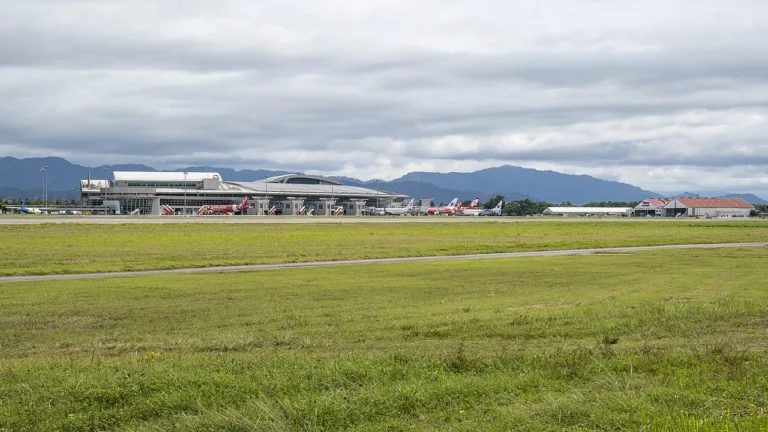 Halal talkKota Kinabalu International Airport Prayer Rooms (BKI): Gates 2 & 9, Parking & GuideKota Kinabalu International Airport (BKI) officially provides Muslim Prayer Rooms at Level 1 Public Concourse, Level 2 Departure…Open guide
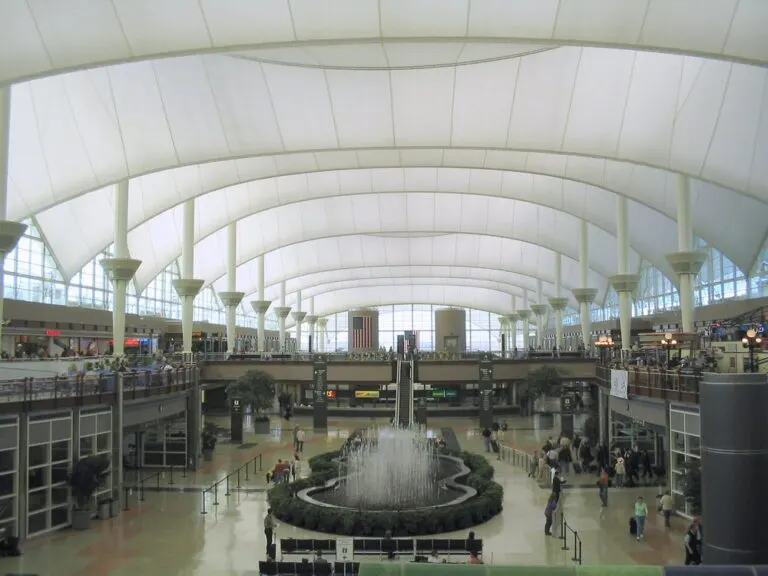 Halal talkDenver Airport Interfaith Chapel and Masjid: Muslim Prayer GuideRepresentative image: Jeppesen Terminal at Denver International Airport. It does not show the Interfaith Chapel or Masjid. Photo…Open guide
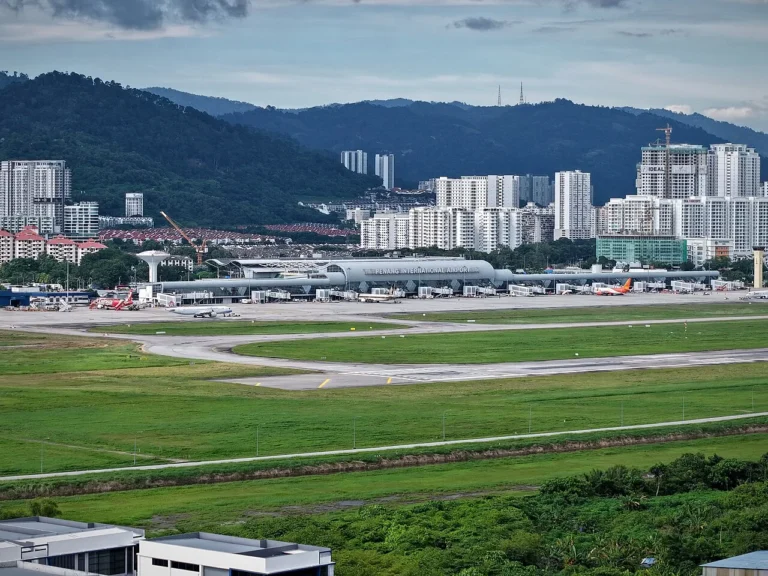 Halal talkPenang International Airport Prayer Rooms (PEN): Surau, Parking & Arrival GuidePenang International Airport (PEN) officially provides Muslim Prayer Rooms in Domestic Departure, International Departure, the VIP Room and…Open guide
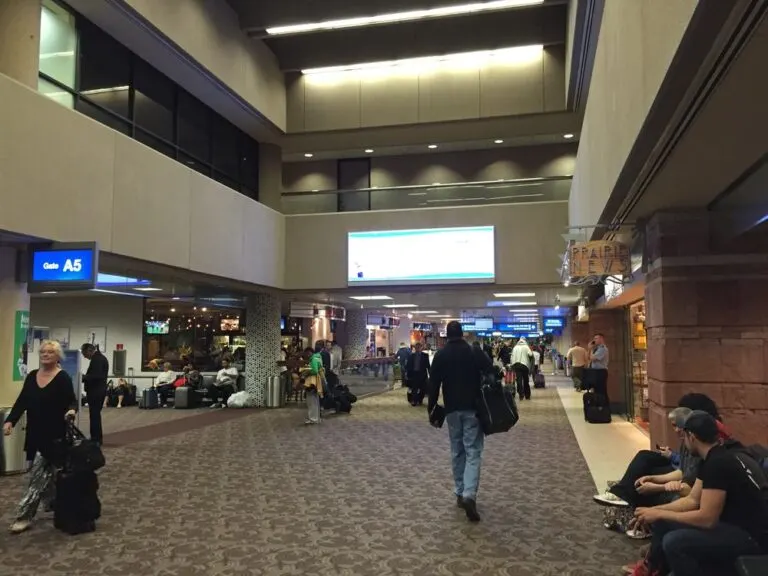 Halal talkPhoenix Sky Harbor Compassion Corner Chapel: Muslim Prayer GuideRepresentative image: Phoenix Sky Harbor International Airport Terminal 4. It does not show the Compassion Corner Chapel. Photo…Open guide
 Halal talkKuala Lumpur International Airport Prayer Rooms (KUL T1): Surau, Parking & Access GuideKLIA Terminal 1 (KUL) officially provides Muslim Prayer Rooms at all levels of the Main Terminal Building and…Open guide