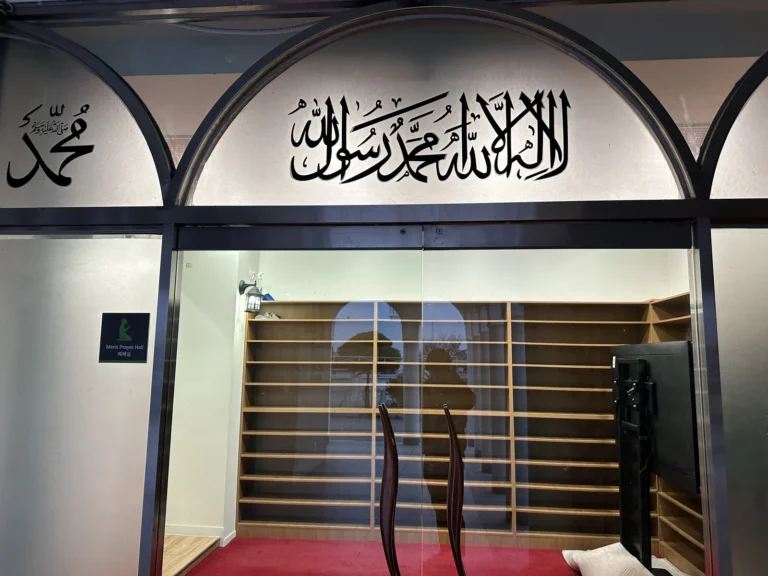
Living as a Muslim in Korea — The Complete Long-Term Stay Guide for Students Workers and Expats
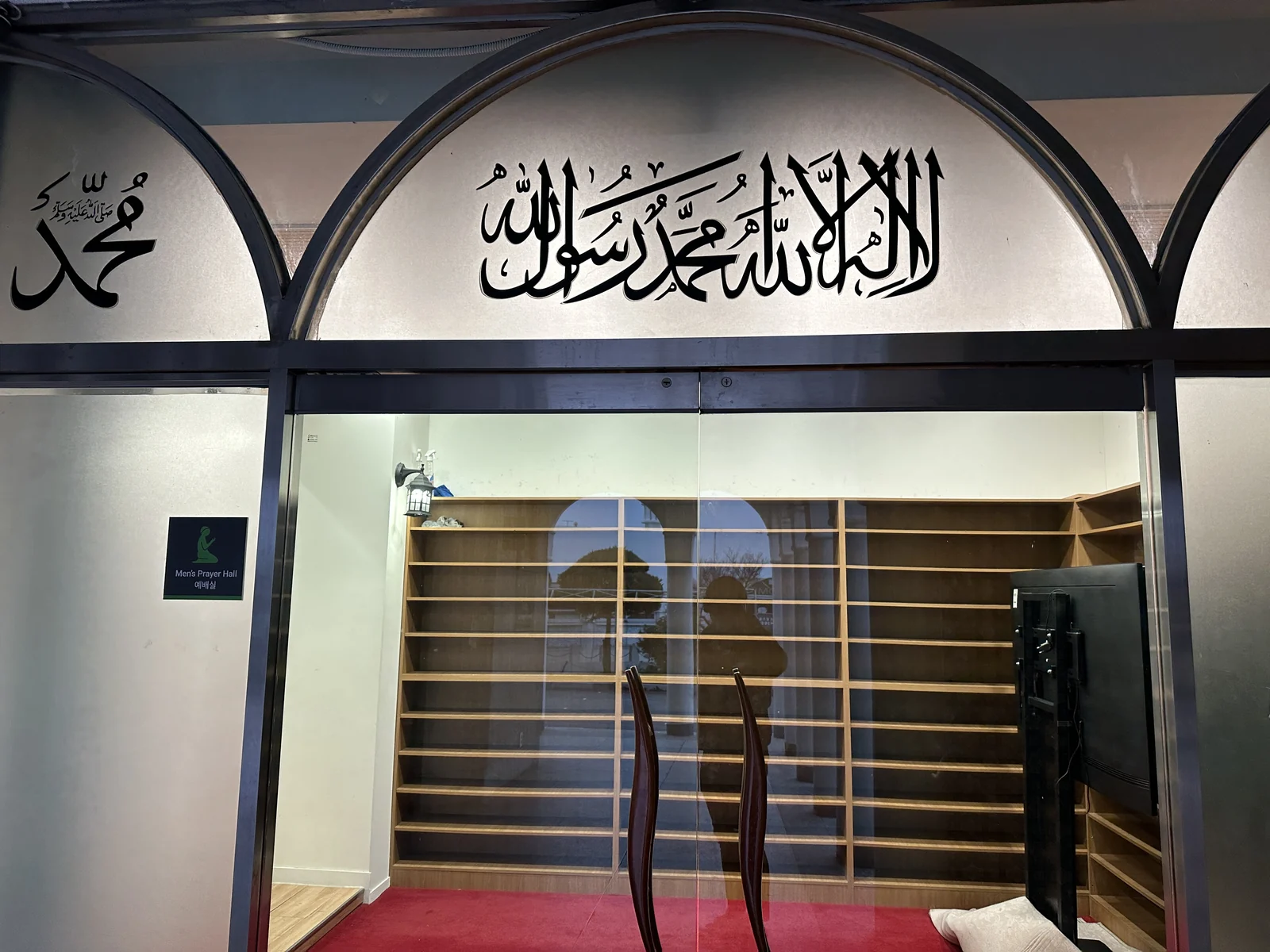
Living as a Muslim in Korea — The Complete Long-Term Stay Guide for Students Workers and Expats
Choosing to live as a Muslim in Korea long-term — whether as an international student a corporate worker or a family relocating for an expat assignment — presents a unique set of daily challenges that short-term tourists never encounter. Finding halal groceries every week praying five times a day without a mosque nearby navigating workplace lunch culture raising Muslim children in a non-Muslim society and building a spiritual community from scratch are realities that require practical solutions sustained over months and years not days. This comprehensive long-term living guide addresses every aspect of daily Muslim life in South Korea with actionable strategies real-world solutions and the hard-won wisdom of Muslims who have made Korea their home.
The Muslim Community in Korea — An Overview
South Korea is home to an estimated 200,000 Muslims comprising foreign workers students military personnel diplomats business professionals and a growing number of Korean converts to Islam. The community is centered around the Seoul Central Mosque in Hannam-dong but Muslim residents are spread across the entire country from the university districts of Seoul to the industrial cities of Ulsan and Changwon to the port city of Busan and the technology hub of Daejeon. Understanding the landscape of Muslim life in Korea helps you position yourself for the most comfortable long-term experience.
Muslim Population Distribution in Korea
| Area | Muslim Community Size | Key Characteristics | Halal Food Access |
|---|---|---|---|
| Seoul — Itaewon/Hannam | Largest concentration | Mosque halal shops Islamic bookstore community center | Excellent — dozens of halal restaurants and shops |
| Seoul — University Districts | Growing student population | University prayer rooms Muslim student associations | Limited — rely on Itaewon and self-cooking |
| Seoul — Gangnam/Yeouido | Working professionals | Office prayer rooms corporate halal requests | Moderate — a few halal restaurants |
| Busan | Medium community | Busan Islamic Center halal restaurants in Haeundae | Good — several halal options |
| Incheon | Medium community | Incheon Islamic Center near airport | Good — halal shops and restaurants |
| Daegu/Daejeon/Other Cities | Small scattered communities | University prayer rooms small Islamic centers | Limited — mostly self-cooking required |
Finding Long-Term Housing as a Muslim in Seoul
Housing is the foundation of comfortable long-term living in Korea and for Muslims the location of your apartment or officetel directly impacts your daily quality of life. Proximity to halal food the mosque and public transportation should be the three primary factors in your housing decision.
Best Neighborhoods for Muslim Residents
Option 1 — Itaewon and Hannam-dong (Top Recommendation)
- Why it is best: Walking distance to Seoul Central Mosque halal butcher shops halal grocery stores and halal restaurants. The entire Islamic infrastructure of Seoul is within a 10-minute radius.
- Rent range: Studio officetel 500,000 to 900,000 KRW per month. One-bedroom apartment 700,000 to 1,500,000 KRW per month.
- Deposit (jeonse/wolse): Korea uses a unique deposit system. Wolse (monthly rent) requires a security deposit typically 5 to 20 million KRW plus monthly rent. The larger your deposit the lower your monthly rent.
- Transportation: Line 6 Itaewon Station connects to the entire Seoul subway network
- Nearest subway: Line 6 Itaewon Station or Noksapyeong Station
Option 2 — Yongsan-gu Broader Area
- Why it works: Yongsan-gu encompasses Itaewon Haebangchon Gyeongnidan-gil and Noksapyeong. Slightly further from the mosque but more affordable with the same subway line access.
- Rent range: Studio officetel 400,000 to 700,000 KRW per month. One-bedroom apartment 600,000 to 1,200,000 KRW per month.
- Transportation: Line 6 Noksapyeong Station (12 minutes walk to mosque)
Option 3 — Mapo-gu / Sinchon / Hongdae (Student Areas)
- Why it works for students: Close to major universities (Yonsei Ewha Sogang Hongik). Large international student population. Affordable rent. 25 to 30 minutes by subway to the mosque via Line 2 to Line 6 transfer.
- Rent range: Studio gosiwon (tiny room) 300,000 to 500,000 KRW. Officetel 450,000 to 800,000 KRW per month.
Korean Housing Terms Every Muslim Expat Should Know
| Korean Term | English Meaning | Relevance to Muslims |
|---|---|---|
| Jeonse (전세) | Large lump-sum deposit system (no monthly rent) | Deposit of 50 to 80 percent of property value — returned at lease end. Not practical for most foreigners. |
| Wolse (월세) | Monthly rent with smaller deposit | Standard for foreign residents — deposit 5 to 20 million KRW plus monthly rent |
| Officetel (오피스텔) | Studio apartment in a commercial-residential building | Most popular housing type for single Muslim residents — includes kitchen bathroom and usually laundry |
| Gosiwon (고시원) | Ultra-budget tiny room (approximately 3 to 5 square meters) | Cheapest option for students — very small but includes shared kitchen. No cooking meat recommended due to odor in shared spaces. |
| Banjiha (반지하) | Basement apartment (half-below ground) | Affordable but prone to flooding in summer monsoon season. Not recommended. |
▶ Search for Rental Properties Near Itaewon on Naver Map
Daily Halal Food Strategy for Long-Term Residents
Unlike tourists who can eat at halal restaurants for every meal long-term Muslim residents in Korea must develop a sustainable daily food strategy that balances cost nutrition variety and halal compliance. Eating out every day at halal restaurants is expensive and cooking at home with halal ingredients is the most practical approach for daily life.
Weekly Halal Grocery Shopping Plan
- Primary source — Usadan-ro halal shops: The halal butcher shops and grocery stores on Usadan-ro near Seoul Central Mosque are the backbone of long-term Muslim food supply in Seoul. Halal-certified lamb beef and chicken are available daily. Shop weekly and stock up on spices lentils rice and canned goods.
- Secondary source — Korean supermarkets: E-Mart Homeplus and Lotte Mart carry many products that are inherently halal including plain rice vegetables fruits seafood eggs cooking oils and basic seasonings. Learn to identify safe products using the ingredient scanning techniques from the convenience store guide.
- Online ordering: Coupang (Korea’s largest online shopping platform) delivers groceries to your door within one day. Search for imported halal products using Korean terms like “할랄” (halal) “양고기” (lamb) and “인도 음식” (Indian food). Several sellers on Coupang offer imported halal meat and products from Turkey Pakistan and Indonesia.
- Bulk buying: For the most cost-effective approach buy halal meat in bulk from Usadan-ro butcher shops and freeze individual portions at home. A typical weekly halal meat purchase for one person costs approximately 30,000 to 50,000 KRW.
Monthly Halal Food Budget for One Person in Seoul
| Expense Category | Estimated Monthly Cost (KRW) | Notes |
|---|---|---|
| Halal meat (from Usadan-ro) | 120,000 to 200,000 | Lamb beef chicken — approximately weekly purchases |
| Rice and grains | 20,000 to 30,000 | 10kg bag of rice lasts approximately one month |
| Vegetables and fruits | 60,000 to 100,000 | From Korean supermarkets or traditional markets |
| Dairy and eggs | 20,000 to 40,000 | Milk yogurt cheese eggs — all inherently halal |
| Spices and cooking essentials | 15,000 to 30,000 | Imported from halal shops — lasts multiple months per purchase |
| Halal restaurant meals (occasional) | 40,000 to 80,000 | Weekly meal out at Itaewon halal restaurants |
| Convenience store snacks | 10,000 to 20,000 | Halal-friendly items from CU GS25 |
| TOTAL | 285,000 to 500,000 | Approximately 215 to 380 USD per month |
▶ Find Halal Grocery Stores on Usadan-ro Near Seoul Central Mosque on Naver Map
Daily Prayer Solutions for Muslims Working in Korea
Maintaining all five daily prayers is the spiritual backbone of Muslim life in Korea and the biggest daily challenge for long-term residents who work in offices factories or universities far from the Seoul Central Mosque. Here are proven strategies developed by Muslims who have worked in Korea for years.
Workplace Prayer Strategies
- Inform your employer early: When accepting a job in Korea inform your employer or HR department about your prayer needs before your first day. Most Korean employers are accommodating when given advance notice. A simple explanation that you need 5 to 10 minutes of quiet time twice during the workday for religious practice is usually sufficient.
- Use meeting rooms: Most Korean offices have small meeting rooms or conference rooms that are empty between scheduled meetings. Book a 15-minute slot or simply use an empty room during your prayer time. Place a clean towel on the floor as a prayer surface.
- Find the quiet stairwell: Korean office buildings typically have stairwells between floors that are rarely used. The landing between two floors provides a clean quiet and private space for a quick 3 to 5 minute prayer.
- Combine prayers when necessary: Islamic jurisprudence permits combining Dhuhr with Asr and Maghrib with Isha under hardship conditions. If your workplace genuinely makes it impossible to pray at the exact prayer time combining prayers at a single break is an acceptable alternative.
- Friday Jumu’ah challenge: The Friday congregational prayer is the most difficult prayer for working Muslims in Korea because it occurs during working hours (approximately 12:30 PM). Options include requesting a longer lunch break on Fridays working flexible hours (earlier start earlier finish) or finding a prayer room near your office where you can perform Dhuhr individually if the mosque is too far.
University Prayer Rooms
Several Korean universities maintain dedicated prayer rooms for Muslim students. These are typically located in international student buildings or multi-faith spaces.
| University | Prayer Room Location | Nearest Subway | Facilities |
|---|---|---|---|
| Korea University | International Student House | Line 6 Anam Station | Prayer mats qibla marked wudu area |
| Yonsei University | International Student Center | Line 2 Sinchon Station | Prayer mats qibla direction |
| Hanyang University | Student Welfare Building | Line 2 Hanyang Univ Station | Prayer mats designated room |
| Seoul National University | International Center | Line 2 SNU Station | Multi-faith prayer space |
| Kyung Hee University | International Education Building | Line 1 Hoegi Station | Prayer room with wudu facilities |
Tip for new students: Contact the university’s international student office on your first week and ask specifically about prayer room locations and Muslim student associations. Many universities also have Muslim student groups that organize weekly gatherings Eid celebrations and iftar during Ramadan.
▶ Find University Prayer Rooms on Naver Map
Building Muslim Community in Korea
Living as a Muslim minority in Korea can feel isolating especially in the first few months. Building connections with the local Muslim community is essential for spiritual emotional and practical support.
How to Connect with Muslims in Seoul
- Attend Friday prayers regularly: The Seoul Central Mosque Friday prayer is the single best networking event for Muslims in Korea. Arrive early stay for the post-prayer socializing and introduce yourself to fellow worshippers. Many lifelong friendships business connections and community bonds are formed through regular Friday attendance.
- Join the mosque community activities: The Seoul Central Mosque organizes regular community events including weekly study circles Islamic lectures community iftars during Ramadan Eid celebrations and cultural exchange programs. Check the notice board at the mosque entrance or ask at the Islamic Center office for the current schedule.
- Connect with national communities: Large national communities of Pakistani Indonesian Malaysian Turkish Arab and Bangladeshi Muslims organize their own social events in Seoul. Ask fellow worshippers from your country about community gatherings WhatsApp groups and national association meetings.
- University Muslim student associations: If you are a student join your university’s Muslim student group immediately. These groups organize prayers social events halal food outings and Eid celebrations and are the fastest way to build a social circle.
- Online communities: Facebook groups and KakaoTalk open chat rooms for Muslims in Korea provide daily information about community events halal food deals prayer time changes and practical living advice. Search for groups such as “Muslims in Korea” “Muslims in Seoul” or your specific nationality in Korea.
Healthcare and Insurance for Muslims in Korea
South Korea has a universal healthcare system called the National Health Insurance (NHI) that all long-term residents are required to join. Understanding how to navigate the Korean healthcare system while maintaining halal and modesty requirements is important for Muslim residents.
Key Healthcare Information
- National Health Insurance: All foreign residents with an Alien Registration Card (ARC) staying longer than 6 months are automatically enrolled in NHI. Monthly premiums are approximately 50,000 to 130,000 KRW depending on income. NHI covers approximately 60 to 70 percent of most medical expenses.
- Medication concerns: Some Korean medications contain gelatin (pig-derived) as a capsule ingredient. When receiving prescriptions from a Korean doctor or pharmacist inform them that you cannot take gelatin-based capsules. The Korean phrase to use: “젤라틴이 들어가지 않은 약으로 주세요” (Please give me medicine without gelatin). Most common medications have gelatin-free alternatives available.
- Modesty at the doctor: Korean medical culture is direct and efficient. If you are uncomfortable with a male doctor performing a physical examination on a female patient or vice versa you can request a same-gender doctor or ask for a chaperone to be present. Korean hospitals are generally accommodating of such requests when informed in advance.
- Dietary restrictions in hospitals: Korean hospital meals typically include pork-based side dishes. If you are hospitalized inform the nursing staff immediately about your dietary requirements. Show the phrase: “저는 돼지고기와 술이 들어간 음식을 먹을 수 없습니다” (I cannot eat food containing pork or alcohol). Hospital kitchens can usually provide rice vegetables seafood and fruit alternatives.
Managing Finances as a Muslim in Korea
- Bank account: Open a Korean bank account at KB Kookmin Shinhan Hana or Woori bank. Your Alien Registration Card passport and phone number are required. A Korean bank account is essential for receiving salary paying rent and using mobile payment apps.
- Islamic finance concerns: Korean banks do not offer Islamic (Sharia-compliant) financial products. Standard Korean savings accounts pay interest (riba). If you wish to avoid interest ask your bank about keeping a zero-interest checking account and keeping savings in a separate non-interest-bearing account.
- Remittance: Sending money to family in Muslim-majority countries is a common need. Use international remittance services like Wise (formerly TransferWise) Sentbe or bank wire transfers. Wise typically offers the best exchange rates and lowest fees for transfers from Korea to countries like Pakistan Bangladesh Indonesia Turkey and Malaysia.
- Zakat calculation: Calculate your annual Zakat obligation on savings and assets held in Korean Won. The nisab threshold fluctuates with gold and silver prices and exchange rates. Consult with the imam at Seoul Central Mosque or use an online Zakat calculator adjusted for KRW.
Raising Muslim Children in Korea
For Muslim families living in Korea long-term raising children with strong Islamic identity in a predominantly non-Muslim society requires intentional effort across education social environment and spiritual formation.
Islamic Education Options for Children
- Weekend Islamic school at Seoul Central Mosque: The Islamic Center adjacent to the mosque operates weekend Islamic education classes for children covering Quran memorization Arabic language Islamic studies and basic fiqh. Classes are typically held on Saturday mornings.
- Home Quran teaching: Many Muslim families in Korea teach their children Quran at home using apps like Quran Companion or Noorani Qaida. The mosque bookstore on Usadan-ro sells children’s Islamic educational materials in English Arabic and Korean.
- Online Islamic education: Platforms like Studio Arabiya Quran Academy and Bayyinah TV offer live and recorded Islamic education for children that can be accessed from Korea with a reliable internet connection.
Public School Considerations
- Dietary needs at school: Korean school lunches typically include pork. Parents must inform the school administration about their child’s dietary restrictions. Most schools can provide alternative meals but this requires proactive communication with the school early in the enrollment process.
- Physical education: Korean schools have co-ed physical education classes. If your daughter wears hijab and requires modest athletic clothing communicate this to the school in advance. Most Korean PE teachers are accommodating when informed.
- Bullying awareness: Muslim children in Korean schools may encounter curiosity about their religion diet or clothing. Teaching children confident simple explanations about their faith — “I am Muslim and I do not eat pork” — helps them navigate social situations with confidence.
Legal Rights and Protections for Muslims in Korea
- Freedom of religion: The South Korean Constitution guarantees freedom of religion. Muslims have the legal right to practice Islam worship build mosques and conduct religious activities without government interference.
- Anti-discrimination: While South Korea does not have a comprehensive anti-discrimination law the National Human Rights Commission of Korea investigates complaints of discrimination based on religion. If you experience religious discrimination at work or in public you can file a complaint with the commission.
- Halal food labeling: There is no government mandate for halal food labeling in Korea. Halal certification is managed by private Islamic organizations. The Korea Muslim Federation provides halal certification for food products and restaurants that meet Islamic dietary standards.
- Religious accommodation at work: Korean labor law does not specifically require employers to provide prayer breaks or halal food. However most employers are willing to accommodate reasonable religious requests when communicated politely and in advance. Document your requests in writing for clarity.
Seasonal Challenges for Muslims Living in Korea
Ramadan in Korea
- Fasting hours: Depending on the year Ramadan can fall during any season in Korea. Summer Ramadan in Seoul means fasting for over 16 hours in high humidity while winter Ramadan requires only approximately 11.5 hours of fasting in cold dry conditions.
- Workplace fasting: Korean coworkers may not understand why you are not eating or drinking during the day. A brief explanation — “I am fasting for Ramadan I will eat after sunset” — is usually sufficient. Most Korean colleagues respect the practice once they understand it.
- Taraweeh transportation: After Taraweeh prayers ending at 10:00 to 10:30 PM the last subway runs until midnight. Plan your mosque visits accordingly.
Korean Monsoon Season (Summer)
- Humidity and modesty: Korean summers (June to August) are brutally hot and humid with temperatures exceeding 35 degrees Celsius. Wearing modest long clothing in this heat is genuinely challenging. Invest in moisture-wicking breathable fabrics and light-colored loose-fitting garments.
- Prayer mat concerns: Humidity can cause mold on prayer mats stored in poorly ventilated rooms. Hang your prayer mat to dry regularly and store it in a breathable bag.
Korean Winter
- Wudu in cold weather: Performing ablution with cold water in Korean winters (December to February) when temperatures drop below freezing is uncomfortable. Many mosques and Muslim-friendly buildings have heated water in their wudu areas. At home adjust your water heater to provide warm wudu water.
- Early Isha and late Fajr: Winter in Seoul brings very early sunsets (around 5:15 PM) and late dawn (around 5:50 AM). Isha prayer can be performed as early as 6:50 PM allowing for earlier sleep before Fajr.
Frequently Asked Questions About Living as a Muslim in Korea
Is Korea a safe country for Muslims to live in?
South Korea is one of the safest countries in the world with extremely low rates of violent crime and hate crimes. Muslims living in Korea generally report feeling safe and welcomed. Incidents of Islamophobia are rare and Korean society is broadly tolerant of religious diversity. The Korean government has not implemented any policies targeting Muslims and the legal framework protects freedom of religion. The biggest challenges Muslim residents face are practical ones — finding halal food maintaining prayer schedules and building community — rather than safety concerns.
How much does it cost to live as a Muslim in Seoul per month?
A single Muslim person living moderately in Seoul can expect monthly expenses of approximately 1,500,000 to 2,500,000 KRW (1,100 to 1,900 USD) including rent (600,000 to 1,000,000 KRW for a studio officetel near Itaewon) halal food (300,000 to 500,000 KRW) transportation (50,000 to 100,000 KRW) utilities (50,000 to 100,000 KRW) phone plan (30,000 to 55,000 KRW) and miscellaneous expenses. Living outside Seoul or sharing accommodation significantly reduces costs.
Can I find halal food outside of Seoul?
Halal food options are limited outside Seoul but not impossible. Busan has the Busan Islamic Center area with several halal restaurants. Incheon has halal shops near the Incheon Islamic Center. In all other cities you will need to rely on cooking at home with halal ingredients purchased online through Coupang or brought from Seoul during visits. Seafood restaurants are widely available throughout Korea and serve fish and shellfish dishes that are halal for most scholars. Many long-term Muslim residents outside Seoul order halal meat online and have it delivered frozen to their doorsteps.
How do I handle alcohol culture in Korean workplaces?
Korean workplace culture traditionally includes after-work drinking gatherings called “hoesik” (회식). These events are less mandatory than they were a generation ago but declining invitations can still create awkwardness. The most effective approach is to be upfront from the beginning: explain that as a Muslim you do not drink alcohol but you would be happy to attend the dinner portion and drink juice or water. Most Korean colleagues respect this position once it is clearly stated. Simply saying “저는 술을 마시지 않습니다 종교적인 이유입니다” (I do not drink alcohol for religious reasons) is usually sufficient.
Can Korean converts to Islam practice openly?
Yes. Korean citizens who convert to Islam have full legal freedom to practice their religion openly. There are no laws restricting conversion or religious practice in South Korea. Korean converts make up a small but growing segment of the Muslim community and the Seoul Central Mosque provides support services including Islamic education classes conversion ceremonies (shahada) and community integration programs specifically for Korean Muslims.
How do I find a mosque outside Seoul for Friday prayer?
Mosques and Islamic centers exist in several cities beyond Seoul. The Busan Islamic Center serves the Muslim community in the Busan area. Incheon has an Islamic center near the airport. For cities without dedicated mosques some Muslim communities organize Friday prayers in rented spaces community rooms or university halls. Contact the Korea Muslim Federation at the Seoul Central Mosque (+82-2-793-6908) for information about prayer facilities in your specific city.
What should I do if I cannot find halal meat in my area?
Several solutions exist for Muslims living in areas without local halal shops. Order halal meat online through Coupang which delivers frozen halal-certified meat nationwide within one to two days. During visits to Seoul stock up on halal meat from Usadan-ro shops and transport it frozen in an insulated bag. For immediate protein needs Korean supermarkets sell fresh fish and seafood that are halal. Eggs are universally halal and available everywhere. Some Muslims in Korea follow the position that meat from People of the Book (Christian-slaughtered meat available in Korean supermarkets) is permissible though opinions vary among scholars.
Is it possible to observe hijab in Korean workplaces?
Yes. There is no legal restriction on wearing hijab in Korean workplaces. Many Muslim women working in Korea wear hijab daily without issue. In customer-facing roles some employers may express uncertainty initially but once the religious basis is explained most Korean employers accommodate the practice. Korean anti-discrimination principles protect religious expression even without a comprehensive anti-discrimination law.
Living as a Muslim in Korea is a journey of adaptation faith and quiet resilience. The challenges are real — halal food requires extra effort prayer demands creative scheduling and building community takes intentional time. But the rewards are equally real: living in one of the world’s safest most technologically advanced countries experiencing a fascinating culture that values education respect and hard work and being part of a small but deeply connected Muslim community that draws strength from its minority status. Whether you arrive as a student stepping off the plane at Incheon for the first time a worker relocating for a corporate assignment or a family building a new life know that thousands of Muslims before you have walked this same path and found it not just survivable but genuinely fulfilling. The mosque on the hill in Hannam-dong is your anchor the halal shops on Usadan-ro are your pantry and the Korean Muslim community — however small — is your family far from home.
#LivingAsMuslimKorea #MuslimLifeSeoul #MuslimExpatsKorea #HalalLivingSeoul #MuslimStudentsKorea #SeoulMuslimCommunity #LongTermStayKoreaMuslim #MuslimWorkersKorea #SeoulCentralMosqueCommunity #HalalGrocerySeoul #PrayerAtWorkKorea #KoreanMuslimConvert #MuslimFamilyKorea #IslamInSouthKorea #MuslimHousingSeoul #HalalFoodKoreaDaily #SeoulOfficetelMuslim #RaisingMuslimKidsKorea #MuslimExpatGuideKorea #KoreaMuslimLongTermGuide
Explore Korea by topic
Choose a focused next step for Korea travel, halal food, prayer planning, or transport.
Explore more published guides
Keep planning with more published Muslim travel guides. New cards appear as you reach the end, or choose to load the next set.
 Halal talkElazığ Airport Prayer Room (EZS): Official Mescit, Parking & Access GuideElazığ Airport (EZS) officially lists a mescit in its domestic terminal. The airport operator confirms parking is available…Open guide
  Halal talkFreetown Airport Prayer Rooms (FNA): First Floor GuideFreetown Airport has dedicated Christian and Muslim prayer facilities on the first floor, accessible to all passengers and…Open guide
 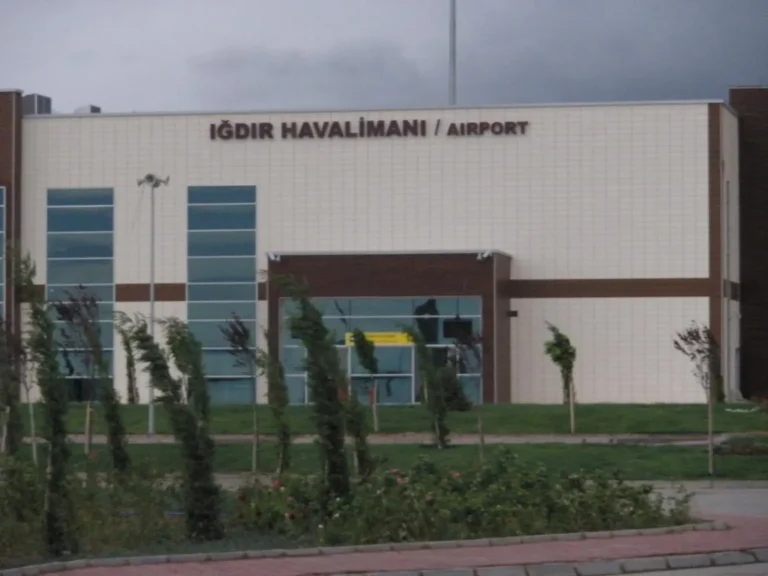 Halal talkIğdır Airport Prayer Rooms (IGD): 2 Mescits, Parking & Terminal GuideIğdır Şehit Bülent Aydın Airport (IGD) officially lists two prayer rooms in its one-storey domestic terminal. The airport…Open guide
 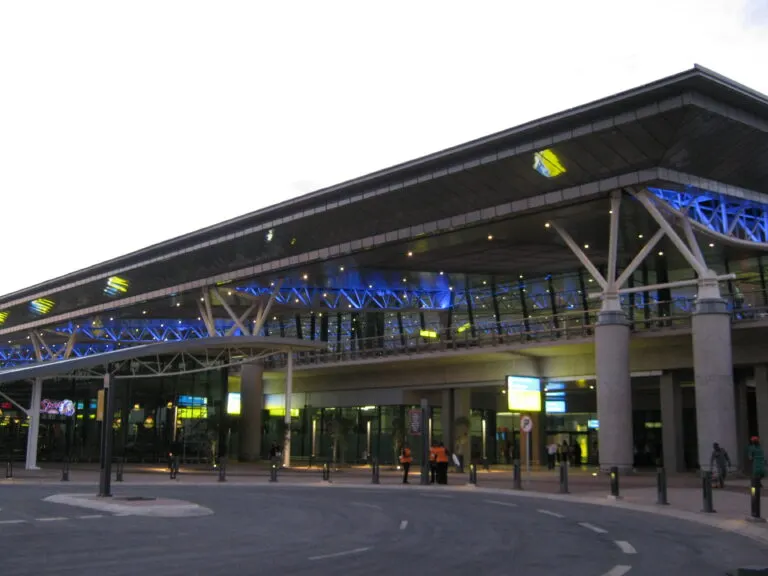 Halal talkKing Shaka Airport Prayer Rooms (DUR): Access GuideKing Shaka Airport has multi-faith prayer rooms for passengers. Ask an airport information desk for the current prayer-room…Open guide
 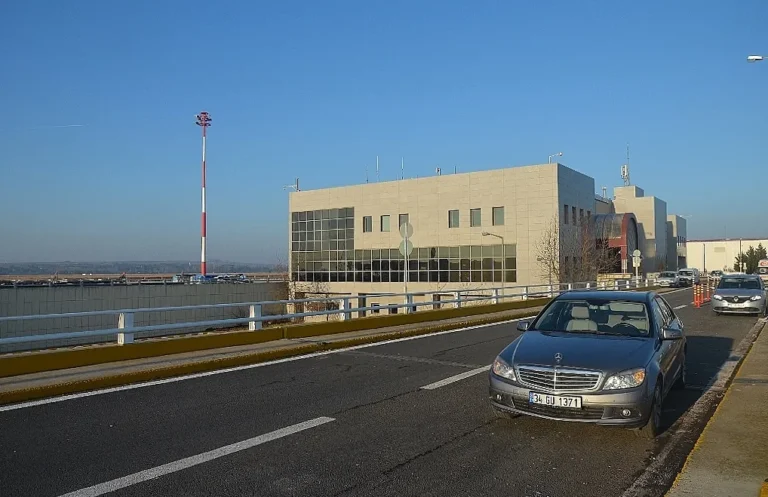 Halal talkÇorlu Atatürk Airport Prayer Rooms (TEQ): Terminal Mescit, Parking & Access GuideTekirdağ Çorlu Atatürk Airport (TEQ) officially confirms that separate women’s and men’s prayer rooms are inside its terminal…Open guide
 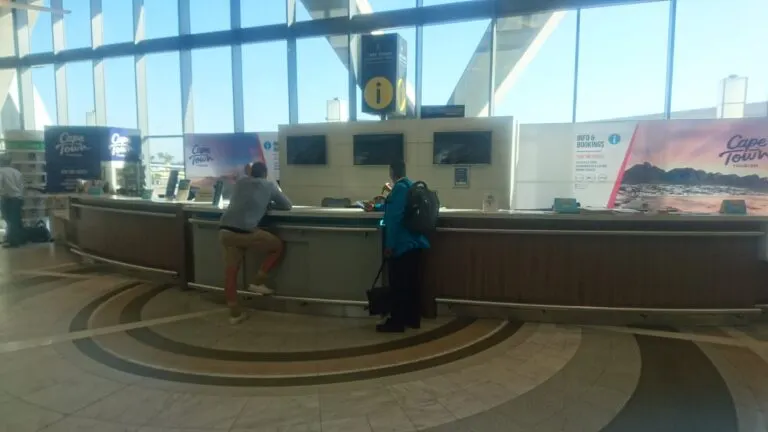 Halal talkCape Town Airport Prayer Room (CPT): Request Access GuideCape Town Airport can accommodate prayer-space requests. Ask any ACSA representative for the current prayer-room location and access…Open guide
 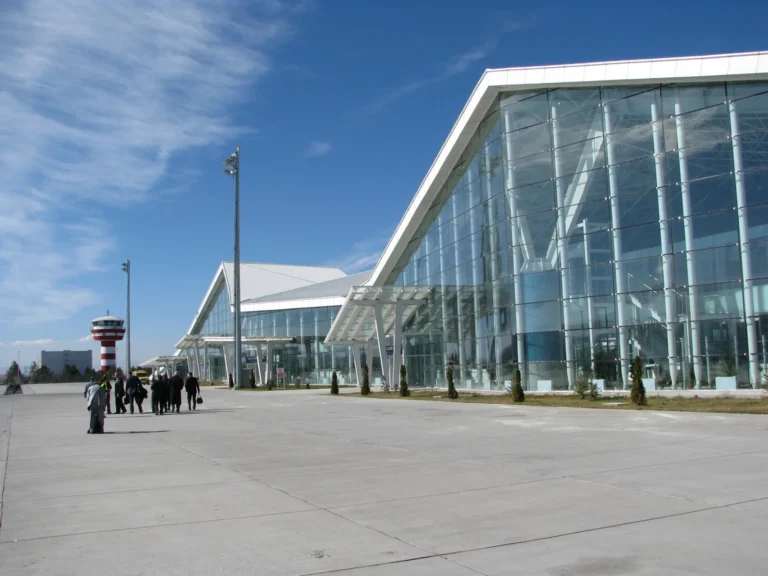 Halal talkKars Harakani Airport Prayer Rooms (KSY): 5 Mescits, Parking & Terminal GuideKars Harakani Airport (KSY) officially lists five prayer rooms: three for men and two for women. Domestic and…Open guide
 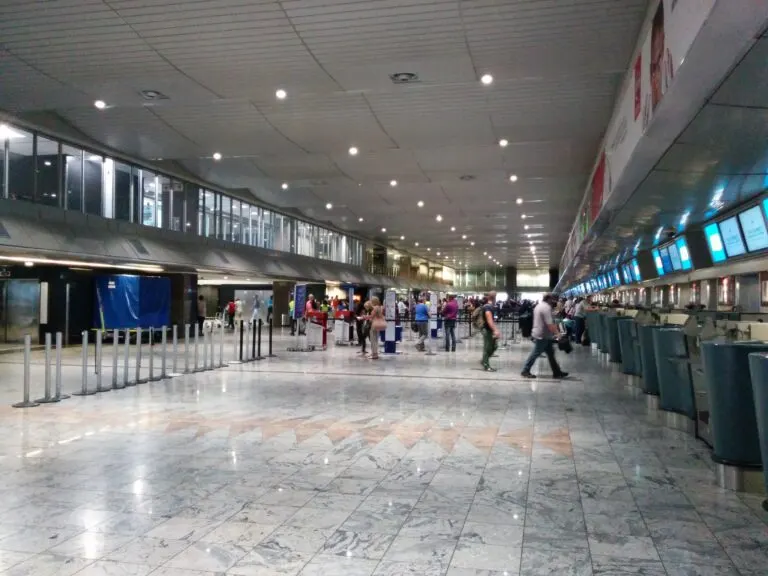 Halal talkOR Tambo Muslim Prayer Facility (JNB): 24/7 GuideOR Tambo Muslim prayer facility is open 24/7 in the basement parkade closest to Terminal A arrivals, with…Open guide
 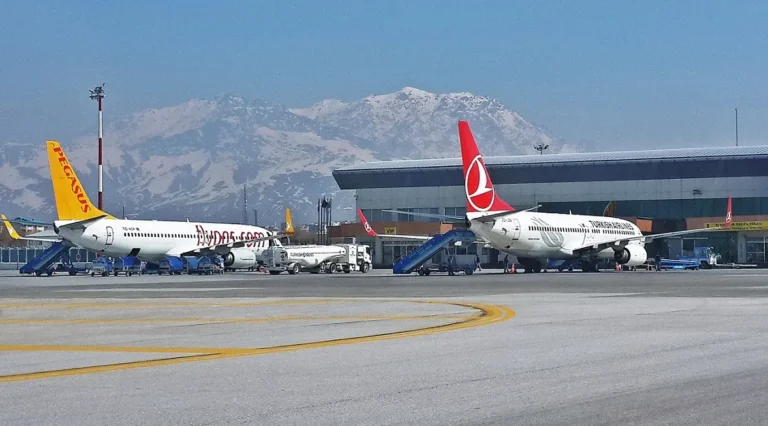 Halal talkVan Ferit Melen Airport Prayer Rooms (VAN): Departure Hall, Gates & Parking GuideOfficial guide to prayer rooms at Van Ferit Melen Airport (VAN), including domestic departure and gate areas, parking…Open guide