Korean Phrases Every Muslim Traveler Needs — Order Halal Food Ask Directions Find Prayer Rooms and Handle Emergencies in Seoul
Korean Phrases Every Muslim Traveler Needs — Order Halal Food Ask Directions Find Prayer Rooms and Handle Emergencies in Seoul
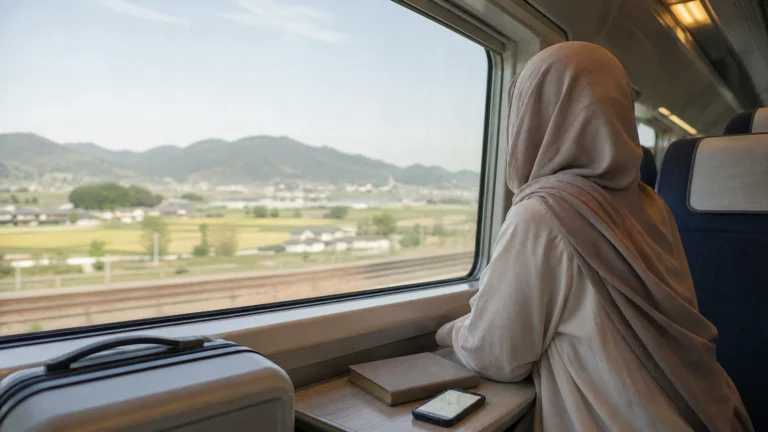
Memorizing even a handful of essential Korean phrases before arriving in Seoul can transform your experience as a Muslim traveler from frustrating to empowering. South Korea is not an English-dominant country — outside of tourist hotspots like Myeongdong and Itaewon, most restaurant staff taxi drivers and shopkeepers speak very little English. When your dietary requirements depend on clearly communicating that you cannot eat pork or alcohol, or when you need to find the nearest prayer room in a hurry, having the right Korean words ready is not a luxury — it is a necessity. This comprehensive phrase guide covers every situation a Muslim traveler encounters in Korea with Korean script romanized pronunciation and English meaning organized by category so you can screenshot each section and show it directly to anyone you need to communicate with.
Why Korean Phrases Matter More Than Any Translation App
Translation apps like Papago and Google Translate are powerful tools that every Muslim traveler should download before arriving in Korea. However, there are specific situations where a pre-prepared phrase shown directly on your phone screen is faster more reliable and more socially appropriate than fumbling with a translation app in real time.
- At a busy restaurant counter: Staff at popular Korean restaurants handle dozens of customers per minute — showing a pre-written dietary restriction phrase is faster than typing into an app while a queue forms behind you
- In an emergency: If you need medical help or police assistance, having emergency phrases saved as screenshots means you can communicate critical information even if your phone battery dies or your data connection drops
- With elderly Koreans: Older shopkeepers and taxi drivers in traditional neighborhoods often appreciate seeing Korean characters rather than hearing a translation app speak in a robotic voice
- For prayer room requests: Asking a building security guard or hotel receptionist for a quiet room to pray requires a specific cultural approach that a pre-prepared phrase handles gracefully
Category 1 — Halal Food and Dietary Restriction Phrases
These are the most critical phrases for Muslim travelers in Korea. Screenshot this entire section and keep it as an album on your phone for instant access at any restaurant or food stall.
Essential Dietary Restriction Phrases
| Korean Script | Romanized Pronunciation | English Meaning |
|---|---|---|
| 저는 돼지고기를 먹지 않습니다 | Jeoneun dwaeji-gogireul meokji anseumnida | I do not eat pork |
| 저는 술을 마시지 않습니다 | Jeoneun sureul masiji anseumnida | I do not drink alcohol |
| 돼지고기 빼 주세요 | Dwaeji-gogi ppaе juseyo | Please remove the pork |
| 술 빼 주세요 | Sul ppae juseyo | Please remove the alcohol |
| 이 음식에 돼지고기가 들어있나요 | I eumsige dwaeji-gogi-ga deureo-innayo | Does this food contain pork? |
| 이 음식에 술이 들어있나요 | I eumsige suri deureo-innayo | Does this food contain alcohol? |
| 저는 할랄 음식만 먹습니다 | Jeoneun hallal eumsikman meokseumnida | I only eat halal food |
| 저는 무슬림입니다 | Jeoneun moseullim-imnida | I am a Muslim |
| 채식으로 주세요 | Chaesig-euro juseyo | Please make it vegetarian |
| 고기 없는 음식으로 주세요 | Gogi eomneun eumsig-euro juseyo | Please give me food without meat |
| 이 고기는 양고기인가요 beef인가요 | I gogi-neun yanggogi-inga-yo beef-inga-yo | Is this meat lamb or beef? |
| 돼지고기와 술이 들어가지 않은 음식을 추천해 주세요 | Dwaeji-gogi-wa suli deureo-gaji aneun eumsigeul chucheonhae juseyo | Please recommend food that does not contain pork or alcohol |
How to Use These Phrases at a Restaurant
- Before ordering: Show the phrase “저는 돼지고기를 먹지 않습니다” and “저는 술을 마시지 않습니다” to the staff immediately upon sitting down
- While ordering: Point to the menu item you want and show “이 음식에 돼지고기가 들어있나요?” to confirm the dish is pork-free
- If pork is found: Politely show “돼지고기 빼 주세요” if a dish arrives with pork that was not mentioned on the menu
- For recommendations: If you are unsure what to order, show “돼지고기와 술이 들어가지 않은 음식을 추천해 주세요” and let the staff guide you
Category 2 — Ordering Food and Drinks
Once you have confirmed that a restaurant can accommodate your halal requirements, these phrases will help you order food and drinks smoothly.
| Korean Script | Romanized Pronunciation | English Meaning |
|---|---|---|
| 메뉴판 주세요 | Menyupan juseyo | Please give me the menu |
| 이거 주세요 | Igeo juseyo | I will have this one (pointing at menu) |
| 하나 주세요 | Hana juseyo | One please |
| 둘 주세요 | Dul juseyo | Two please |
| 물 주세요 | Mul juseyo | Water please |
| 뜨거운 물 주세요 | Tteugeo-un mul juseyo | Hot water please |
| 아이스 아메리카노 하나 주세요 | Aiseu amerikano hana juseyo | One iced Americano please |
| 따뜻한 차 주세요 | Ttatteutan cha juseyo | Hot tea please |
| 계산서 주세요 | Gyesanseo juseyo | Please bring the bill |
| 카드로 결제할 수 있나요 | Can I pay by card? | |
| 맛있어요 | Mashisseoyo | It is delicious (useful compliment to staff) |
| 포장해 주세요 | Pojanghae juseyo | Please pack it to go |
Category 3 — Finding Prayer Rooms and Mosques
One of the most important daily needs for Muslim travelers in Seoul is locating a clean and quiet space for prayer. These phrases help you ask for a prayer room in any building hotel or public space.
| Korean Script | Romanized Pronunciation | English Meaning |
|---|---|---|
| 기도할 수 있는 방이 있나요 | Gidohal su inneun bang-i innayo | Is there a room where I can pray? |
| 조용한 방을 쓸 수 있나요 | Joyonghan bang-eul sseul su innayo | Can I use a quiet room? |
| 이 building에 기도실이 있나요 | I biling-e gidosil-i innayo | Does this building have a prayer room? |
| 모스크가 어디에 있나요 | Moseukeuga eodi-e innayo | Where is the mosque? |
| 서울중앙성원이 어디에 있나요 | Seoul jungangseongwon-i eodi-e innayo | Where is Seoul Central Mosque? |
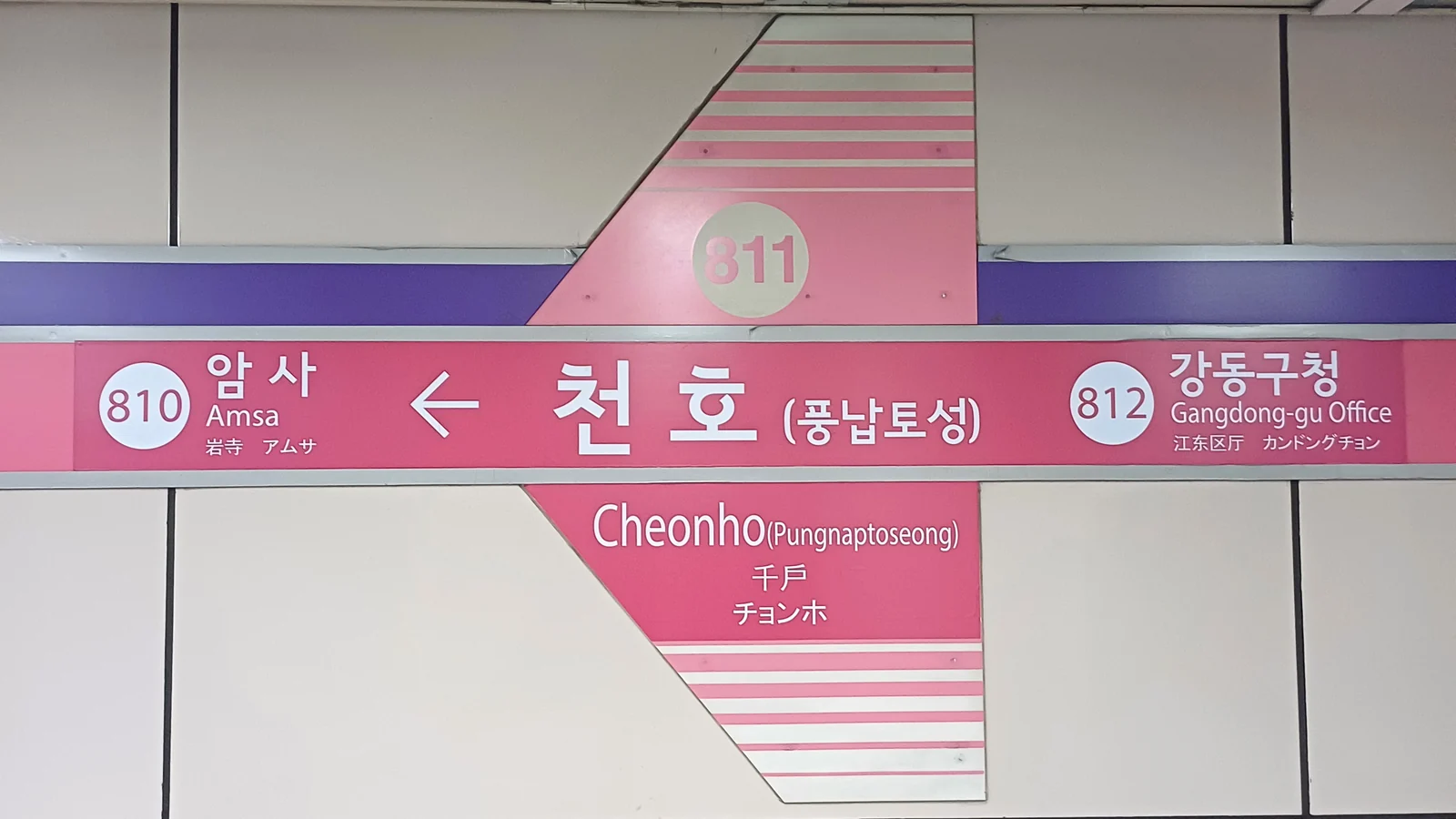
| 이타원역은 어디에 있나요 | Itaewon-yeog-eun eodi-e innayo | Where is Itaewon Station? |
| 잠깐 이 방을 써도 될까요 | Jamkkan i bang-eul sseodo doelkkayo | May I use this room briefly? |
| 5분만 조용히 기도하겠습니다 | Obunman joyonghi gidohagetseumnida | I will pray quietly for just 5 minutes |
Where to Use Prayer Room Phrases in Seoul
- Hotels: Show “기도할 수 있는 방이 있나요” at the front desk — most hotels can direct you to a quiet conference room or unused meeting space
- Office buildings: Modern Seoul office buildings in Gangnam Jongno and Yeouido often have multi-faith prayer rooms — ask the security guard at the lobby desk
- Universities: Korea University Yonsei University and Hanyang University maintain Muslim prayer rooms — show the phrase at the international student office
- Shopping malls: Some large malls like COEX in Gangnam have quiet rooms on upper floors that can be used for prayer — ask at the information desk
▶ Find Seoul Central Mosque on Naver Map
Category 4 — Transportation and Directions
Getting around Seoul requires communicating with taxi drivers subway station staff and bus drivers. These phrases cover the most common transportation situations.
| Korean Script | Romanized Pronunciation | English Meaning |
|---|---|---|
| 여기로 가주세요 | Yeogiro gajuseyo | Please go to this place (show address on phone) |
| 이 주소로 가주세요 | I jusuro gajuseyo | Please go to this address |
| 이타원역으로 가주세요 | Itaewon-yeog-euro gajuseyo | Please take me to Itaewon Station |
| 서울역이 어디에 있나요 | Seoul-yeog-i eodi-e innayo | Where is Seoul Station? |
| 지하철역이 가까이에 있나요 | Jihacheol-yeog-i gakkai-e innayo | Is there a subway station nearby? |
| 몇 번 출구인가요 | Myeot beon chulgu-in-ga-yo | Which exit number is it? |
| 얼마예요 | Eolmayeyo | How much is it? |
| 공항으로 가주세요 | Gonghang-euro gajuseyo | Please take me to the airport |
| 여기서 내려주세요 | Yeogiseo naeryeojuseyo | Please drop me off here |
| 왼쪽으로 가면 되나요 | oenjjog-euro gamyeon doenayo | Should I go left? |
| 오른쪽으로 가면 되나요 | Oreunjjog-euro gamyeon doenayo | Should I go right? |
| 직진하면 되나요 | Jikjinhamyeon doenayo | Should I go straight? |
Taxi Address Cards — The Most Powerful Transportation Tool
For taxi rides, the single most effective strategy is to prepare a card or phone screen with your destination written in large Korean characters. Show this card to the driver and they will understand immediately without any verbal communication. Prepare these three cards before your trip:
- Card 1 — Seoul Central Mosque: “서울특별시 용산구 우사단로10길 39 서울중앙성원” (39 Usadan-ro 10-gil Yongsan-gu Seoul Central Mosque)
- Card 2 — Itaewon Station: “이타원역 6호선” (Itaewon Station Line 6)
- Card 3 — Your hotel: Your hotel name and full address written in Korean characters from the hotel website or booking confirmation
Category 5 — Emergency and Medical Phrases
These phrases are ones you hope never to use but must have ready. Screenshot this section and keep it accessible at all times during your trip.
| Korean Script | Romanized Pronunciation | English Meaning |
|---|---|---|
| 도와주세요 | Dowajuseyo | Please help me |
| 경찰을 불러주세요 | Gyeongchareul bulleojuseyo | Please call the police |
| 병원에 가고 싶습니다 | Byeongwone gago sipseumnida | I want to go to the hospital |
| 아파요 | Apayo | It hurts / I am in pain |
| 약국이 어디에 있나요 | Yakgug-i eodi-e innayo | Where is the pharmacy? |
| 두통이 있어요 | Dutong-i isseoyo | I have a headache |
| 배탈이 났어요 | Baetal-i nasseoyo | I have a stomachache |
| 알레르기가 있습니다 | Allereugi-ga isseumnida | I have an allergy |
| 대사관에 연락하고 싶습니다 | Daesagwane yeollakago sipseumnida | I want to contact my embassy |
| 여권을 잃어버렸습니다 | Yeogwoneul ireobeoryeosseumnida | I lost my passport |
| 영어를 할 수 있는 분이 있나요 | Yeongeoreul hal su inneun bun-i innayo | Is there someone who speaks English? |
Korean Emergency Numbers
- Police: 112 (operates 24 hours with some English capability)
- Fire and Ambulance: 119 (operates 24 hours with some English capability)
- Tourist Helpline: 1330 (Korea Tourism Organization hotline with English Chinese and Japanese support)
- Medical Emergency: 1339 (Health Insurance Review and Assessment Service — can direct you to the nearest hospital)
Category 6 — Shopping and Convenience Store Phrases
| Korean Script | Romanized Pronunciation | English Meaning |
|---|---|---|
| 이거 얼마예요 | Igeo eolmayeyo | How much is this? |
| 너무 비싸요 | Neomu bissayo | It is too expensive |
| 좀 깎아주세요 | Jom kkakkajuseyo | Please give me a discount |
| 다른 색깔 있어요 | Dareun saekkkal isseoyo | Do you have a different color? |
| 더 큰 사이즈 있어요 | Deo keun saijeu isseoyo | Do you have a bigger size? |
| 영수증 주세요 | Yeongsujeung juseyo | Please give me a receipt |
| 이것의 성분이 뭔가요 | Igeos-ui seongbun-i mwon-ga-yo | What are the ingredients of this? |
| 돼지고기가 들어있나요 | Dwaeji-gogi-ga deureo-innayo | Does it contain pork? |
| 면세 가능한가요 | Myeonse ganeung-han-ga-yo | Is tax-free shopping available? |
Category 7 — Greetings and Polite Expressions
Korean culture places enormous value on politeness and respectful speech. Using even basic Korean greetings creates a warm impression and often results in better service and more willingness to help with your dietary or prayer needs.
| Korean Script | Romanized Pronunciation | English Meaning |
|---|---|---|
| 안녕하세요 | Annyeonghaseyo | Hello (formal polite) |
| 감사합니다 | Gamsahamnida | Thank you (formal polite) |
| 정말 감사합니다 | Jeongmal gamsahamnida | Thank you very much |
| 죄송합니다 | Joesonghamnida | I am sorry (formal polite) |
| 괜찮습니다 | Gwaenchannseumnida | It is okay / No problem |
| 네 | Ne | Yes |
| 아니요 | Aniyo | No |
| 잠시만요 | Jamsimanyo | Excuse me / Just a moment |
| 실례합니다 | Sillyehamnida | Excuse me (when passing someone) |
| 안녕히 가세요 | Annyeonghi gaseyo | Goodbye (to someone leaving) |
| 안녕히 계세요 | Annyeonghi gyeseyo | Goodbye (when you are the one leaving) |
Category 8 — Hotel and Accommodation Phrases
| Korean Script | Romanized Pronunciation | English Meaning |
|---|---|---|
| 체크인 하고 싶습니다 | Chekeu-in hago sipseumnida | I would like to check in |
| 예약했습니다 | Yeyak-haesseumnida | I have a reservation |
| 와이파이 비밀번호가 뭔가요 | Waipai bimilbeonho-ga mwon-ga-yo | What is the WiFi password? |
| 미니바의 술을 빼주세요 | Miniba-ui sureul ppaejuseyo | Please remove the alcohol from the minibar |
| 기도할 수 있는 조용한 곳이 있나요 | Gidohal su inneun joyonghan gos-i innayo | Is there a quiet place where I can pray? |
| 전기 주전자 있나요 | Jeongi juinjeon-ga innayo | Is there an electric kettle? |
| 냉장고 있나요 | Naengjanggo innayo | Is there a refrigerator? |
| 아침 식사에 돼지고기가 없는 음식이 있나요 | Achim siksare dwaeji-gogi-ga eomneun eumsig-i innayo | Are there breakfast items without pork? |
| 체크아웃 시간이 언제인가요 | Chekeu-aut sigan-i eonje-in-ga-yo | What time is checkout? |
Category 9 — Halal Restaurant Specific Phrases
When dining at halal-certified restaurants in the Itaewon area near Seoul Central Mosque, most staff speak English or Urdu. However these phrases are useful when visiting Muslim-friendly Korean restaurants outside the Itaewon area where English may not be spoken.
| Korean Script | Romanized Pronunciation | English Meaning |
|---|---|---|
| 할랄 음식점인가요 | Hallal eumsikjeom-in-ga-yo | Is this a halal restaurant? |
| 여기 음식은 할랄인가요 | Yeogi eumsig-eun hallal-in-ga-yo | Is the food here halal? |
| 고기의 출처가 어디인가요 | Gogi-ui chulcheo-ga eodi-in-ga-yo | Where is the meat sourced from? |
| 양고기 메뉴 있나요 | Yanggogi menyu innayo | Do you have a lamb menu? |
| 소고기만 사용하나요 | Sogogi-man sayong-hanayo | Do you use only beef? |
| 고추장에 돼지고기가 들어있나요 | Gochujang-e dwaeji-gogi-ga deureo-innayo | Does the gochujang (red pepper paste) contain pork? |
| 육수에 뭐가 들어가나요 | Yuksu-e mwoga deureo-ganayo | What is in the broth? |
| 이 빵에 젤라틴이 들어있나요 | I ppang-e jellatin-i deureo-innayo | Does this bread contain gelatin? |
Korean Food Ingredient Red-Flag Terms to Recognize
Beyond speaking phrases, learning to recognize these Korean words on menus and ingredient labels will help you identify non-halal food items instantly:
- 돼지 or 돼지고기 — Pork
- 햄 — Ham (pork)
- 베이컨 — Bacon
- 소시지 — Sausage (usually pork)
- 라드 — Lard (pork fat)
- 젤라틴 — Gelatin (assume pork-derived)
- 미린 or 미림 — Mirin (rice wine)
- 소주 — Soju (alcohol)
- 청주 — Rice wine
- 알코올 or 에탄올 — Alcohol or ethanol
- 사골 — Bone broth (usually pork or beef)
- 불고기 — Bulgogi (marinated beef — often contains mirin)
Quick Reference — Screenshot-Ready Phrase Cards
The following condensed phrase cards are designed to fit a single phone screen each. Screenshot each card separately and save them in a dedicated photo album on your phone titled “Korean Phrases” for instant access during your trip.
Card 1 — Restaurant Dietary Card (Show Before Ordering)
저는 무슬림입니다
돼지고기를 먹지 않습니다
술을 마시지 않습니다
돼지고기와 술이 들어가지 않은 음식을 추천해 주세요I am a Muslim. I do not eat pork. I do not drink alcohol. Please recommend food without pork or alcohol.
Card 2 — Prayer Request Card (Show to Hotel Staff or Security)
저는 무슬림입니다
5분만 조용히 기도하겠습니다
기도할 수 있는 조용한 곳이 있나요I am a Muslim. I will pray quietly for just 5 minutes. Is there a quiet place where I can pray?
Card 3 — Emergency Card
도와주세요
경찰을 불러주세요 (112)
병원에 가고 싶습니다
영어를 할 수 있는 분이 있나요Please help me. Call the police (112). I want to go to the hospital. Is there someone who speaks English?
Card 4 — Taxi Destination Card
이 주소로 가주세요
서울특별시 용산구 우사단로10길 39
서울중앙성원 (이타원역 근처)Please go to this address. Seoul Central Mosque near Itaewon Station.
How to Practice These Phrases Before Your Trip
- Download Naver Papago: Use the voice feature to hear each phrase pronounced by a native Korean speaker — type the Korean script into Papago and tap the speaker icon
- Practice with YouTube: Search for “basic Korean phrases pronunciation” on YouTube and repeat after native speakers. Focus on the restaurant and emergency categories first.
- Create flashcards: Use a free flashcard app like Anki to create digital flashcards with Korean on one side and English on the other. Review them during your flight to Korea.
- Focus on pronunciation patterns: Korean pronunciation is relatively consistent — once you learn how each consonant and vowel sounds, you can read any Korean word. The romanization in this guide follows standard Revised Romanization conventions.
- Do not worry about perfection: Korean people are extremely appreciative when foreigners attempt to speak their language. Even a mispronounced “감사합니다” will generate genuine warmth and willingness to help.
Frequently Asked Questions About Korean Phrases for Muslim Travelers
Do Korean restaurant staff understand the word halal?
The word halal is not widely recognized by average Korean restaurant staff outside the Itaewon and Hannam-dong areas. Most Koreans have heard the term but do not understand its specific dietary requirements. The most effective approach is to use the specific Korean phrases “돼지고기를 먹지 않습니다” (I do not eat pork) and “술을 마시지 않습니다” (I do not drink alcohol) rather than simply saying “halal” and expecting staff to understand the full scope of Islamic dietary law.
Can I show these phrases on my phone screen instead of speaking them?
Yes. Showing Korean phrases on your phone screen is actually more effective than attempting to pronounce them in many situations. Korean characters are instantly recognizable to any Korean person, and showing the text eliminates pronunciation misunderstandings. This is the recommended approach for the dietary restriction phrases and emergency phrases. For simple greetings like “안녕하세요” and “감사합니다,” speaking them verbally creates a warmer interaction.
What if the restaurant staff says the food is pork-free but I am not sure?
If you have doubts after communicating your dietary restrictions, ask the follow-up question “이 음식에 돼지고기가 들어있나요?” (Does this food contain pork?) while pointing at the specific dish. If uncertainty remains, the safest option is to order dishes that are inherently unlikely to contain pork — plain rice, vegetable dishes, egg dishes, and seafood. When in doubt, visit the halal-certified restaurants on Usadan-ro near the Seoul Central Mosque where dietary concerns are fully understood.
How do I find halal food at a Korean convenience store using Korean phrases?
At convenience stores, use “이것의 성분이 뭔가요?” (What are the ingredients of this?) while holding a product and pointing at the ingredient list on the back. The convenience store staff can help you identify whether the product contains “돼지고기” (pork) or “알코올” (alcohol). For the most reliable approach, use the Papago app camera mode to scan the Korean ingredient label yourself and search for the red-flag terms listed in this guide.
Are there Korean words for specific Islamic terms like qibla or wudu?
Korean Muslims use adapted Arabic terms for Islamic concepts. Qibla is transliterated as “키블라” (kibeuella) and wudu as “우두” (udu). The word for mosque is “모스크” (moseukeu) which is a direct transliteration of the English word. If you need to explain wudu to a hotel staff member, say “손과 발을 씻고 기도해야 합니다” (I need to wash my hands and feet before praying) — this communicates the practical need without requiring the person to understand Islamic terminology.
Should I learn to read Korean characters before my trip?
Learning to read the Korean alphabet (Hangul) takes approximately 2 to 3 hours of study and is one of the highest-return investments a Muslim traveler can make before visiting Korea. Hangul is a phonetic alphabet with 14 basic consonants and 10 basic vowels that combine into syllable blocks. Once you can read Hangul, you can sound out any Korean word — including food names on menus, street signs, and subway station names. Free Hangul learning resources are available on YouTube and apps like Duolingo and Lingo Deer. Even a basic ability to read Korean will help you identify pork-related menu items and navigate the subway system independently.
Language is the bridge between confusion and confidence for Muslim travelers in South Korea. The phrases in this guide cover every critical situation you will encounter — from ordering halal food at a Korean restaurant to requesting a quiet room for prayer at your hotel to handling a medical emergency. Screenshot the phrase cards, practice the pronunciation during your flight, and step off the plane in Seoul knowing that you can communicate your dietary requirements find your way to the mosque and navigate any unexpected situation with clarity and respect. The Korean people will meet your effort with genuine warmth — and that warmth begins with two simple words: 안녕하세요.
#KoreanPhrasesMuslimTravelers #HalalFoodKoreanPhrases #SeoulMuslimLanguageGuide #KoreanForMuslims #OrderingHalalFoodKorean #KoreanEmergencyPhrases #SeoulTravelPhrases #KoreanPrayerRoomPhrases #MuslimKoreanCommunication #SeoulHalalRestaurantPhrases #KoreanDietaryRestrictionPhrases #SeoulTaxiPhrases #KoreanPhrasesForTourists #KoreanGreetingsForMuslims #SeoulConvenienceStorePhrases #KoreanHangulForMuslims #KoreanFoodIngredientLabels #SeoulEmergencyNumberKorea #MuslimPhrasesKorean #KoreanPhrasesSeoulTravelGuide
Explore Korea by topic
Choose a focused next step for Korea travel, halal food, prayer planning, or transport.
Explore more published guides
Keep planning with more published Muslim travel guides. New cards appear as you reach the end, or choose to load the next set.
 Halal talkLangkawi International Airport Prayer Rooms (LGK): Surau, Parking & GuideLangkawi International Airport (LGK) officially provides Muslim Prayer Rooms in the Public Concourse and Domestic Departure Hall. The…Open guide
 Halal talkBrisbane Airport Prayer Rooms: Muslim Traveler GuideRepresentative image: Brisbane Airport Domestic Terminal. It does not show the Prayer Room. Photo by King Eliot, CC0…Open guide
 Halal talkKuching International Airport Prayer Rooms (KCH): Levels 1–3, Parking & GuideKuching International Airport (KCH) officially provides Muslim Prayer Rooms at Level 1 East and West Wing, Level 2…Open guide
 Halal talkNarita Airport Prayer Rooms: Muslim Traveler GuideRepresentative image: Narita International Airport Terminal 2 departure lobby. It does not show a Prayer Room. Photo by…Open guide
 Halal talkKota Kinabalu International Airport Prayer Rooms (BKI): Gates 2 & 9, Parking & GuideKota Kinabalu International Airport (BKI) officially provides Muslim Prayer Rooms at Level 1 Public Concourse, Level 2 Departure…Open guide
 Halal talkDenver Airport Interfaith Chapel and Masjid: Muslim Prayer GuideRepresentative image: Jeppesen Terminal at Denver International Airport. It does not show the Interfaith Chapel or Masjid. Photo…Open guide
 Halal talkPenang International Airport Prayer Rooms (PEN): Surau, Parking & Arrival GuidePenang International Airport (PEN) officially provides Muslim Prayer Rooms in Domestic Departure, International Departure, the VIP Room and…Open guide
 Halal talkPhoenix Sky Harbor Compassion Corner Chapel: Muslim Prayer GuideRepresentative image: Phoenix Sky Harbor International Airport Terminal 4. It does not show the Compassion Corner Chapel. Photo…Open guide
 Halal talkKuala Lumpur International Airport Prayer Rooms (KUL T1): Surau, Parking & Access GuideKLIA Terminal 1 (KUL) officially provides Muslim Prayer Rooms at all levels of the Main Terminal Building and…Open guide