Korean Language Survival Kit Muslims — Essential Phrases Halal Food Prayer Daily Life
Korean Language Survival Kit for Muslims — Essential Phrases for Halal Food Prayer and Daily Life
Having a Korean language survival kit prepared before your trip to Seoul is the single most powerful tool for any Muslim traveler — because no translation app can replace the confidence of looking a Korean restaurant server in the eye and clearly asking in their language whether a dish contains pork or alcohol. Korean is not an easy language for English speakers but you do not need fluency to navigate Seoul safely as a Muslim traveler. You need approximately 80 to 100 carefully selected phrases covering halal food ordering ingredient checking prayer location requests transportation navigation and emergency situations. This guide provides every essential phrase with Korean script romanized pronunciation and English translation organized by the exact situations Muslim travelers face daily in Korea.
Why Translation Apps Are Not Enough for Muslim Travelers in Korea
Korean food culture is deeply nuanced and many critical halal-related questions require precise communication that translation apps often mangle. The Korean word for pork (dwaeji-gogi) sounds nothing like its English equivalent and the difference between asking whether a broth is made from pork bones versus chicken bones requires a specific sentence structure that Google Translate frequently gets wrong. More importantly Korean cultural etiquette values direct polite verbal communication — showing a Korean server that you have learned their language to ask about food ingredients creates an immediate positive response that a phone screen simply cannot replicate.
How to Use This Guide
- Print or save offline: Download this page for offline access before your trip. Mobile data in Korea is excellent but you need these phrases at restaurant tables where internet may lag.
- Practice pronunciation: Korean romanization follows consistent rules. Vowels are pronounced as in Spanish or Italian — “a” as in “father” “e” as in “bed” “i” as in “machine” “o” as in “go” “u” as in “moon.”
- Show the Korean text: If your pronunciation is unclear show the Korean text (한글) on your phone screen to the person you are speaking with. Korean people read their own script instantly and will understand your question even if you cannot pronounce it.
- Learn the 10 most critical phrases first: These are highlighted with asterisks and will cover 80 percent of your daily needs as a Muslim traveler in Korea.
Category 1 — Halal Food and Ingredient Questions
These are the most critical phrases for Muslim travelers in Korea. Master these before any other category because food safety is the highest priority.
The 10 Most Critical Phrases for Muslim Food Safety
| Korean (한글) | Romanization | English | When to Use |
|---|---|---|---|
| 돼지고기 들어있나요? | Dwaeji-gogi deureo-innayo? | Does this contain pork? | Before ordering any dish at any restaurant |
| 술 들어갔나요? | Sul deureo-gannayo? | Does this contain alcohol? | Before ordering sauces marinades and stews |
| 돼지뼈 국물인가요? | Dwaeji-ppye gukmur-in-gayo? | Is this pork bone broth? | Before ordering any soup or stew |
| 고기 없이 만들어주세요 | Gogi eopsi mandeureo-juseyo | Please make this without meat | When ordering dishes that can be prepared vegetarian |
| 저는 돼지고기를 먹을 수 없습니다 | Jeoneun dwaeji-gogireul meogeul su eopseumnida | I cannot eat pork | Explaining your dietary restriction to servers |
| 저는 술을 마시지 않습니다 | Jeoneun sureul masiji anseumnida | I do not drink alcohol | Declining alcohol at workplace or social gatherings |
| 이 음식 할랄인가요? | I eumsik hallal-in-gayo? | Is this food halal? | General halal inquiry at any food establishment |
| 생선만 주세요 | Saengseon-man juseyo | Please give me only fish | At Korean BBQ restaurants where you want seafood only |
| 채소 비빔밥 주세요 | Chaeso bibimbap juseyo | Vegetable bibimbap please | Ordering the safest bibimbap variation |
| 김치에 젓갈이 들어갔나요? | Kimchi-e jeotgal-i deureo-gannayo? | Does the kimchi contain fermented seafood? | Checking whether kimchi is halal-safe |
Additional Food Ordering Phrases
| Korean (한글) | Romanization | English |
|---|---|---|
| 메뉴판 주세요 | Menyupan juseyo | Please give me the menu |
| 이거 뭐예요? | Igeo mwoyeyo? | What is this? |
| 이거 매워요? | Igeo maewoayo? | Is this spicy? |
| 덜 매운 걸로 주세요 | Deol maeun geollo juseyo | Please give me the less spicy version |
| 물 주세요 | Mul juseyo | Water please |
| 음료수 있어요? | Eumryosu isseoyo? | Do you have soft drinks? |
| 계산서 주세요 | Gyesanseo juseyo | Please give me the bill |
| 카드 돼요? | Kadeu dwaeyo? | Can I pay by card? |
| 포장 가능해요? | Pojang ganeunghaeyo? | Can I get this to go? |
| 추천 메뉴 뭐예요? | Chucheon menywo mwoyeyo? | What is the recommended menu? |
| 알레르기 있어요 | Allereugi isseoyo | I have an allergy |
| 땅콩 알레르기 있어요 | Ttangkong allereugi isseoyo | I have a peanut allergy |
Category 2 — Mosque and Prayer Phrases
These phrases help you find prayer locations request prayer space and communicate your prayer needs to Korean people who may be unfamiliar with Islamic practices.
| Korean (한글) | Romanization | English |
|---|---|---|
| 모스크가 어디에 있어요? | Moseukeuga eodie isseoyo? | Where is the mosque? |
| 기도할 수 있는 조용한 곳 있어요? | Gidohal su inneun joyonghan got isseoyo? | Is there a quiet place where I can pray? |
| 잠깐 기도해도 될까요? | Jamkkan gidohaedo doelkkayo? | May I pray here for a moment? |
| 이 방 잠깐 써도 돼요? | I bang jamkkan sseodo dwaeyo? | May I use this room briefly? |
| 화장실 어디예요? | Hwajangsil eodieyo? | Where is the restroom? (for wudu) |
| 서울 중앙성원이 어디예요? | Seoul Jungangseongwoni eodieyo? | Where is the Seoul Central Mosque? |
| 이태원역에서 어떻게 가요? | Itaewon-yeogeseo eotteoke gayo? | How do I get to Itaewon Station? |
| 방향이 어디예요? | Banghyangi eodieyo? | Which direction is it? (for qibla) |
| 우리는 이슬람교를 믿습니다 | Urineun iseulamgyoreul mitseumnida | We believe in Islam |
| 종교적인 이유로 술을 마시지 않습니다 | Jongyojeogin iyuro sureul masiji anseumnida | I do not drink alcohol for religious reasons |
Category 3 — Transportation Phrases
Seoul’s public transportation system is efficient but signage and announcements are primarily in Korean. These phrases help you navigate subways buses and taxis confidently.
| Korean (한글) | Romanization | English |
|---|---|---|
| 어디 가세요? | Eodi gaseyo? | Where are you going? (taxi driver asking you) |
| 여기로 가주세요 | Yeogiro gajuseyo | Please go here (showing destination) |
| 이거 얼마예요? | Igeo eolmayeyo? | How much is this? |
| 다음 역이 어디예요? | Daeum yeogi eodieyo? | What is the next station? |
| 몇 호선이에요? | Myeot hoseon-ieyo? | Which subway line is this? |
| 환승 어디에서 해요? | Hwanseung eodieseo haeyo? | Where do I transfer? |
| 공항 가는 버스 있어요? | Gonghang ganeun beoseu isseoyo? | Is there a bus to the airport? |
| 이 버스 어디 가요? | I beoseu eodi gayo? | Where does this bus go? |
| 택시 불러주세요 | Taeksi bulleojuseyo | Please call a taxi |
| 얼마나 걸려요? | Eolmana geollyeoyo? | How long does it take? |
| 여기서 내려요 | Yeogiseo naeryeoyo | I get off here |
| 기차표 어디에서 사요? | Gichapyo eodieseo sayo? | Where do I buy train tickets? |
Category 4 — Emergency and Health Phrases
These phrases are critical for medical emergencies lost property situations and seeking help from police or emergency services.
| Korean (한글) | Romanization | English |
|---|---|---|
| 도와주세요 | Dowajuseyo | Please help me |
| 경찰 부르세요 | Gyeongchal bureuseyo | Call the police (police: 112) |
| 병원 어디 있어요? | Byeongwon eodi isseoyo? | Where is the hospital? |
| 약국 어디 있어요? | Yakguk eodi isseoyo? | Where is the pharmacy? |
| 아파요 | Apayo | I am in pain / I am sick |
| 배가 아파요 | Baega apayo | My stomach hurts (after eating non-halal food) |
| 머리가 아파요 | Meoriga apayo | I have a headache |
| 열 있어요 | Yeol isseoyo | I have a fever |
| 여권을 잃어버렸어요 | Yeogwoneul ireobeoryeosseoyo | I lost my passport |
| 지갑을 잃어버렸어요 | Jigabeul ireobeoryeosseoyo | I lost my wallet |
| 영어 할 수 있어요? | Yeongeo hal su isseoyo? | Can you speak English? |
| 도움이 필요합니다 | Doumi piryohamnida | I need help |
| 비상 전화번호가 뭐예요? | Bisang jeonhwabeonhoga mwoyeyo? | What is the emergency phone number? |
Emergency numbers in Korea: Police 112. Ambulance and Fire 119. Tourist Helpline 1330 (multilingual).
Category 5 — Shopping and Price Phrases
These phrases are essential for shopping at Korean markets buying halal groceries and negotiating prices at Dongdaemun and Namdaemun markets.
| Korean (한글) | Romanization | English |
|---|---|---|
| 이거 얼마예요? | Igeo eolmayeyo? | How much is this? |
| 너무 비싸요 | Neomu bissayo | It is too expensive |
| 좀 깎아주세요 | Jom kkakkajuseyo | Please give me a discount |
| 싸게 해주세요 | Ssage haejuseyo | Please make it cheaper |
| 다른 색 있어요? | Dareun saek isseoyo? | Do you have another color? |
| 더 큰 사이즈 있어요? | Deo keun saijeu isseoyo? | Do you have a bigger size? |
| 더 작은 사이즈 있어요? | Deo jageun saijeu isseoyo? | Do you have a smaller size? |
| 입어봐도 돼요? | Ibeobwado dwaeyo? | Can I try this on? |
| 다른 거 보여주세요 | Dareun geo boyeojuseyo | Show me something different |
| 이거 살게요 | Igeo salgeyo | I will buy this |
| 영수증 주세요 | Yeongsujeung juseyo | Please give me a receipt |
| 세금 환급 어디에서 해요? | Segeum hwangeup eodieseo haeyo? | Where do I get a tax refund? |
Category 6 — Polite Essentials and Daily Interaction
Korean culture places enormous value on politeness and respectful communication. These basic courtesy phrases will dramatically improve every interaction you have in Korea — from restaurants to taxis to shops.
| Korean (한글) | Romanization | English |
|---|---|---|
| 감사합니다 | Gamsahamnida | Thank you (formal — use this always) |
| 천만에요 | Cheonma-neyo | You are welcome |
| 죄송합니다 | Joesonghamnida | I am sorry (formal) |
| 실례합니다 | Sillyehamnida | Excuse me (formal — getting attention) |
| 안녕하세요 | Annyeonghaseyo | Hello (formal greeting) |
| 안녕히 가세요 | Annyeonghi gaseyo | Goodbye (to someone leaving) |
| 네 | Ne | Yes |
| 아니요 | Aniyo | No |
| 잠깐만요 | Jamkkanmanyo | Wait a moment please |
| 이름이 뭐예요? | Irimi mwoyeyo? | What is your name? |
| 저는 ___에서 왔어요 | Jeoneun ___-eseo wasseoyo | I came from ___ (country) |
| 무슬림입니다 | Museullim-imnida | I am Muslim |
| 한국어 잘 못해요 | Hangugeo jal mot haeyo | I cannot speak Korean well |
Category 7 — Accommodation Phrases
| Korean (한글) | Romanization | English |
|---|---|---|
| 체크인 하고 싶어요 | Chekeu-in hago sipeoyo | I want to check in |
| 예약했어요 | Yeyakhaesseoyo | I have a reservation |
| 와이파이 비밀번호 뭐예요? | Waipai bimilbeonho mwoyeyo? | What is the Wi-Fi password? |
| 수건 더 주세요 | Sugeon deo juseyo | Please give me more towels |
| 에어컨 안 돼요 | E-eokeon an dwaeyo | The air conditioning is not working |
| 난방 안 돼요 | Nanbang an dwaeyo | The heating is not working |
| 조용한 방 있어요? | Joyonghan bang isseoyo? | Do you have a quiet room? |
| 짐 맡길 수 있어요? | Jim matgil su isseoyo? | Can I leave my luggage here? |
| 체크아웃 몇 시예요? | Chekeu-aut myeot siyeyo? | What time is checkout? |
Category 8 — Halal Grocery Shopping Phrases
These phrases are specifically for shopping at Korean supermarkets and convenience stores where ingredient labels are in Korean and you need to verify halal status of packaged food products.
| Korean (한글) | Romanization | English |
|---|---|---|
| 할랄 고기 있어요? | Halal gogi isseoyo? | Do you have halal meat? |
| 성분표 보여주세요 | Seongbunpyo boyeojuseyo | Show me the ingredient list |
| 이거 돼지고기 들어있어요? | Igeo dwaeji-gogi deureo-isseoyo? | Does this contain pork? |
| 이거 술 들어있어요? | Igeo sul deureo-isseoyo? | Does this contain alcohol? |
| 젤라틴 들어있어요? | Jellatin deureo-isseoyo? | Does this contain gelatin? |
| 야채 코너 어디예요? | Yachae koneo eodieyo? | Where is the vegetable section? |
| 생선 코너 어디예요? | Saengseon koneo eodieyo? | Where is the fish section? |
| 채식주의자 음식 있어요? | Chaesikjuuija eumsik isseoyo? | Do you have vegetarian food? |
| 무알콜 음료 있어요? | Muakol eumryo isseoyo? | Do you have non-alcoholic drinks? |
Korean Ingredient Words Every Muslim Must Recognize
These Korean words appear on food labels restaurant menus and ingredient lists throughout Korea. Recognizing these words instantly when reading Korean text is more important than being able to pronounce them.
| Korean Word | Romanization | English Meaning | Halal Status |
|---|---|---|---|
| 돼지고기 | Dwaeji-gogi | Pork | Always haram |
| 돈육 | Dong-yuk | Pork meat | Always haram |
| 베이컨 | Beikeon | Bacon | Always haram |
| 햄 | Haem | Ham | Always haram |
| 소시지 | Sosiji | Sausage | Usually haram |
| 라드 | Radeu | Lard | Always haram |
| 젤라틴 | Jellatin | Gelatin | Usually haram (pork-derived) |
| 미린 | Mirin | Cooking rice wine | Always haram |
| 청주 | Cheongju | Clear rice wine | Always haram |
| 소주 | Soju | Korean spirit | Always haram |
| 주정 | Jujeong | Alcohol (preservative) | Always haram |
| 술 | Sul | Alcohol (general) | Always haram |
| 쇠고기 | Soe-gogi | Beef | Halal if slaughtered Islamically |
| 닭고기 | Dak-gogi | Chicken | Halal if slaughtered Islamically |
| 생선 | Saengseon | Fish | Always halal |
| 새우 | Saewu | Shrimp | Always halal |
| 오징어 | Ojingeo | Squid | Always halal |
| 쌀 | Ssal | Rice | Always halal |
| 야채 | Yachae | Vegetables | Always halal |
| 과일 | Gwail | Fruit | Always halal |
Essential Korean Number System for Prices and Quantities
Korea uses two number systems simultaneously — native Korean numbers (for counting items and hours) and Sino-Korean numbers (for prices dates and phone numbers). For shopping and food ordering you need primarily the Sino-Korean system.
Sino-Korean Numbers (For Prices and General Use)
| Number | Korean | Romanization | When Used |
|---|---|---|---|
| 1 | 일 | Il | Prices addresses phone numbers dates floors |
| 2 | 이 | I | |
| 3 | 삼 | Sam | |
| 4 | 사 | Sa | |
| 5 | 오 | O | |
| 6 | 육 | Yuk | |
| 7 | 칠 | Chil | |
| 8 | 팔 | Pal | |
| 9 | 구 | Gu | |
| 10 | 십 | Sip | |
| 100 | 백 | Baek | Hundreds |
| 1,000 | 천 | Cheon | Thousands |
| 10,000 | 만 | Man | Ten-thousands (primary price unit in Korea) |
Price reading example: 15,000 KRW = 십오천원 (sip-o-cheon-won) or more commonly said as 만 오천원 (man o-cheon-won) meaning “ten-thousand five-hundred won.” In practice Koreans say “만 오천원” for 15,000 won.
Native Korean Numbers (For Counting Items)
| Number | Korean | Romanization |
|---|---|---|
| 1 | 하나 | Hana |
| 2 | 둘 | Dul |
| 3 | 셋 | Set |
| 4 | 넷 | Net |
| 5 | 다섯 | Daseot |
Ordering example: “하나 주세요” (hana juseyo) means “One please” — used when ordering one item of food or drink.
Useful Translation Apps and Tools for Muslim Travelers in Korea
- Papago (파파고): Korea’s best translation app developed by Naver (Korea’s Google). Translates Korean text in real-time using your camera — point your phone at a menu or food label and see the English translation instantly. More accurate than Google Translate for Korean language.
- Google Translate: Useful as a backup. The camera translation feature works offline if you download the Korean language pack before your trip. Download the Korean offline pack from the Google Translate app settings before departure.
- Muslim Pro app: Provides accurate prayer times qibla direction and nearby mosque finder for all of Korea. Essential daily companion for maintaining prayer schedule.
- Kakao Map (카카오맵): Korea’s most accurate navigation app. Shows real-time subway bus and walking directions. Available in Korean with some English functionality.
- Naver Map (네이버 지도): Alternative navigation app with excellent Korean address search. Search in Korean characters for best results.
Scenario-Based Phrase Practice
Scenario 1 — Ordering at a Korean Restaurant
You enter a Korean restaurant. Here is the complete conversation flow:
- Greet: “안녕하세요” (Annyeonghaseyo — Hello)
- Request menu: “메뉴판 주세요” (Menyupan juseyo — Menu please)
- Ask about pork: “돼지고기 들어있나요?” (Dwaeji-gogi deureo-innayo? — Does this contain pork?)
- Ask about alcohol: “술 들어갔나요?” (Sul deureo-gannayo? — Does this contain alcohol?)
- Request meat-free: “고기 없이 만들어주세요” (Gogi eopsi mandeureo-juseyo — Please make without meat)
- Order seafood: “생선만 주세요” (Saengseon-man juseyo — Fish only please)
- Order vegetable bibimbap: “채소 비빔밥 주세요” (Chaeso bibimbap juseyo — Vegetable bibimbap please)
- Request water: “물 주세요” (Mul juseyo — Water please)
- Ask for bill: “계산서 주세요” (Gyesanseo juseyo — Bill please)
- Thank: “감사합니다” (Gamsahamnida — Thank you)
Scenario 2 — Finding a Prayer Space at a Shopping Mall
- Get attention: “실례합니다” (Sillyehamnida — Excuse me)
- Ask for quiet space: “기도할 수 있는 조용한 곳 있어요?” (Gidohal su inneun joyonghan got isseoyo? — Is there a quiet place where I can pray?)
- Request restroom: “화장실 어디예요?” (Hwajangsil eodieyo? — Where is the restroom?)
- Ask to use a room: “이 방 잠깐 써도 돼요?” (I bang jamkkan sseodo dwaeyo? — May I use this room briefly?)
- Thank: “감사합니다” (Gamsahamnida — Thank you)
Scenario 3 — Buying Food at a Convenience Store
- Ask about ingredients: “이거 돼지고기 들어있어요?” (Igeo dwaeji-gogi deureo-isseoyo? — Does this contain pork?)
- Ask about alcohol: “이거 술 들어있어요?” (Igeo sul deureo-isseoyo? — Does this contain alcohol?)
- Ask for vegetarian options: “채식주의자 음식 있어요?” (Chaesikjuuija eumsik isseoyo? — Do you have vegetarian food?)
- Ask about non-alcoholic drinks: “무알콜 음료 있어요?” (Muakol eumryo isseoyo? — Do you have non-alcoholic drinks?)
- Ask for price: “이거 얼마예요?” (Igeo eolmayeyo? — How much is this?)
Scenario 4 — Taking a Taxi to the Mosque
- Hail or enter taxi: “안녕하세요” (Annyeonghaseyo — Hello)
- State destination: “이태원 모스크로 가주세요” (Itaewon moseukeuro gajuseyo — Please go to Itaewon Mosque)
- If driver does not understand: Show the address on your phone: 서울특별시 용산구 우사단로 10길 39
- Ask for price: “얼마예요?” (Eolmayeyo? — How much?)
- Request stop: “여기서 내려요” (Yeogiseo naeryeoyo — I get off here)
- Pay and thank: “감사합니다” (Gamsahamnida — Thank you)
Phrases for Workplace and Social Situations
For Muslim residents and long-term visitors in Korea these phrases help navigate workplace drinking culture social invitations and daily professional life.
| Korean (한글) | Romanization | English | When to Use |
|---|---|---|---|
| 죄송합니다 오늘은 못 가겠습니다 | Joesonghamnida oneureun mot gagetseumnida | I am sorry I cannot go today | Declining drinking invitations politely |
| 저는 술을 못 마셔요 종교적인 이유예요 | Jeoneun sureul mot masyeoyo jongyojeogin iyuyeyo | I cannot drink alcohol it is for religious reasons | Explaining alcohol restriction at work dinners |
| 대신에 음료수 마실게요 | Daesine eumryosu masilgeyo | I will drink a soft drink instead | Offering an alternative at social gatherings |
| 밥만 먹고 싶어요 | Bapman meokgo sipeoyo | I just want to eat food | Accepting the dinner portion but declining drinks |
| 금요일에 점심시간이 필요합니다 | Geumyoire jeomsimsigani piryohamnida | I need lunch time on Fridays | Requesting Friday Jumu’ah prayer accommodation |
| 기도 시간이 필요합니다 | Gido sigani piryohamnida | I need prayer time | Requesting brief prayer breaks at work |
Quick Reference Card — Print This Section
The following table contains the absolute minimum phrases every Muslim traveler needs in Korea. Print this section or take a screenshot for your phone — these 15 phrases will keep you fed safe and spiritually on track throughout your entire trip.
| Priority | Korean | English |
|---|---|---|
| 1 | 돼지고기 들어있나요? | Does this contain pork? |
| 2 | 술 들어갔나요? | Does this contain alcohol? |
| 3 | 돼지뼈 국물인가요? | Is this pork bone broth? |
| 4 | 고기 없이 만들어주세요 | Please make this without meat |
| 5 | 생선만 주세요 | Fish only please |
| 6 | 물 주세요 | Water please |
| 7 | 화장실 어디예요? | Where is the restroom? |
| 8 | 감사합니다 | Thank you |
| 9 | 이거 얼마예요? | How much is this? |
| 10 | 모스크가 어디에 있어요? | Where is the mosque? |
| 11 | 도와주세요 | Please help me |
| 12 | 영어 할 수 있어요? | Can you speak English? |
| 13 | 여기로 가주세요 | Please go here (taxi) |
| 14 | 무슬림입니다 | I am Muslim |
| 15 | 계산서 주세요 | Bill please |
▶ Find Seoul Central Mosque on Naver Map — The Destination You Will Need Most Often
Frequently Asked Questions About Korean Language for Muslim Travelers
Do I need to learn Korean to visit Seoul as a Muslim?
You do not need fluency but having the basic phrases from this guide will dramatically improve your experience. Younger Koreans in Seoul speak increasingly good English especially in tourist areas like Myeongdong and Itaewon. However when it comes to food ingredients — the most critical communication need for Muslim travelers — Korean staff at non-tourist restaurants and convenience stores often do not speak English well enough to explain ingredient details. Being able to show or say “돼지고기 들어있나요?” (Does this contain pork?) in Korean will get you a clear yes or no answer every time whereas the same question in English may result in confused looks or incorrect answers.
What is the best translation app for Korean?
Papago developed by Naver is the best Korean translation app available. It is significantly more accurate than Google Translate for Korean language particularly for food and restaurant-related translations. The camera translation feature lets you point your phone at Korean text (menus food labels signs) and see the English translation in real-time. Download both Papago and Google Translate before your trip — Papago as your primary tool and Google Translate as backup since it works offline with the Korean language pack downloaded.
How do I tell Korean people I am Muslim?
The most direct phrase is “무슬림입니다” (Museullim-imnida) which means “I am Muslim.” Most Korean people understand the word “Muslim” (무슬림) even if they have limited knowledge about Islam. If you need to explain dietary restrictions follow with “돼지고기를 먹을 수 없습니다” (I cannot eat pork) and “술을 마시지 않습니다” (I do not drink alcohol). Korean people are generally respectful and accommodating once they understand your religious requirements and showing that you have learned their language to communicate these needs earns immediate goodwill.
Can I use English at halal restaurants in Itaewon?
Yes. The halal restaurants on Usadan-ro near Seoul Central Mosque are operated by Muslim owners and staff who typically speak English Arabic Urdu Turkish and Korean. English is fully functional at all halal restaurants in the Itaewon area. However using basic Korean greetings like “안녕하세요” (Hello) and “감사합니다” (Thank you) even at these halal restaurants is appreciated and creates a warm cultural exchange.
What should I do if no one understands my Korean pronunciation?
Show the Korean text (한글) on your phone screen. Open this guide on your phone find the phrase you need and show the Korean characters directly to the person you are communicating with. Korean people can read their own script instantly and will understand your question perfectly even if your pronunciation is unclear. This visual communication method works 100 percent of the time and is the most reliable backup when speaking fails.
Is Korean difficult to pronounce for English speakers?
Korean pronunciation has some sounds that do not exist in English (particularly the aspirated consonants ㅋ ㅌ ㅍ and the tense consonants ㄲ ㄸ ㅃ) but the romanization in this guide approximates the sounds closely enough for basic communication. Korean people are generally very patient with foreign pronunciation and will make an effort to understand you even if your accent is imperfect. Focus on getting the vowel sounds right — they are more important than consonants for being understood.
How do I read Korean food labels to check for halal ingredients?
You do not need to read the entire label. Use the Papago camera translation feature to scan the ingredient list and look for the dangerous words listed in the ingredient recognition table in this guide. The three most important words to recognize in Korean script are 돼지고기 (pork) 젤라틴 (gelatin) and 미린 (mirin). If none of these appear on the ingredient list the product is more likely to be halal-safe though you should still verify other potential concerns. For packaged food at convenience stores the ingredient list is printed on the back of the packaging.
Language is the bridge between you and the Korean world around you — and for Muslim travelers that bridge carries an extra weight because the words you learn may be the difference between a halal meal and an accidental haram one. The 100 plus phrases in this survival kit cover every situation you will face as a Muslim traveler in Seoul from confidently ordering seafood at a Korean restaurant to finding the qibla direction in a shopping mall to negotiating a taxi fare at midnight. You do not need to speak Korean fluently — you need to speak the right Korean at the right moment. Print the quick reference card save this guide offline practice the food safety phrases until they are automatic and step into Seoul with the confidence that you can protect your halal diet navigate your prayer schedule and connect with Korean people in their own beautiful language. Bismillah — your Korean adventure begins now.
#KoreanLanguageForMuslims #KoreanSurvivalPhrases #HalalFoodKoreanPhrases #MuslimKoreanGuide #KoreanForHalalTravel #SeoulLanguageGuide #KoreanPhrasesMuslimTravelers #HalalKoreanWords #MuslimSurvivalKorean #KoreanPrayerPhrases #SeoulKoreanPhrases #KoreanFoodSafetyLanguage #MuslimTravelKoreanLanguage #KoreanShoppingPhrases #SeoulTravelLanguageGuide #KoreanIngredientWords #HalalKoreanVocabulary #KoreanForIslamicTravel #SeoulHalalPhrases #KoreanLanguageHalalGuide
Explore Korea by topic
Choose a focused next step for Korea travel, halal food, prayer planning, or transport.
Explore more published guides
Keep planning with more published Muslim travel guides. New cards appear as you reach the end, or choose to load the next set.
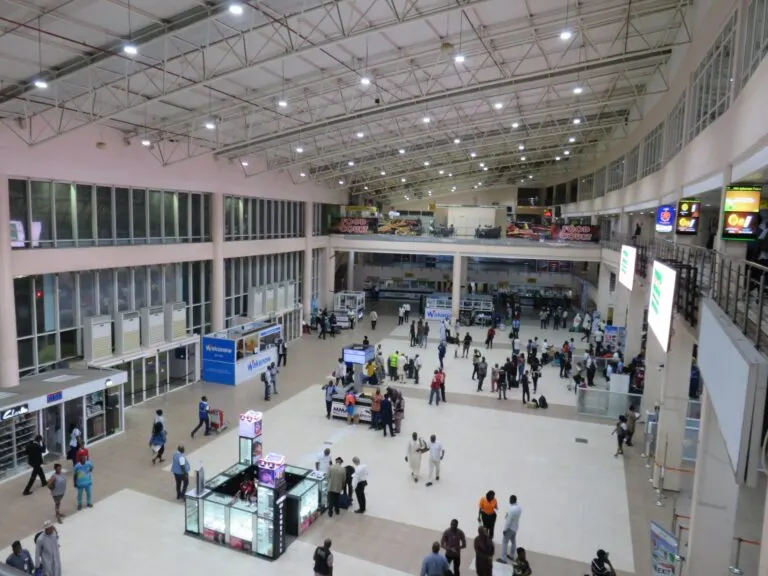 Halal talkMMA2 Lagos Airport Mosque & Chapel (LOS): Passenger GuideMMA2 lists a chapel and mosque on the terminal premises. Ask terminal staff for the current location and…Open guide
 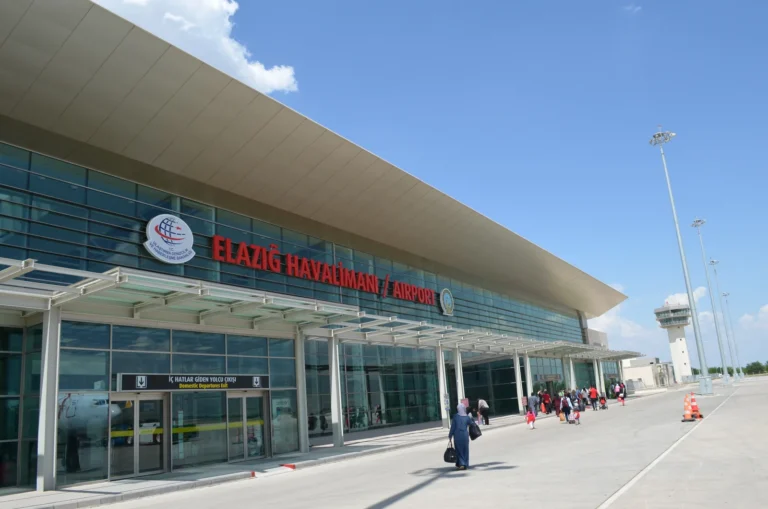 Halal talkElazığ Airport Prayer Room (EZS): Official Mescit, Parking & Access GuideElazığ Airport (EZS) officially lists a mescit in its domestic terminal. The airport operator confirms parking is available…Open guide
 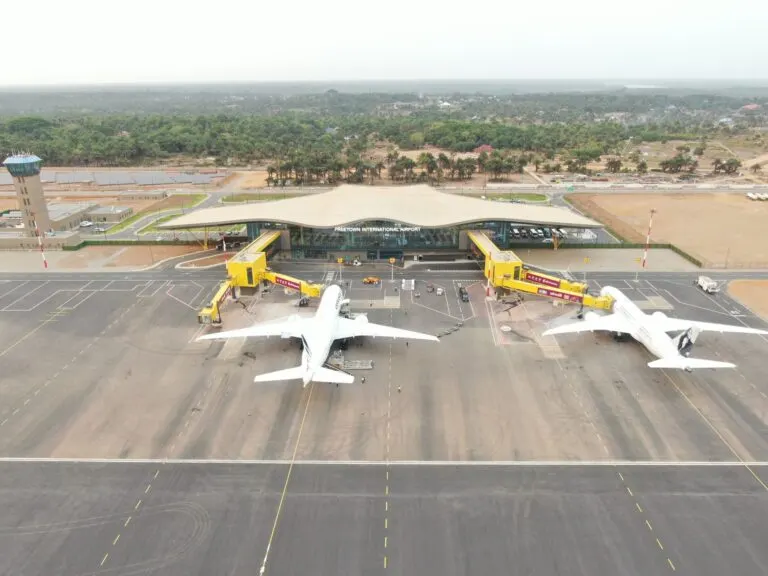 Halal talkFreetown Airport Prayer Rooms (FNA): First Floor GuideFreetown Airport has dedicated Christian and Muslim prayer facilities on the first floor, accessible to all passengers and…Open guide
 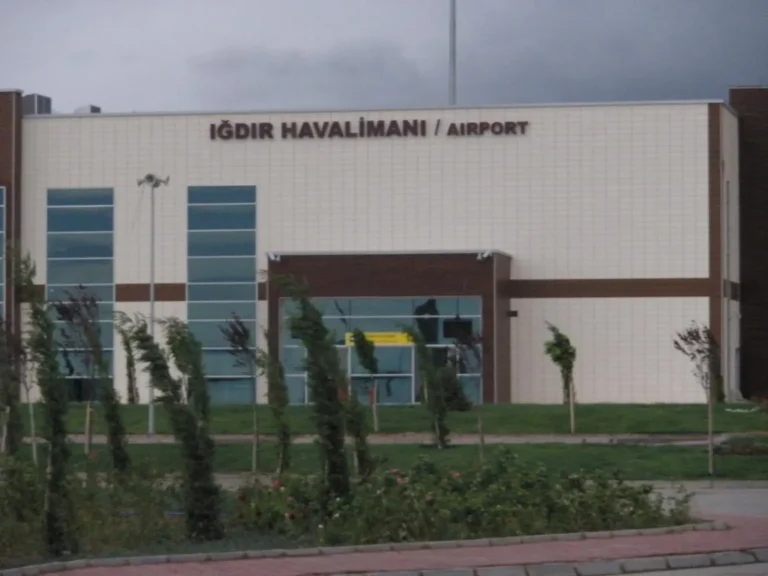 Halal talkIğdır Airport Prayer Rooms (IGD): 2 Mescits, Parking & Terminal GuideIğdır Şehit Bülent Aydın Airport (IGD) officially lists two prayer rooms in its one-storey domestic terminal. The airport…Open guide
 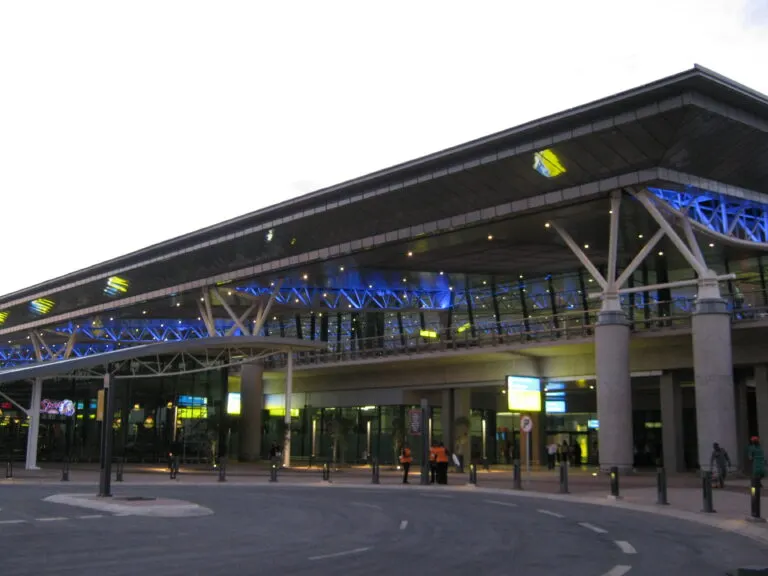 Halal talkKing Shaka Airport Prayer Rooms (DUR): Access GuideKing Shaka Airport has multi-faith prayer rooms for passengers. Ask an airport information desk for the current prayer-room…Open guide
 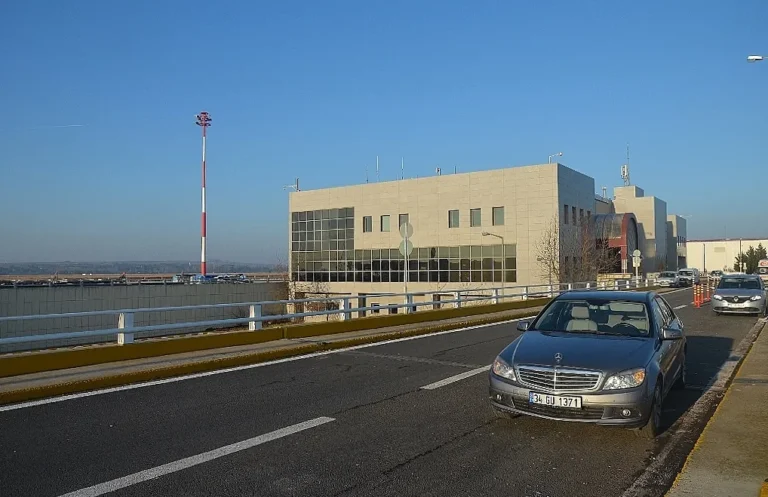 Halal talkÇorlu Atatürk Airport Prayer Rooms (TEQ): Terminal Mescit, Parking & Access GuideTekirdağ Çorlu Atatürk Airport (TEQ) officially confirms that separate women’s and men’s prayer rooms are inside its terminal…Open guide
  Halal talkCape Town Airport Prayer Room (CPT): Request Access GuideCape Town Airport can accommodate prayer-space requests. Ask any ACSA representative for the current prayer-room location and access…Open guide
  Halal talkKars Harakani Airport Prayer Rooms (KSY): 5 Mescits, Parking & Terminal GuideKars Harakani Airport (KSY) officially lists five prayer rooms: three for men and two for women. Domestic and…Open guide
  Halal talkOR Tambo Muslim Prayer Facility (JNB): 24/7 GuideOR Tambo Muslim prayer facility is open 24/7 in the basement parkade closest to Terminal A arrivals, with…Open guide