Muslim Student Life in Korea Complete Guide — University Prayer Rooms Halal Food Scholarships and Daily Life Tips
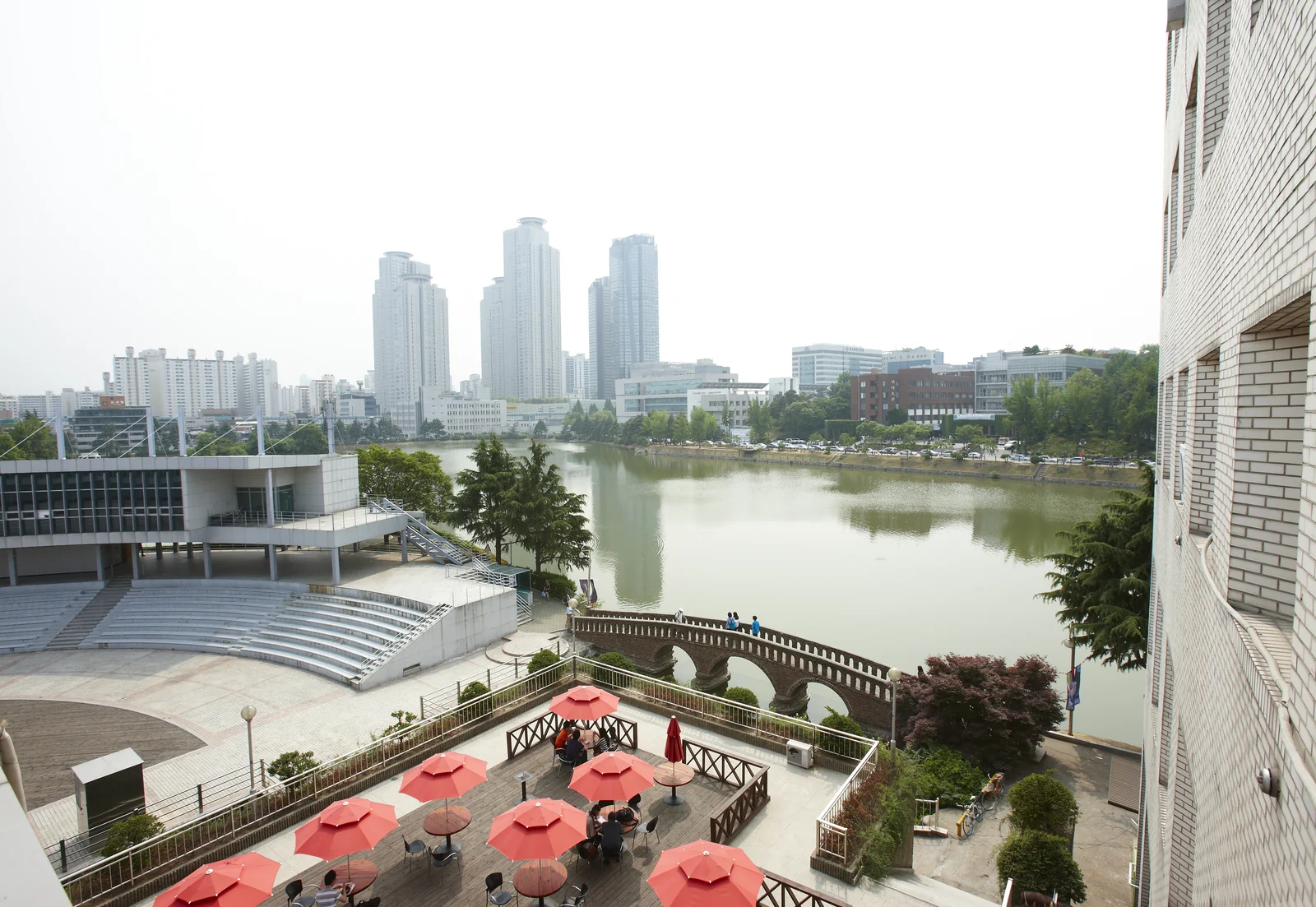
Muslim Student Life in Korea — Complete Guide to University Prayer Rooms Halal Food Scholarships and Surviving Daily Life as a Muslim Student in South Korea
Living as a Muslim student in Korea presents a unique combination of challenges and opportunities that no orientation booklet or university brochure will fully prepare you for. From finding a clean prayer space between lectures on a campus where no one else seems to pray, to navigating a cafeteria menu where every dish contains either pork or alcohol-based seasoning, to spending Ramadan fasting for 13 hours while your classmates eat cup noodles in the library — the daily reality of Muslim student life in South Korea requires resourcefulness, community, and practical knowledge that goes far beyond academic preparation. This all-in-one guide covers everything from university prayer rooms and campus halal food options to scholarship programs, housing tips, mental health resources, and the Korean phrases you will need every single day — drawn from the real experiences of Muslim students who have navigated Korean university life before you.
How Many Muslim Students Study in Korea
South Korea has become an increasingly popular destination for Muslim students from Southeast Asia, the Middle East, Central Asia, and Africa. The Korean government’s Global Korea Scholarship (GKS) program, combined with the growing international reputation of Korean universities, has brought thousands of Muslim students to Korean campuses each year. Major universities including Seoul National University, Yonsei University, Korea University, Hanyang University, KAIST, Sungkyunkwan University, and Ewha Womans University all host significant Muslim student populations. The Korea Muslim Federation estimates that tens of thousands of Muslims currently reside in South Korea, with university students comprising a substantial and growing portion of that community.
The good news is that Korean universities are increasingly aware of their Muslim students’ needs and have responded with prayer rooms, halal food options, and cultural accommodation programs. The not-so-good news is that this infrastructure varies dramatically from campus to campus, and much of the practical knowledge you need to thrive as a Muslim student in Korea exists not in official documents but in the shared experience of the Muslim student community itself.
University Prayer Rooms in Korea — Where and How to Pray on Campus
Several major Korean universities have established dedicated prayer rooms for Muslim students, though the availability, condition, and accessibility of these spaces vary significantly. The following table provides the most current information on prayer rooms at Seoul’s major universities.
Seoul University Prayer Rooms — Complete Directory
| University | Prayer Room Location | Hours | Facilities | How to Access |
|---|---|---|---|---|
| Korea University | Student Union Building, dedicated multi-faith room | 6:00 AM — 10:00 PM | Prayer mats, qibla direction marked, wudu area nearby | Student ID card access — register at Student Affairs office |
| Yonsei University | Student Hall, multi-faith prayer space | 7:00 AM — 9:00 PM | Prayer mats provided, separate area for women | Contact International Student Services for access |
| Hanyang University | International building, dedicated prayer room | 6:00 AM — 10:00 PM | Prayer mats, qibla marked, adjacent wudu facility | International student ID required |
| Seoul National University | Multi-faith room in student center | 8:00 AM — 8:00 PM | Basic prayer space with mats | Register with student services |
| Sungkyunkwan University | International lounge, designated prayer area | 9:00 AM — 6:00 PM | Prayer mats, shoe storage | Request access from international office |
| Ewha Womans University | Student union multi-faith room | 8:00 AM — 7:00 PM | Women-only prayer space | Student ID access |
| KAIST (Daejeon) | Cultural center, prayer room for international students | 24 hours | Prayer mats, wudu facilities, qibla marked | International student card |
| Kyung Hee University | International education building | 8:00 AM — 9:00 PM | Basic prayer area | Contact international student office |
Important note: Prayer room availability can change between semesters due to building renovations, policy changes, or space reallocations. Always confirm the current status of your university’s prayer room by contacting the International Student Services office or the Muslim Student Association on campus before your first day of classes.
What to Do If Your University Has No Prayer Room
If your university does not have a dedicated prayer room, you still have several options for performing your five daily prayers on campus.
- Request a multi-faith space: Many Korean universities are open to establishing prayer rooms if students formally request them through the student affairs office. Gather signatures from Muslim students on campus and submit a written request — universities are increasingly responsive to these proposals.
- Use empty lecture rooms: Between classes, many lecture rooms sit empty for 30 to 60 minutes. Identify rooms that are unoccupied during your prayer times and use the quiet space. Bring a small prayer mat or use a clean section of the floor.
- Library quiet rooms: Some university libraries have individual study rooms or quiet corners that can serve as temporary prayer spaces. The key is finding a clean, private area with enough floor space for prostration.
- Student lounge areas: During off-peak hours, student lounge areas may have quiet corners suitable for prayer. This is less private but is a viable option when better spaces are unavailable.
- Combine prayers when necessary: Islamic jurisprudence permits combining Dhuhr with Asr and Maghrib with Isha prayers when facing genuine difficulty, such as a tight class schedule with no available prayer space between lectures. Consult with your imam or Islamic center for guidance on when this accommodation applies to your specific situation.
▶ Find Korea University Campus on Naver Map
▶ Find Yonsei University Campus on Naver Map
Halal Food Options Near Korean University Campuses
Finding halal food near your university campus is one of the most persistent daily challenges for Muslim students in Korea. While the Itaewon area near Seoul Central Mosque has the highest concentration of halal restaurants, commuting there for every meal is impractical. The following guide covers halal and Muslim-friendly food options near major university campuses.
Halal Food Near Major Seoul University Campuses
| University Area | Halal Restaurant Options | Distance from Campus | Price Range (KRW) |
|---|---|---|---|
| Anam (Korea University) | Several Indian and Pakistani restaurants in Anam-dong serving halal-friendly curry and naan. Indian Restaurant Taj in Anam area. | 5 — 10 min walk | 7,000 — 15,000 |
| Sinchon (Yonsei University) | Limited direct halal options. Best approach: vegetarian restaurants in Sinchon + halal delivery from Itaewon via Baemin app. Indonesian restaurant options in nearby Hongdae area. | 10 — 15 min walk or delivery | 8,000 — 18,000 |
| Wangsimni (Hanyang University) | Indian restaurant options along Wangsimni food street. Halal-friendly seafood restaurants near Wangsimni Station. | 5 — 10 min walk | 8,000 — 15,000 |
| Gwanak (Seoul National University) | Limited options near campus. Best approach: pack lunch from halal grocery stores or cook at home using halal ingredients from Usadan-ro shops. | 20+ min to nearest halal restaurant | 8,000 — 20,000 |
| Myeongdong (Ewha/Hongik area accessible) | Kampungku Malaysian restaurant, various Indian restaurants, halal-friendly seafood options. | 15 — 25 min by subway | 9,000 — 18,000 |
Practical tip from Muslim students: The most cost-effective approach for daily meals is to cook at home using halal ingredients purchased from the halal grocery stores on Usadan-ro near Seoul Central Mosque. A weekly grocery trip to Usadan-ro can provide enough halal meat, rice, lentils, and spices for an entire week of meals at a fraction of the cost of eating out. Budget approximately 50,000 to 80,000 KRW per week for halal groceries for one person.
Campus Cafeteria Strategies for Muslim Students
Korean university cafeterias (known as “sikdang” or “student dining hall”) do not typically offer halal-certified food, but with careful selection, some cafeteria items can be consumed safely.
- Generally safe cafeteria items: Plain steamed rice, vegetable side dishes (banchan) that do not contain visible meat, egg dishes, fish dishes (grilled or fried), fruit, and salads without meat-based dressing.
- Items to avoid: Kimchi jjigae (often made with pork broth), ramen (pork-based seasoning), any dish labeled with 돼지 (dwaeji/pork) or 햄 (haem/ham), and stir-fried dishes where the sauce may contain mirin or cooking wine.
- Ask the cafeteria staff: Use the Korean phrase “이 반찬에 돼지고기 들어가나요?” (Does this side dish contain pork?) — most cafeteria workers will understand and can point you to safe options even if they do not speak English.
- Bring your own lunch: The most reliable strategy for daily campus meals. Cook halal food at home in the morning and bring it to campus in a lunch container. Microwave access is available in most campus convenience stores and student lounges.
▶ Find Halal Grocery Stores on Usadan-ro via Naver Map
Scholarships and Financial Support for Muslim Students in Korea
South Korea offers several scholarship programs that are particularly popular among Muslim students from developing countries. Understanding the available options and application timelines is essential for planning your studies.
Major Scholarship Programs
| Scholarship | Funding | Coverage | Application Period | Eligibility |
|---|---|---|---|---|
| Global Korea Scholarship (GKS) | Korean Government | Full tuition, monthly allowance (approximately 900,000 KRW), round-trip airfare, settlement allowance, Korean language training | February — March annually | Undergraduate and graduate students from designated countries including Indonesia, Malaysia, Pakistan, Bangladesh, Turkey, Egypt, and many others |
| University-specific scholarships | Individual universities | Tuition waiver (30 to 100 percent) based on academic merit | Varies by university | International students with high GPA or TOPIK scores |
| Korean Government Invitation Program | Korean Government | Full tuition, living expenses, airfare, Korean language training, insurance | Varies by year | Students from developing countries invited through partner organizations |
| POSCO TJ Park Foundation Scholarship | POSCO Foundation | Tuition and monthly stipend for graduate students | Check foundation website | Asian graduate students in STEM fields |
| KGSP for Islamic countries | Korean Government | Same as GKS but with designated quotas for students from OIC (Organisation of Islamic Cooperation) member countries | February — March annually | Citizens of OIC member states with strong academic records |
Tips for Muslim Students Applying to Korean Universities
- Apply for GKS early: The Global Korea Scholarship is the most generous and competitive program. Applications typically open in February for the following September intake. Prepare your documents at least three months in advance, as apostille and translation requirements can take significant time.
- TOPIK scores matter: Many Korean universities require or strongly prefer international students with TOPIK (Test of Proficiency in Korean) Level 3 or higher. Even if your program is taught in English, a TOPIK score dramatically improves your scholarship chances and daily life quality.
- Contact the Muslim Student Association: Before arriving, search for your university’s Muslim Student Association (MSA) on Facebook, Instagram, or WhatsApp groups. These groups provide invaluable pre-arrival advice, housing recommendations, and community connections that official university channels cannot offer.
- Halal food budget planning: Budget approximately 300,000 to 500,000 KRW per month for food if cooking at home with halal ingredients, or 500,000 to 800,000 KRW per month if eating out at halal restaurants. Korean university cafeteria meals cost 4,500 to 6,500 KRW but cannot be fully relied upon for halal compliance.
Accommodation Guide for Muslim Students in Korea
Finding suitable accommodation as a Muslim student in Korea involves considerations beyond price and location — you need a kitchen for cooking halal food, a private or semi-private space for prayer, and ideally proximity to either a mosque or halal grocery store.
Accommodation Types and Comparison
| Type | Monthly Cost (KRW) | Kitchen | Prayer Privacy | Best For |
|---|---|---|---|---|
| University dormitory (기숙사) | 400,000 — 800,000 | Shared kitchen on each floor (limited) | Shared room — limited privacy | First-year students, budget priority |
| One-room studio (원룸) | 500,000 — 800,000 | Private kitchenette | Full privacy | Independent students who cook daily |
| Officetel (오피스텔) | 600,000 — 1,200,000 | Private kitchen | Full privacy | Graduate students, students with families |
| Sharehouse ( 쉐어하우스) | 350,000 — 600,000 | Shared kitchen | Private room, shared common areas | Social students, budget-friendly |
| Goshiwon (고시원) | 300,000 — 500,000 | Shared kitchen (very limited) | Very small private room | Ultra-budget option, short-term stay |
Accommodation Tips Specific to Muslim Students
- Prioritize a private kitchen: A one-room studio (원룸) with a kitchenette is the ideal accommodation for Muslim students because it allows you to cook halal meals daily without compromising on ingredients. This single feature saves more money and prevents more halal compliance issues than any other accommodation benefit.
- Deposit system (전세/보증금): Korean rental contracts require a security deposit (보증금) that can range from 1,000,000 to 10,000,000 KRW for a one-room studio. Higher deposits mean lower monthly rent. Some landlords accept foreign students with a Korean guarantor or through university housing services.
- Location strategy: If your university is far from Itaewon (where halal groceries are concentrated), choose accommodation near a subway line that connects to Line 6 (which stops at Itaewon Station). This makes your weekly halal grocery trips faster and cheaper.
- Prayer direction: Use a qibla app to check the qibla direction from your room before signing a lease. The qibla from most Seoul locations points approximately 252 degrees southwest. Having a room where the qibla wall is unobstructed by furniture makes daily prayers more comfortable.
- Roommate considerations: If sharing accommodation with non-Muslim roommates, communicate your dietary and prayer needs early. Most Korean roommates are respectful and accommodating once they understand your requirements. Use the Korean phrases from our language guide to explain your needs clearly.
Daily Routine of a Muslim Student in Korea
Organizing your day around five prayers, halal meals, and a demanding academic schedule requires intentional planning. Here is a realistic daily routine adapted for the Korean university schedule.
Typical Weekday Schedule for Muslim Students in Seoul
- 5:15 AM — Fajr prayer: Wake up, perform wudu (ablution), and pray Fajr at home. In winter, Fajr in Seoul is approximately 5:40 AM; in summer, it shifts to approximately 3:30 AM.
- 6:00 AM — Suhoor / breakfast (during Ramadan) or morning routine: During Ramadan, eat a slow-digesting breakfast before Fajr. Outside Ramadan, use this time for Quran recitation or study before classes.
- 8:00 AM — 12:00 PM — Morning classes: Attend lectures and seminars. Between classes, perform Dhuhr prayer in the campus prayer room or an empty lecture room.
- 12:30 PM — Lunch break: Eat a halal lunch you packed from home, or visit a halal-friendly restaurant near campus. University cafeterias can be used with careful selection (vegetables, rice, fish, eggs).
- 1:00 PM — 5:00 PM — Afternoon classes and study: Attend remaining lectures and spend time in the library or lab. Perform Asr prayer during a break between classes or at 4:00 PM.
- 5:30 PM — Maghrib prayer: Perform Maghrib prayer at the campus prayer room or at home. Maghrib time in Seoul ranges from approximately 5:15 PM (winter) to 8:00 PM (summer).
- 6:30 PM — Dinner and evening study: Cook and eat dinner at home if living in a one-room studio, or eat at a halal restaurant near campus.
- 8:00 PM — Isha prayer: Perform Isha prayer at home or at the Seoul Central Mosque if you are in the Itaewon area. During Ramadan, Isha is followed by Taraweeh prayer.
- 9:00 PM — 11:00 PM — Evening study or social activities: Study in the library, attend Muslim Student Association meetings, or socialize with friends. Korean study culture often extends late into the evening, especially during exam periods.
- 11:00 PM — Sleep: Aim for adequate rest to maintain both academic performance and the physical demands of daily prayers and fasting during Ramadan.
Finding Qibla Direction on Korean University Campuses
Determining the qibla direction is one of the first practical challenges Muslim students face when arriving on a Korean campus. The qibla from Seoul points approximately 252 degrees southwest, but finding this direction inside a concrete university building requires specific steps.
- Campus prayer rooms should have the qibla direction permanently marked on the wall — look for an arrow, a sticker, or a small niche indicating the direction of Mecca.
- In lecture rooms and study spaces, use a qibla compass app on your phone. Stand near a window (for better GPS signal) and use the app to identify which wall or corner of the room faces approximately 252 degrees southwest.
- If your phone compass gives unreliable readings due to the steel and concrete structure of the building, step outside briefly and note the qibla direction relative to a landmark (for example, “the qibla is toward the direction of that blue building to the left of the main gate”). Then use this landmark reference when you return inside.
- For dormitory rooms, determine the qibla direction once using your app in an open area outside the dormitory building, then note which wall of your room faces that direction. Mark it with a small sticker or tape on the floor so you never have to recalculate.
Qibla from Seoul: approximately 252 degrees southwest. This bearing is consistent across all locations within the Seoul metropolitan area, including all major university campuses. From Daejeon (KAIST), the qibla is approximately 253 degrees. From Busan, approximately 253 degrees. The variation across Korean cities is less than 2 degrees, so the Seoul bearing of 252 degrees works reliably anywhere in South Korea.
▶ Find Hanyang University Campus on Naver Map
Mental Health and Community Support for Muslim Students
The emotional and psychological challenges of being a Muslim student in a non-Muslim country are real and should not be underestimated. Homesickness, cultural isolation, language barriers, dietary stress, and the pressure to represent your faith positively can all take a toll on your mental health. Recognizing these challenges and building support systems from the beginning is essential.
Building Your Support Network
- Muslim Student Association (MSA): Most major Korean universities have an active MSA organized by Muslim international students. The MSA organizes Friday prayer groups, iftar gatherings during Ramadan, Islamic study circles, and social events. Joining the MSA in your first week is the single most important step for building community.
- Seoul Central Mosque community: The mosque at 39 Usadan-ro 10-gil, Yongsan-gu hosts regular community events, educational programs, and social gatherings that welcome Muslim students from all universities. Friday Jumu’ah prayer is an excellent opportunity to meet Muslims from other Korean universities and expand your network.
- Online communities: Facebook groups such as “Muslims in Korea,” “Muslim Students in South Korea,” and university-specific WhatsApp and Telegram groups provide real-time advice, halal food recommendations, housing tips, and emotional support from fellow students who understand exactly what you are going through.
- University counseling services: Korean universities offer free counseling services (상담센터) for all enrolled students. While counselors may not be familiar with Islamic-specific challenges, they can provide professional support for academic stress, homesickness, and adjustment difficulties. Some universities in Seoul have English-speaking counselors available.
- Korean language exchange partners: Finding a Korean language exchange partner (언어교환) helps with both language improvement and cultural integration. Many Korean students are genuinely curious about Islam and Muslim culture, and these partnerships often develop into meaningful friendships that reduce feelings of isolation.
Essential Services and Locations for Muslim Students in Seoul
Key Locations Every Muslim Student Should Know
| Service | Location | Details |
|---|---|---|
| Seoul Central Mosque | 39 Usadan-ro 10-gil, Yongsan-gu | Friday prayer, community events, Islamic education |
| Halal grocery stores | Usadan-ro, Hannam-dong | Halal meat, imported spices, dates, Islamic products |
| Islamic bookstore | Usadan-ro near mosque | Quran in multiple languages, prayer supplies, Islamic books |
| Halal restaurants | Usadan-ro 10-gil, Itaewon | EID, Makan, Antique Kebab — 2 to 5 min walk from mosque |
| Korea Muslim Federation | Adjacent to Seoul Central Mosque | Halal certification inquiries, community resources, Islamic guidance |
| Hospital with halal-friendly staff | Yongsan area hospitals near Itaewon | Staff experienced with Muslim patient dietary needs |
Transportation from University Campuses to Seoul Central Mosque
| From | Route | Travel Time | Cost (KRW) |
|---|---|---|---|
| Korea University (Anam) | Bus 110A to Itaewon, or subway Line 6 direct | 30 — 40 min | 1,250 — 1,450 |
| Yonsei University (Sinchon) | Line 2 to Samgakji, transfer Line 6 to Itaewon | 25 — 35 min | 1,250 |
| Hanyang University (Wangsimni) | Line 6 direct to Itaewon | 15 — 20 min | 1,250 |
| Seoul National University (Gwanak) | Line 2 to Samgakji, transfer Line 6 to Itaewon | 45 — 55 min | 1,250 |
| KAIST (Daejeon) | KTX to Seoul Station (50 min), then Line 6 to Itaewon (15 min) | 70 — 80 min total | 15,000 — 25,000 (KTX + subway) |
▶ Find Seoul Central Mosque on Naver Map
Ramadan as a Student in Korea — Surviving the Academic-Fasting Balance
Ramadan as a student in Korea presents the most intense intersection of faith and academics. Fasting hours during Ramadan in Seoul range from approximately 11.5 to 13.5 hours depending on whether Ramadan falls in winter or spring. The Ramadan 2026 period (approximately February 18 to March 19) falls during the winter-to-spring transition, resulting in moderate fasting hours of approximately 12 to 13 hours per day.
Academic Tips for Ramadan
- Communicate with professors early: Email your professors at least two weeks before Ramadan begins explaining that you will be fasting and may need brief breaks during class for prayer. Most Korean professors are supportive when informed in advance.
- Shift study to post-Iftar hours: Your most productive study time during Ramadan is after Iftar and Taraweeh prayer, when you are energized from eating and spiritually renewed. Plan major assignments and exam preparation for the 9 PM to midnight window.
- Hydration strategy: Drink at least 2 liters of water between Iftar and Suhoor. Seoul’s dry winter air during February and March increases dehydration risk. Carry a water bottle to Suhoor and finish it before Fajr.
- Suhoor meal planning: Prepare Suhoor the night before to minimize early morning cooking stress. Recommended Suhoor foods that sustain energy: oatmeal with dates and honey, whole grain bread with eggs, yogurt with nuts, and at least 500ml of water.
- Exam scheduling conflicts: If an exam is scheduled during Ramadan, perform well by eating a strong Suhoor, staying hydrated, and taking brief mental breaks during the exam if needed. Korean universities generally accommodate religious scheduling conflicts when requested through the international student office.
- Communal Iftar at Seoul Central Mosque: The mosque hosts free communal iftar every evening during Ramadan in the basement cultural center, serving 200 to 300 people per night. This is an excellent opportunity to break fast with the broader Muslim community and combat the isolation that many Muslim students feel during Ramadan in Korea.
Legal and Visa Information for Muslim Students
Student Visa Types
| Visa Type | Purpose | Key Requirements |
|---|---|---|
| D-2 (Student Visa) | Degree programs at Korean universities | University admission letter, proof of financial support (approximately 20,000 USD in bank account), valid passport, health certificate |
| D-4 (General Training Visa) | Korean language programs at university-affiliated language institutes | Language program enrollment letter, proof of financial support, valid passport |
| D-2-7 (GKS Scholarship Visa) | Global Korea Scholarship recipients | GKS award letter, valid passport — simplified financial requirements |
Key Legal Information for Muslim Students
- Work permit: D-2 visa holders can apply for a part-time work permit (S-3) allowing up to 25 hours per week of part-time work during the semester and unlimited hours during vacation. Apply through the immigration office (출입국사무소).
- Health insurance: All international students in Korea are required to have National Health Insurance (국민건강보험). Monthly premiums are approximately 60,000 to 70,000 KRW and cover most medical expenses. Some university scholarship programs include health insurance in their coverage.
- Alien registration: International students staying more than 90 days must register at the immigration office and obtain an Alien Registration Card (ARC) within 90 days of arrival. This card is essential for opening a Korean bank account, getting a phone plan, and accessing university services.
- Hijab and religious dress: Korean law protects freedom of religion, and wearing hijab is fully legal and permitted in all public spaces, universities, and workplaces. While you may receive curious looks from some Koreans (particularly outside Seoul), wearing hijab is not restricted in any way. Korean anti-discrimination norms generally ensure that university staff and students are respectful of religious expression.
Essential Korean Phrases for Daily Muslim Student Life
Beyond the basic traveler phrases covered in our Korean language guide, Muslim students living in Korea long-term need additional vocabulary for academic and daily life situations.
- “기도실이 어디에요?” (Gi-do-sil-i eo-di-ye-yo?) — Where is the prayer room?
- “교수님, 저는 무슬림 학생입니다. 라마단 기간 동안 금식하고 있습니다.” (Gyo-su-nim, jeo-neun mu-seul-lim hak-saeng-im-ni-da. Ra-ma-dan gi-gan dong-an geum-sik-ha-go it-seum-ni-da.) — Professor, I am a Muslim student. I am fasting during Ramadan.
- “이 학식 메뉴에 돼지고기 없는 메뉴 있나요?” (I hak-sik me-nyu-e dwaeji-gogi eob-neun me-nyu in-na-yo?) — Is there a menu item in the cafeteria without pork?
- “보증금은 얼마인가요?” (Bo-jeung-geum-eun eol-ma-in-ga-yo?) — How much is the security deposit?
- “월세에 관리비 포함인가요?” (Wol-se-e gwan-li-bi po-ham-in-ga-yo?) — Is the management fee included in the monthly rent?
- “주방이 있나요?” (Ju-bang-i in-na-yo?) — Is there a kitchen?
Frequently Asked Questions About Muslim Student Life in Korea
Is Korea safe for Muslim students?
South Korea is one of the safest countries in the world in terms of crime rates, and Muslim students face no systemic discrimination or hostility. Korean society is generally tolerant and curious about different cultures. While some Korean people may ask direct questions about Islam, hijab, or halal food that might feel intrusive, these questions typically come from genuine curiosity rather than hostility. Instances of anti-Muslim discrimination in Korean universities are extremely rare. The most common challenge is not safety but rather the practical difficulty of finding halal food and prayer spaces, which this guide addresses in detail.
Can I wear hijab at a Korean university?
Yes. Korean law protects religious freedom, and there are no restrictions on wearing hijab at any Korean university. Several hundred Muslim women study at Korean universities while wearing hijab, and university dress codes do not prohibit religious head coverings. Some Muslim students report that Korean classmates and professors are curious about the hijab and may ask questions, but this curiosity is almost always respectful. University professors generally accommodate religious dress without any issues.
How do I find other Muslim students at my Korean university?
Search for your university’s Muslim Student Association (MSA) on Facebook, Instagram, or KakaoTalk (Korea’s primary messaging app). Major universities like Korea University, Yonsei, Hanyang, and SNU have active MSAs with group chats and regular events. The Korea Muslim Federation website also lists contact information for Muslim student groups at various universities. Additionally, attending Friday prayer at the Seoul Central Mosque and introducing yourself to other students is one of the most effective ways to build your Muslim network in Korea.
What should I do during Eid holidays when there are no official days off from Korean universities?
Eid al-Fitr and Eid al-Adha are not official public holidays in South Korea, which means universities hold classes on these days. Most Muslim students handle this by attending the early morning Eid prayer at Seoul Central Mosque (typically 8:00 AM) and then heading to campus for afternoon classes. If you want the full day off, inform your professors in advance and request an excused absence — most Korean professors are understanding when the religious significance is explained. Some Muslim students take the day off as a personal choice and catch up on missed material independently.
Can I work part-time as a Muslim student in Korea?
Yes. D-2 student visa holders can apply for a part-time work permit (S-3) from the immigration office. With this permit, you can work up to 25 hours per week during the semester and unlimited hours during semester breaks. Common part-time jobs for international students include teaching English or other foreign languages, working at international companies, translation work, and campus assistant positions. Finding halal-compliant part-time work (avoiding restaurants that serve pork or bars that serve alcohol) may limit some options, but office jobs, tutoring, and online freelance work are fully halal-compatible.
How much money do I need per month as a Muslim student in Seoul?
A realistic monthly budget for a Muslim student in Seoul (excluding rent) is approximately 600,000 to 1,000,000 KRW. This includes food (300,000 to 500,000 KRW for cooking at home with halal ingredients), transportation (50,000 to 100,000 KRW with T-money card), phone plan (30,000 to 50,000 KRW), personal expenses (100,000 to 200,000 KRW), and halal groceries from Usadan-ro (included in food budget). Adding rent of 500,000 to 800,000 KRW for a one-room studio, the total monthly cost of living as a Muslim student in Seoul is approximately 1,100,000 to 1,800,000 KRW. GKS scholarship recipients receive approximately 900,000 KRW monthly stipend plus tuition coverage, which is sufficient for a modest student lifestyle.
Where can I buy halal meat for cooking at home near my university?
The most reliable source of halal meat in Seoul is the halal butcher shops on Usadan-ro in Hannam-dong near the Seoul Central Mosque. These shops sell halal-certified lamb, beef, and chicken imported from verified halal suppliers. Prices are: halal chicken from 6,000 KRW per kg, halal beef from 18,000 KRW per kg, halal lamb from 22,000 KRW per kg. For students who cannot visit Usadan-ro weekly, buying in bulk and freezing portions is the most practical approach. Some halal meat shops also offer delivery service within the Seoul metropolitan area — inquire directly at the shop during your first visit.
Support This Muslim Student Guide
This guide is created as a free resource to help Muslim students navigate daily life in South Korea. If this guide helped you prepare for your studies or made your life in Korea easier, consider supporting the project so we can continue creating practical resources for Muslims in Korea.
▶ Support Muslim Qibla on Ko-fi — Help Us Create More Guides for Muslim Students in Korea
Studying in Korea as a Muslim is not the easiest path you could have chosen, but it may be one of the most rewarding. You will graduate not only with a degree from a world-class Korean university but also with the resilience of someone who prayed five times a day in a country where no one else around you was praying, who found halal food when the cafeteria served pork at every station, who fasted through 13-hour Korean winter days while writing thesis papers, and who built a community of Muslim brothers and sisters from dozens of countries who all found each other because they shared the same struggle. The mosque on the hill in Itaewon will always be your anchor. The prayer room on your campus — whether it exists today or you help create it — will become your sanctuary. And the qibla direction you face every day, that steady 252 degrees southwest from anywhere in Seoul, will connect you to Mecca and to every other Muslim student in Korea who turns to pray at the same angle, in the same moment, with the same devotion.
#MuslimStudentKorea #StudyingInKoreaAsMuslim #KoreanUniversityPrayerRoom #HalalFoodForStudentsKorea #MuslimInternationalStudentKorea #GKSScholarshipMuslim #KoreanUniversityForMuslims #MuslimLifeInSeoul #SeoulCentralMosqueStudent #HalalFoodNearKoreanUniversity #MuslimStudentVisaKorea #RamadanAsStudentKorea #KoreanCampusHalal #MuslimStudentAssociationKorea #QiblaOnKoreanCampus #MuslimDormitoryKorea #KoreaUniversityMuslimStudent #YonseiMuslimStudent #HanyangUniversityMuslim #MuslimStudentDailyLifeKorea
Explore Korea by topic
Choose a focused next step for Korea travel, halal food, prayer planning, or transport.
Explore more published guides
Keep planning with more published Muslim travel guides. New cards appear as you reach the end, or choose to load the next set.
 Halal talkAlbany Airport Interfaith Prayer Room: Muslim Traveler GuideRepresentative image: Interior of Albany International Airport terminal. It does not show the Interfaith Prayer Room. Photo by…Open guide
 Halal talkLangkawi International Airport Prayer Rooms (LGK): Surau, Parking & GuideLangkawi International Airport (LGK) officially provides Muslim Prayer Rooms in the Public Concourse and Domestic Departure Hall. The…Open guide
 Halal talkBrisbane Airport Prayer Rooms: Muslim Traveler GuideRepresentative image: Brisbane Airport Domestic Terminal. It does not show the Prayer Room. Photo by King Eliot, CC0…Open guide
 Halal talkKuching International Airport Prayer Rooms (KCH): Levels 1–3, Parking & GuideKuching International Airport (KCH) officially provides Muslim Prayer Rooms at Level 1 East and West Wing, Level 2…Open guide
 Halal talkNarita Airport Prayer Rooms: Muslim Traveler GuideRepresentative image: Narita International Airport Terminal 2 departure lobby. It does not show a Prayer Room. Photo by…Open guide
 Halal talkKota Kinabalu International Airport Prayer Rooms (BKI): Gates 2 & 9, Parking & GuideKota Kinabalu International Airport (BKI) officially provides Muslim Prayer Rooms at Level 1 Public Concourse, Level 2 Departure…Open guide
 Halal talkDenver Airport Interfaith Chapel and Masjid: Muslim Prayer GuideRepresentative image: Jeppesen Terminal at Denver International Airport. It does not show the Interfaith Chapel or Masjid. Photo…Open guide
 Halal talkPenang International Airport Prayer Rooms (PEN): Surau, Parking & Arrival GuidePenang International Airport (PEN) officially provides Muslim Prayer Rooms in Domestic Departure, International Departure, the VIP Room and…Open guide
 Halal talkPhoenix Sky Harbor Compassion Corner Chapel: Muslim Prayer GuideRepresentative image: Phoenix Sky Harbor International Airport Terminal 4. It does not show the Compassion Corner Chapel. Photo…Open guide